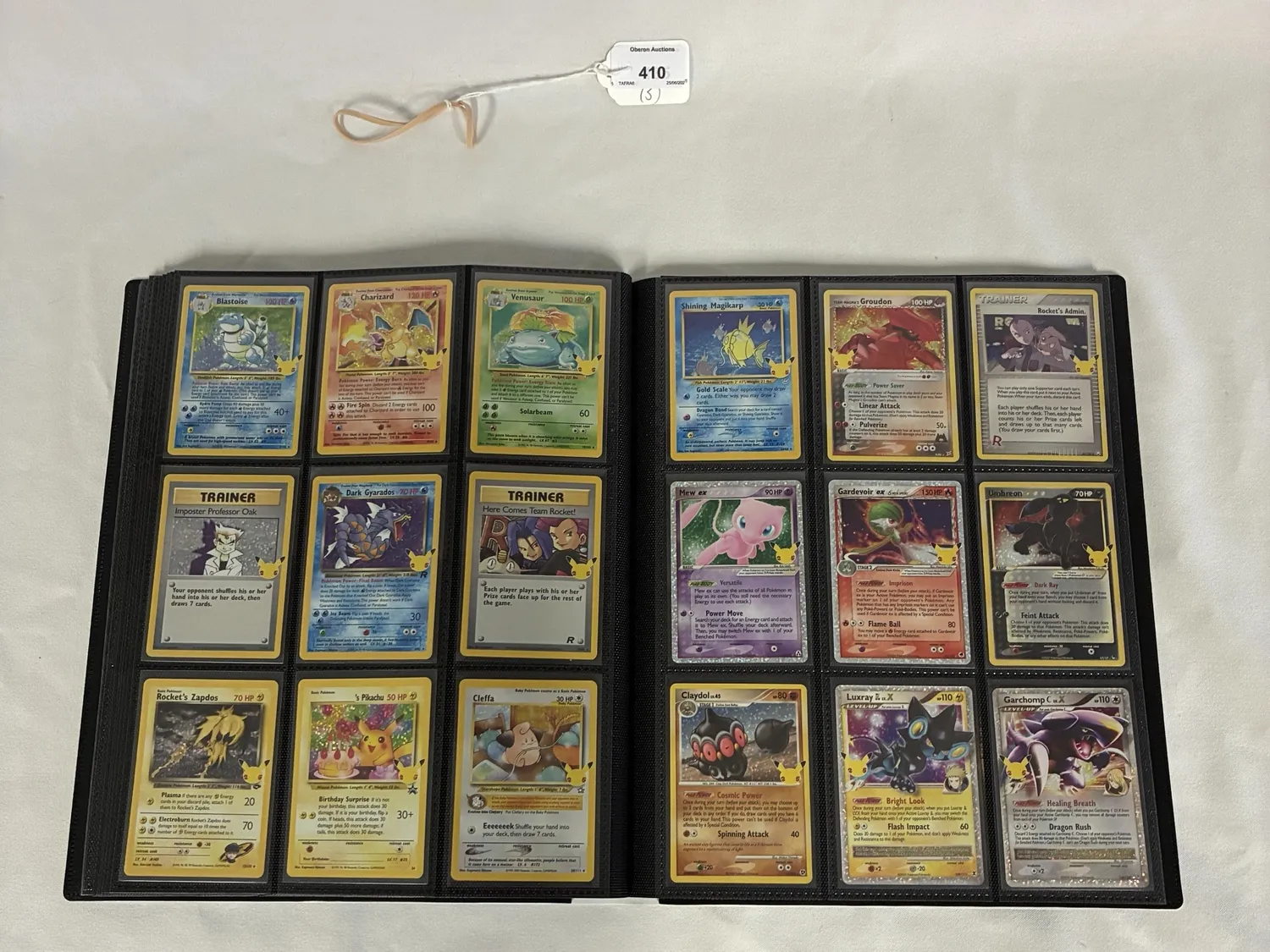
Pokémon card rarity determines a card's scarcity, value, and collectibility. Every card in the TCG has a rarity symbol printed in its lower right corner that signals how hard it is to find. Understanding these symbols is essential if you're building a collection, trading with others, or just curious about why some cards cost more than others. Ready to level up your collection? Click now and visit our website to discover how the CardTrack Pokémon tracker makes managing, tracking, and growing your Pokémon cards easier than ever!
RARITY SYMBOLS
Each Pokémon card displays a unique rarity indicator using symbols and colors. Common cards show a black circle or dot. Uncommons display a diamond shape, while rares feature a star symbol. These basic markers help collectors immediately identify what they've pulled from a booster pack.
The symbol system varies slightly between card sets and generations, but the general hierarchy remains consistent. Pokémon's designers intentionally made these symbols visually distinct so collectors can sort cards without needing a reference guide. Learning to spot these symbols takes just a few minutes of practice.
HOLO AND REVERSE HOLO
Holo rares feature holographic printing that covers the entire card, creating a shimmering effect across the artwork and background. This finish is one of the most recognizable aspects of valuable Pokémon cards. The holographic texture catches light and makes the card stand out in any collection.
Reverse holo is essentially the opposite. The card background features the holographic pattern while the artwork remains matte. Reverse holos typically appear as non-rare cards in booster packs, offering collectors a premium version of common and uncommon cards without the rarity designation. Both finishes appeal to collectors for different reasons.
ULTRA AND SECRET RARES
Ultra rares are among the highest rarity cards available in most modern sets. These cards feature special printing techniques, alternate artwork, or elevated rarity symbols that distinguish them from standard rares. Full art cards, alt art cards, and gold-bordered cards all fall into this category.
Secret rares push rarity even further. These cards typically have numbers that exceed the official set count (like card 103 in a 102-card set), making them bonus pulls found only in specific booster boxes. Secret rares command premium prices and are highly sought by serious collectors.
PROMOS
Promotional cards are released outside standard booster sets through special products, tournaments, or partnerships. Promos aren't limited to a single set numbering system and often feature unique artwork or finishes unavailable in regular booster packs. Many collectors specifically hunt for promos to complete their collections.
Some promos are readily available at retail stores, while others are harder to find. Tournament promos and event-exclusive cards become increasingly rare over time. Understanding how promos fit into your collection strategy helps you prioritize which cards to pursue.
WHY RARITY MATTERS
Rarity influences card value across the entire TCG market. Scarcer cards cost more, attract serious collectors, and hold value better long-term. If you're investing in cards or simply want to understand what you're collecting, rarity is the first factor to consider.
Rarity also affects gameplay in the competitive scene. Some competitive players seek specific rare cards because they're viable in tournament decks. Others collect solely for the satisfaction of owning rare or hard-to-find cards. Your personal collecting goals will determine how much weight you place on rarity.
BUILDING YOUR COLLECTION
Knowing rarity symbols helps you make informed purchasing decisions. If you're tracking your collection and want to stay organized, tools like CardTrack Pokémon tracker make it simple to log cards by rarity, set, and condition. This prevents duplicate purchases and helps you identify gaps in your collection at a glance.
Start by learning the basic symbols in your favorite set. As you gain experience, recognizing holo patterns and special finishes becomes second nature. Over time, you'll develop an instinct for what makes a card valuable and collectible.