Seattle isn't just a cultural hub—it's a rising force in supply chain logistics. Positioned near major Pacific ports, cross-border rail, and highway networks, it offers critical infrastructure for U.S. importers and regional distributors alike.
For businesses moving goods through the West Coast, especially from Asia-Pacific trade lanes, Seattle warehousing services provide the flexibility and reach needed to compete. And when paired with smart transloading and warehousing services, the region becomes not just a waypoint—but a strategic logistics launchpad.
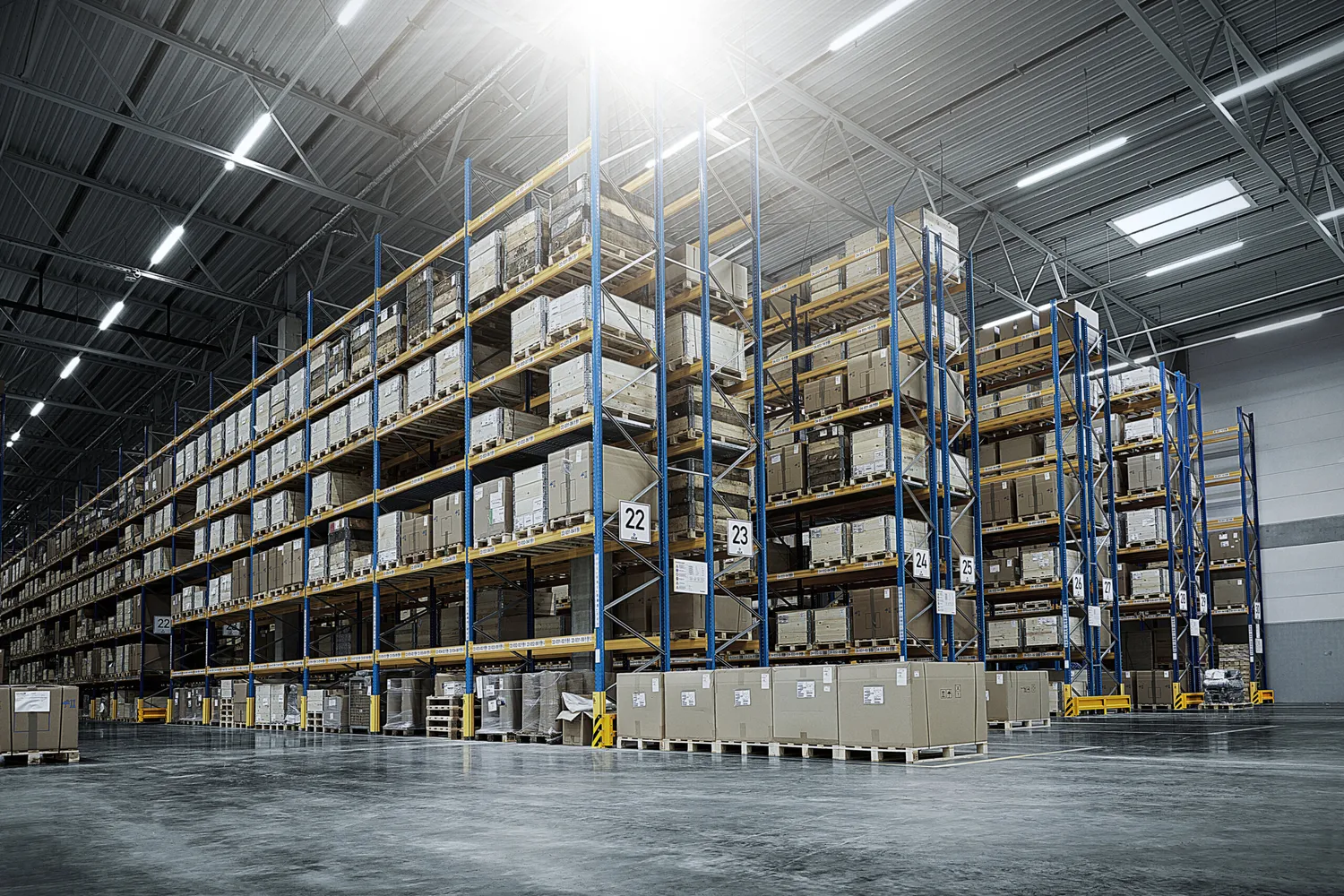
Why Seattle? The Gateway Advantage
Seattle’s geographic location gives shippers a significant edge:
- Proximity to Port of Seattle and Tacoma (NWSA) – Ideal for inbound ocean freight
- Efficient access to I-5, I-90, and rail corridors – Connecting the West Coast and Midwest
- Shorter sailing time from Asia compared to Southern ports
- Less congestion than L.A./Long Beach terminals
These advantages translate into faster turnaround, reduced inland freight costs, and improved delivery performance—especially for time-sensitive or high-value cargo.
The Role of Warehousing in Supply Chain Agility
Once shipments land at the port, businesses must decide how and where inventory is staged before reaching final destinations. That’s where Seattle warehousing services come in.
Modern warehousing isn’t just storage—it’s dynamic, integrated logistics. Key functions often include:
- Inventory management and visibility
- Order fulfillment and pick/pack
- Returns processing
- Kitting, labeling, and quality checks
- Integration with WMS or ERP systems
For eCommerce brands, industrial distributors, and retail suppliers alike, a warehouse near port allows for better stock positioning and shorter lead times to Western states.
Transloading: Speed Meets Flexibility
Transloading—the process of transferring goods from one mode of transport to another (e.g., ocean container to domestic truckload)—is a growing priority, especially for importers using Seattle as a port of entry.
Why transload? Because it helps:
- Break down full containers into mixed shipments for regional delivery
- Move goods directly from port to truck (skipping long-term storage)
- Save money by optimizing trailer space vs. container limits
- Get products into market faster during high-demand periods
Transloading combined with warehousing creates the flexibility to respond to unpredictable demand, last-minute changes, or retail-specific delivery requirements.
Who Needs Transloading and Warehousing Services?
If your supply chain involves:
- Imports via the Port of Seattle or Tacoma
- Retail or wholesale distribution to the Pacific Northwest
- eCommerce fulfillment across West Coast states
- Peak season or project-based inventory surges
- Time-sensitive goods like apparel, electronics, or perishables
…then combining Seattle warehousing services with transloading is more than smart—it’s strategic.
You get the ability to receive, sort, repack, and dispatch shipments—all from a single facility, close to your entry point.
What to Look for in a Seattle-Based Provider
When choosing a warehousing or transloading partner in Seattle, consider:
- Location: Is the facility within reasonable distance from ports and highways?
- Capabilities: Do they offer short- and long-term storage, cross-docking, or fulfillment?
- Systems: Can they integrate with your platforms for real-time visibility?
- Scalability: Can they flex during peak volumes or promotions?
- Experience: Do they understand both international freight and U.S. retail/eCommerce requirements?
The right partner doesn’t just receive your goods—they help keep your entire logistics network moving.
Final Thoughts
In today’s fast-paced supply chain environment, warehousing isn’t just about storing goods—it’s about unlocking speed, control, and adaptability.
Seattle warehousing services, when integrated with effective transloading and warehousing services, give businesses a true West Coast logistics advantage—without the bottlenecks of larger, overburdened markets.
If you’re shipping into the U.S. through the Pacific Northwest, Seattle might just be your most efficient first stop—and your smartest strategic move.