Injection molding and extrusion operations depend heavily on the performance of the screw and barrel assembly. When this vital component experiences premature wear, the consequences are immediate and costly—defective parts, production stoppages, and expensive replacements. For plant managers and maintenance engineers, maximizing the service life of these components is a top priority.
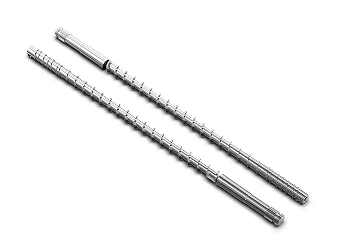
The key to achieving extended screw life lies in three critical factors: selecting the right material, ensuring precise manufacturing, and implementing proper maintenance practices. This is where partnering with a reputable nitrided screw manufacturer makes a tangible difference. This article draws on industry expertise to provide practical guidance on maximizing nitrided screw performance and longevity, while exploring what sets quality manufacturers apart.
The Value of Nitrided Screws in Plastic Processing
Nitrided screws have earned their place as the preferred choice for a vast majority of plastic processing applications. Their popularity stems from an optimal balance of performance characteristics:
- Wear Resistance: The nitrided surface layer provides robust protection against abrasive wear from polymer melts and fillers.
- Corrosion Protection: The hardened surface resists chemical attack from corrosive polymers and additives.
- Cost-Effectiveness: Nitrided screws deliver reliable performance at a fraction of the cost of bimetallic alternatives.
- Thermal Efficiency: Excellent thermal conductivity ensures uniform heat transfer and consistent melt quality.
These attributes make nitrided screws ideal for processing a wide range of unfilled and lightly filled thermoplastics, including PP, PE, PS, ABS, and PA.
Understanding the Nitriding Process and Its Impact on Performance
To appreciate what makes a high-quality nitrided screw, it helps to understand the nitriding process itself. Gas nitriding is a surface hardening treatment that diffuses nitrogen into the steel surface at temperatures between 490°C and 550°C. This relatively low temperature offers a significant advantage: minimal distortion, preserving the dimensional accuracy of the screw.
The process typically involves:
- Surface Preparation: Thorough cleaning to ensure uniform nitrogen diffusion.
- Furnace Loading: Placing screws in a controlled atmosphere furnace.
- Nitriding Cycle: Exposing components to ammonia gas for up to 72 hours.
- Controlled Cooling: Slow cooling to prevent thermal stress and distortion.
- Quality Verification: Testing hardness, case depth, and dimensional accuracy.
A reputable nitrided screw manufacturer maintains strict control over each of these stages, ensuring consistent quality batch after batch.
Material Selection: The Foundation of Screw Quality
The base material of a nitrided screw fundamentally determines its performance potential. Industry-leading manufacturers use EN41B—a chromium-aluminum-molybdenum alloy steel specifically developed for nitriding applications. This material offers several advantages:
- Excellent Hardenability: Responds predictably to the nitriding process.
- Core Toughness: Maintains strength and ductility beneath the hardened surface.
- Dimensional Stability: Resists distortion during heat treatment.
The combination of EN41B material and a well-controlled nitriding process yields a surface hardness of 65–68 HRC with a case depth of 0.3–0.6 mm. This provides the ideal balance of wear resistance and toughness for most plastic processing applications.
Quality Benchmarks for Nitrided Screws
When evaluating a nitrided screw exporter or manufacturer, these quality benchmarks should guide your assessment:
Hardness Verification
Surface hardness should consistently measure 65–68 HRC. Inconsistent hardness indicates poor process control, leading to premature wear in softer areas.
Case Depth Consistency
The nitrided layer should be uniform across the screw surface. Variations in case depth can lead to uneven wear patterns and reduced service life.
Dimensional Accuracy
Precision machining ensures the screw meets exact specifications. Deviations in flight geometry or overall dimensions affect melt quality and processing efficiency.
Surface Finish
A smooth surface finish reduces material adhesion and improves melt flow. Quality manufacturers achieve a surface finish of Ra 0.8–1.6 µm through precision grinding and polishing.
Common Causes of Screw Wear and How to Address Them
Understanding the mechanisms of screw wear helps plant operators take preventive measures:
Abrasive Wear
Cause: Processing polymers with abrasive fillers such as glass fibers, calcium carbonate, or talc. The abrasive particles erode the screw surface over time.
Solution: For highly abrasive applications, consider bimetallic screws. For lighter fillers, ensure your nitrided screw manufacturer achieves maximum surface hardness (68 HRC) and appropriate case depth.
Corrosive Wear
Cause: Processing polymers that release corrosive byproducts, such as PVC, fluoropolymers, or flame-retardant materials. Chemical attack degrades the screw surface.
Solution: The nitrided layer provides corrosion resistance, but severe applications may require HVOF-coated or bimetallic screws. Regular inspection helps detect corrosion early.
Adhesive Wear
Cause: Material adhesion to the screw surface, leading to localized stress and eventual surface degradation. This occurs when processing sticky polymers or operating at suboptimal temperatures.
Solution: Maintaining proper temperature profiles and using screws with appropriate flight geometry reduces material adhesion.
Fatigue Wear
Cause: Cyclic stress from repeated starts, stops, and variations in processing conditions. Over time, this can lead to surface cracking and flaking.
Solution: Proper screw design, including appropriate root radius, minimizes stress concentration points.
Maintenance Practices That Extend Screw Life
Implementing proactive maintenance procedures significantly extends nitrided screw service life, which typically ranges from 8,000 to 12,000 production hours:
Regular Inspection
Schedule periodic inspections to detect early signs of wear, scoring, or corrosion. Early detection allows for timely refurbishment or replacement, preventing catastrophic failure.
Proper Cleaning
Between production runs, thoroughly clean screws to remove residual polymer. This prevents material buildup that can cause localized overheating and accelerated wear.
Lubrication
Ensure proper lubrication of drive components and thrust bearings. This prevents excessive mechanical stress on the screw.
Operating Conditions
Maintain recommended temperature profiles and screw speeds. Operating outside design parameters accelerates wear and reduces service life.
The Custom Manufacturing Advantage
One of the most significant factors in screw longevity is whether the component is precisely matched to your machinery and application. This is where custom manufacturing offers distinct advantages over off-the-shelf solutions.
A manufacturer capable of producing custom-made spare parts according to customer specifications can:
- Match Exact Dimensions: Ensure perfect fit with your existing barrel and drive system.
- Optimize Flight Geometry: Design flights and compression ratios specific to your material and processing requirements.
- Accommodate Unique Requirements: Address specific challenges such as temperature zones, venting needs, or special mounting configurations.
Shreeji Corporation exemplifies this capability, manufacturing custom nitrided screws in diameters from 14mm to 200mm and lengths up to 6 meters, based on precise machinery specifications.
Quality Assurance Throughout the Manufacturing Process
What distinguishes a trusted nitrided screw manufacturer is a comprehensive approach to quality assurance. This involves verification at every production stage:
Incoming Material Inspection
Raw material certification verifies chemical composition and ensures EN41B specifications are met.
In-Process Inspection
Critical dimensions are checked during machining to ensure accuracy before heat treatment.
Post-Nitriding Verification
Hardness testing, case depth measurement, and dimensional inspection confirm the nitriding process achieved the required specifications.
Final Inspection
A comprehensive quality check ensures the finished product meets all customer requirements before packaging and shipment.
Shreeji Corporation's complete in-house capabilities—including design, manufacturing, machining, quality control, testing, and warehousing—ensure rigorous quality control at every stage.
Global Sourcing and Export Considerations
For businesses sourcing components internationally, working with an established nitrided screw exporter offers advantages beyond product quality:
- Logistics Expertise: Experienced exporters manage shipping, customs documentation, and delivery logistics.
- Consistent Quality: Global operations require robust quality systems that deliver consistent products across orders.
- Technical Support: Manufacturers with international experience understand diverse regulatory requirements and application needs.
Shreeji Corporation serves customers across India and international markets, including the Gulf countries, South Africa, and the USA, demonstrating its capability as a reliable global supplier.
FAQs
1. What service life can I expect from a nitrided screw?
With proper maintenance and suitable processing conditions, a high-quality nitrided screw from a reputable nitrided screw manufacturer typically delivers 8,000 to 12,000 production hours. Actual service life depends on material processed, operating conditions, and maintenance practices.
2. How do I know when my nitrided screw needs replacement?
Signs indicating replacement include reduced output, inconsistent melt quality, increased power consumption, visible wear or scoring on the screw surface, and decreased product quality. Regular inspection helps identify these indicators early.
3. Can nitrided screws be refurbished instead of replaced?
Yes, worn nitrided screws can often be refurbished through grinding to restore dimensions and re-nitriding to restore surface hardness. This is cost-effective when the core dimensions remain within acceptable tolerances and the screw is not excessively worn.
4. What plastics are nitrided screws suitable for processing?
Nitrided screws are ideal for unfilled and lightly filled thermoplastics including polypropylene (PP), polyethylene (PE), polystyrene (PS), ABS, and polyamide (PA). For highly abrasive materials like glass-filled compounds, bimetallic screws are recommended.
5. Why is custom manufacturing important for nitrided screws?
Custom manufacturing ensures the screw precisely matches your machinery specifications, optimizing performance and service life. A manufacturer like Shreeji Corporation offers custom solutions tailored to specific diameters, lengths, and flight geometries for your application.
Conclusion
Maximizing the service life of nitrided screws requires a holistic approach—selecting quality materials, partnering with a skilled manufacturer, implementing proper maintenance, and ensuring precise fit through custom manufacturing. When these elements align, plastic processors achieve extended production runs, reduced downtime, and consistent product quality.
As an experienced nitrided screw manufacturer with comprehensive in-house capabilities, Shreeji Corporation delivers the precision engineering and quality assurance that industrial operations demand. The company's ability to manufacture custom solutions according to exact specifications, combined with its global export reach, makes it a reliable partner for plastic processors worldwide. If your operations rely on nitrided screws, engaging with a manufacturer that prioritizes quality, precision, and customer service is the key to long-term success and operational efficiency.