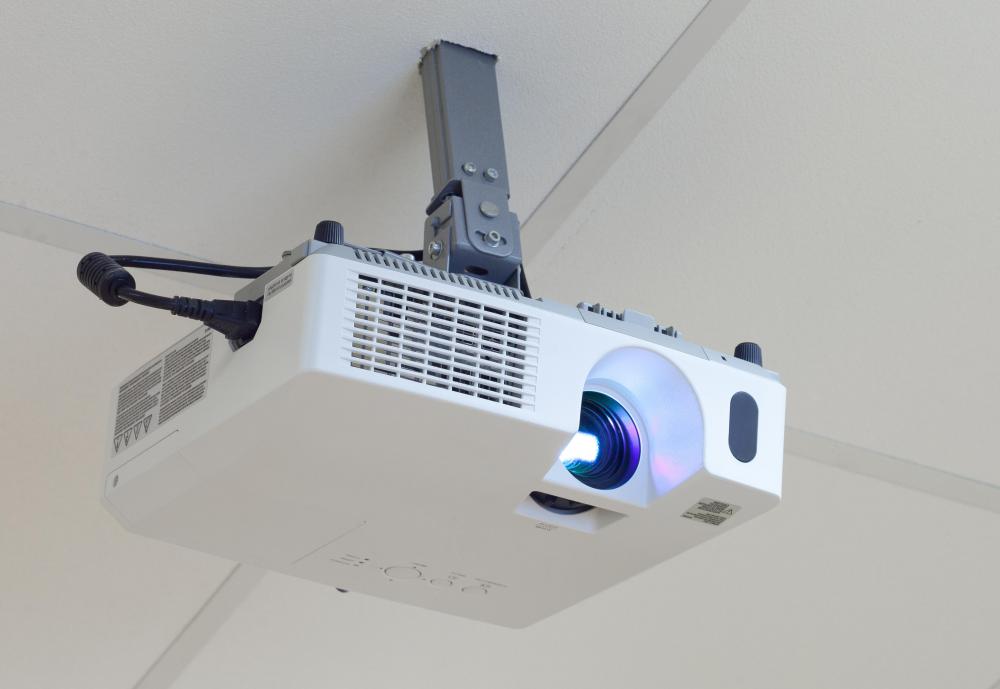
Overhead projectors have long been a staple in classrooms, conference rooms, and business presentations. These versatile devices allow users to display images, documents, and transparencies onto a screen or wall, making them an effective tool for sharing information and delivering impactful presentations. Over the years, several types of overhead projectors have emerged, each with its own unique features and capabilities. In this article, we will explore some of the common types of overhead projectors available today.
1. Standard Overhead Projectors: Also known as the traditional overhead projector, this type features a flat glass stage where transparencies or documents are placed. The light source is typically an incandescent bulb located beneath the stage, which projects the image onto a screen or wall. Standard overhead projectors are widely used in classrooms and smaller meeting rooms due to their simplicity and affordability.
2. Portable Overhead Projectors: As the name suggests, portable overhead projectors are designed for easy transportation and use in different locations. These projectors are lightweight, compact, and often come with a carrying case. Portable overhead projectors are popular among educators, trainers, and presenters who frequently travel and need a convenient and reliable projection solution.
3. Multimedia Overhead Projectors: This type of overhead projector integrates modern multimedia features, such as built-in speakers, USB connectivity, and compatibility with digital files. Multimedia overhead projectors allow users to project not only transparencies but also digital content, such as images, videos, and presentations, directly from a computer or USB drive. These projectors are versatile and suitable for both educational and business settings.
4. Interactive Overhead Projectors: Interactive overhead projectors combine projection capabilities with interactive whiteboard technology. They enable users to interact with the projected content by using a special pen or their fingers to write, draw, and manipulate the displayed information. Interactive overhead projectors are commonly used in classrooms, training sessions, and collaborative environments to enhance engagement and interactivity during presentations.
5. LCD Overhead Projectors: LCD (Liquid Crystal Display) overhead projectors use LCD panels to generate the projected image. These projectors offer enhanced brightness, image clarity, and color accuracy compared to standard overhead projectors. LCD overhead projectors are suitable for situations that require high-quality visuals, such as professional presentations, conferences, and exhibitions.
6. Digital Overhead Projectors: Digital overhead projectors utilize digital technology, such as DLP (Digital Light Processing) or LED (Light Emitting Diode), to create the projected image. They offer advantages such as higher brightness levels, sharper images, and longer lifespan compared to traditional bulb-based projectors. Digital overhead projectors are often preferred for large venues, auditoriums, and environments with high ambient light.
7. Document Cameras or Visual Presenters: Although not strictly overhead projectors, document cameras or visual presenters are devices that capture and project live images of documents, objects, or 3D objects onto a screen or wall. They are commonly used in classrooms and conferences to display real-time demonstrations, experiments, or close-up views of materials.
In conclusion, the world of overhead projectors offers a variety of options to suit different needs and settings. From standard and portable projectors to multimedia, interactive, LCD, digital, and document cameras, there is a wide range of choices available. When selecting an overhead projector, it is essential to consider factors such as portability, projection capabilities, connectivity options, and the specific requirements of your presentations. By choosing the right type of overhead projector, you can enhance your visual presentations and effectively convey information to your audience.