Every individual has unique nutritional requirements, influenced by factors like age, gender, activity level, and medical history. Professional dietitians emphasize the importance of understanding these personal needs for optimal health. They recommend comprehensive health assessments including blood tests to identify any deficiencies or imbalances. This approach helps in creating a tailored diet plan that addresses specific nutritional needs, ensuring a balanced intake of macronutrients (proteins, carbohydrates, and fats) and micronutrients (vitamins and minerals).

Balancing Macronutrients for Energy and Health
The right balance of macronutrients is crucial for energy, muscle building, and overall health. Dietitians advocate for a balanced diet where carbohydrates, proteins, and fats are consumed in appropriate proportions. Carbohydrates should mainly come from whole grains, fruits, and vegetables, rather than refined sugars. Proteins are essential for muscle repair and growth, and healthy fats are necessary for hormone production and nutrient absorption. Personalized macronutrient ratios can vary depending on individual goals, such as weight loss, muscle gain, or maintenance.
Importance of Micronutrients in Disease Prevention
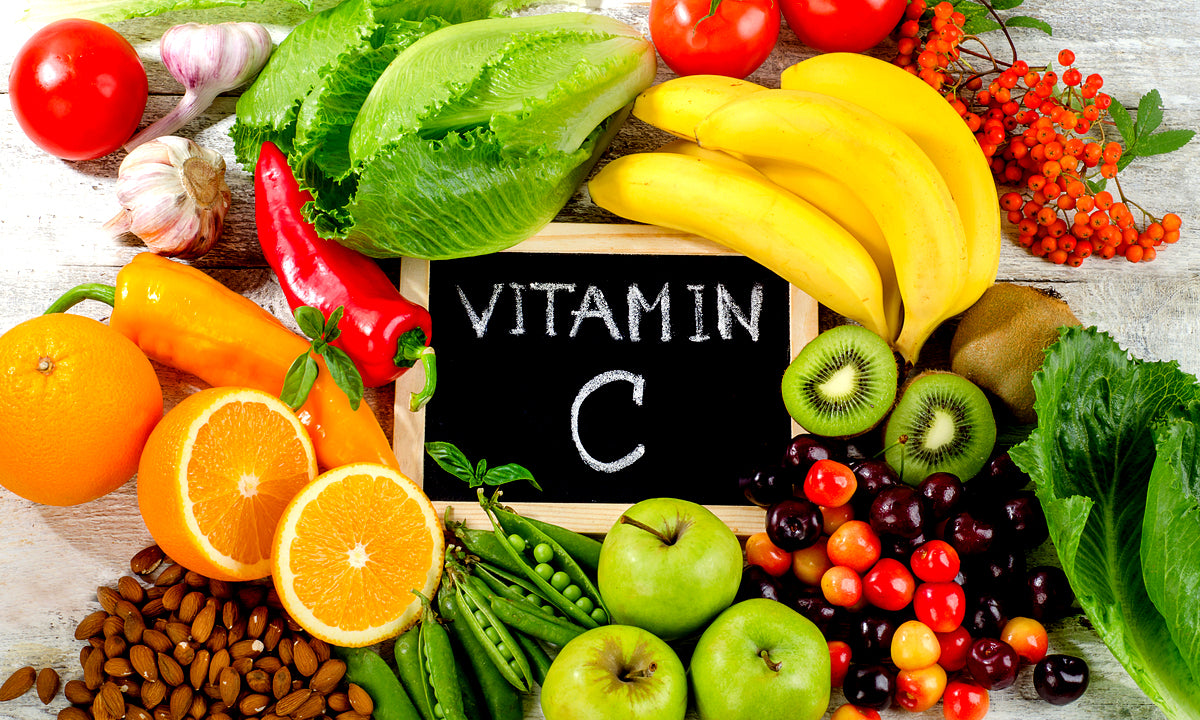
Micronutrients, though required in smaller amounts, play a significant role in disease prevention and overall well-being. Vitamins like A, C, D, E, and K, and minerals such as calcium, potassium, and iron, are vital. A deficiency in these can lead to serious health issues. Dietitians often suggest a diet rich in fruits, vegetables, whole grains, and lean proteins to ensure adequate micronutrient intake. In some cases, supplementation may be recommended, especially for nutrients hard to obtain from diet alone, like vitamin D.
Addressing Dietary Restrictions and Allergies
Professional dietitians are skilled in creating diet plans that accommodate dietary restrictions and allergies. Whether due to health conditions like celiac disease or personal choices like veganism, they can provide alternatives to ensure nutritional needs are met. This includes identifying plant-based protein sources for vegans or gluten-free options for those with gluten intolerance. The focus is on diversity and balance, ensuring that eliminating certain foods doesn't lead to nutritional deficiencies.
The Role of Hydration in Diet
Hydration plays a pivotal role in maintaining optimal health. Water is essential for various bodily functions, including digestion, nutrient absorption, and temperature regulation. Dietitians stress the importance of regular water intake and advise against excessive consumption of sugary drinks. They recommend incorporating water-rich foods like fruits and vegetables into the diet, providing hydration and essential nutrients simultaneously.

Incorporating Superfoods for Added Health Benefits
Superfoods, though not a scientific term, refers to nutrient-rich foods that are particularly beneficial for health and well-being. Dietitians often include foods like berries, nuts, seeds, dark leafy greens, and oily fish in diet plans for their high concentration of vitamins, minerals, and antioxidants. These foods can boost immunity, reduce inflammation, and support overall health. However, dietitians warn against relying solely on superfoods, advocating for a diverse and balanced diet instead.
Personalizing Diets for Lifestyle and Health Goals
A one-size-fits-all approach does not work in nutrition. Dietitians work closely with individuals to tailor diets that align with their lifestyle and health goals. This personalized approach takes into account personal preferences, work schedules, and physical activity levels. For someone with a sedentary job, the focus might be on lower-calorie, nutrient-dense foods, while an athlete might require a higher calorie intake with a focus on proteins and carbohydrates for energy and recovery. Visit here to know more about professional dietitian services - https://www.julienutrition.com/dietitian-nutritionist-alberta/dietitian-nutritionist-calgary/

Conclusion
Tailoring your diet for optimal health is a personalized journey. With the insights from professional dietitians, understanding and meeting individual nutritional needs becomes a manageable task. By focusing on a balanced intake of macronutrients and micronutrients, addressing dietary restrictions, staying hydrated, and incorporating a variety of nutrient-rich foods, individuals can significantly enhance their health and well-being. Personalization is key, and working with a dietitian can provide the guidance needed to create a diet plan that is not only nutritious but also sustainable and enjoyable.