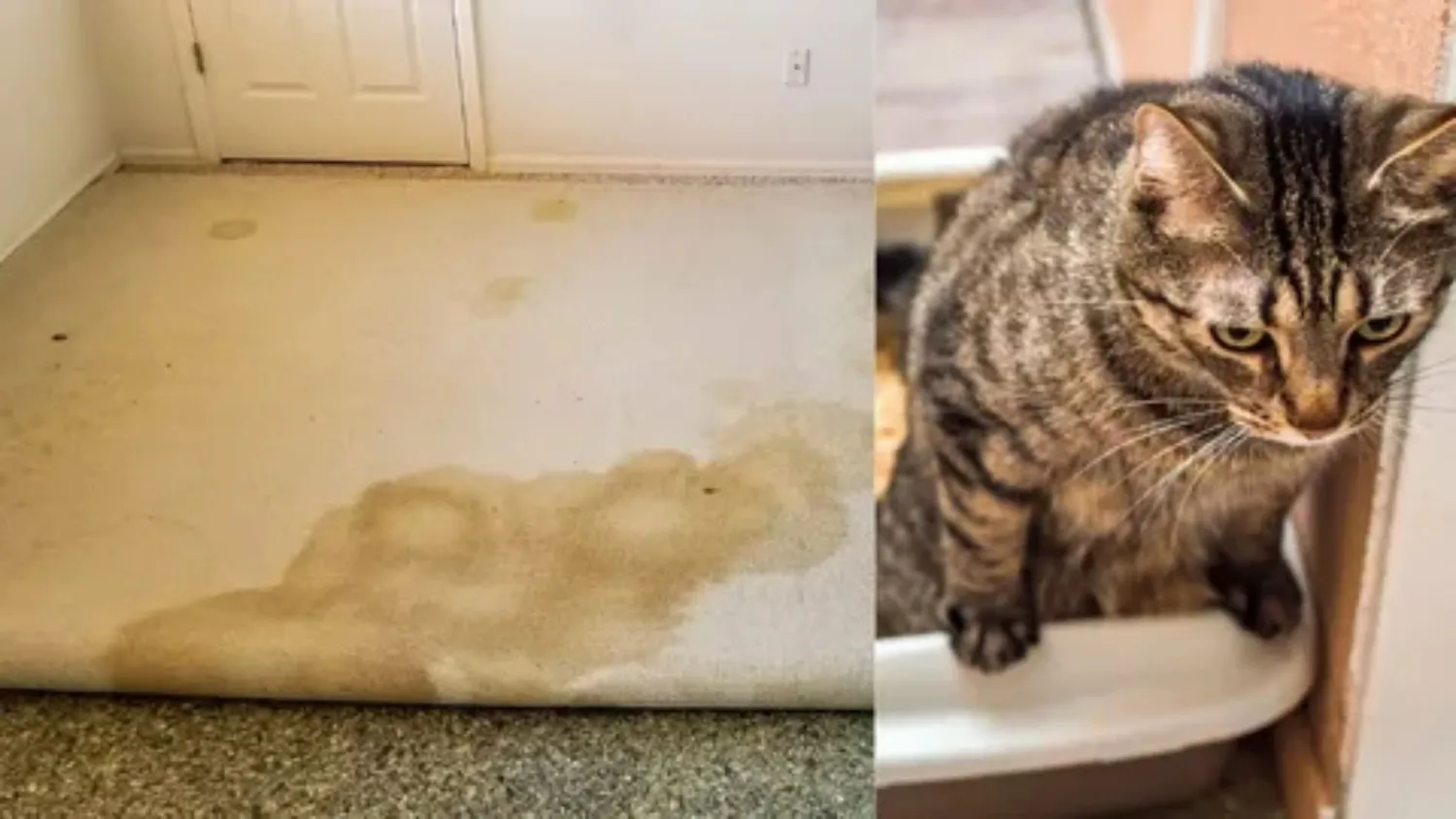
Cat urine is one of those smells that just doesn’t go away easily. It seeps into soft surfaces like couches, rugs, and carpet padding, and before you know it, your entire room carries that unmistakable scent. If you’ve tried scrubbing, spraying, and airing things out—only to have the smell return—you’re not alone. The truth is, once urine sets in, it’s incredibly hard to get rid of without the right tools. That’s why professional cat urine smell removal is often the best solution.
Let’s talk about what makes cat urine so stubborn, what not to do, and how pros tackle the problem for good.
Why Cat Urine Is So Hard to Clean
The main issue with cat urine is that it contains uric acid, which binds tightly to fabric and porous materials. As it dries, it forms urine crystals. These crystals are resistant to many household cleaners and become reactivated with heat or humidity. That’s why the smell can fade for a while and then come back out of nowhere.
When the odor reappears, it’s not just annoying—it’s a signal that the urine wasn’t fully removed. Sprays and masking agents may cover it for a short time, but unless those crystals are broken down and extracted, the smell sticks around.
Why DIY Methods Usually Fall Short
You’ve probably seen tons of advice online—vinegar, baking soda, hydrogen peroxide, and even enzyme cleaners. While some of these may help in mild cases, they often don’t reach deep enough into cushions or carpet padding to fully treat the issue.
Also, many people use too much water when cleaning upholstery or carpets. This can push the urine even deeper into the material. Or worse, it can create mildew if it doesn’t dry properly.
If the stain is old or your cat keeps returning to the same spot, it’s time to stop guessing and call in a pro.
How Professionals Handle Cat Urine Odor in Carpets and Furniture
A professional cat urine smell removal service doesn’t just treat what you can see. They look for the source of the problem using tools like UV lights and moisture detectors. This helps them locate hidden urine spots that may have soaked into carpet padding, subflooring, or the interior of upholstered furniture.
Once they’ve identified the damage, they apply targeted cleaning solutions that break down urine crystals and neutralize odor at the source. They also use powerful extraction machines to pull up both the urine residue and any leftover cleaning solution—something most home vacuums can’t do.
In many cases, they’ll also treat the area with a sealant to prevent any odor from reactivating later. This is especially helpful for carpeted rooms or multi-pet homes where recurrence is a concern.
Why It’s Worth It
Hiring a pro saves you time, effort, and frustration. More importantly, it helps protect your belongings. Urine left untreated can permanently stain or damage fabrics and carpet fibers. It can also lead to mold growth or allergen buildup, especially in high-humidity areas.
Plus, professional treatment can often restore items you thought were ruined. A favorite chair, heirloom rug, or expensive couch can be salvaged when cleaned the right way.
How to Avoid Repeat Accidents
Once the smell is gone, cats are less likely to return to the same spot. But just to be safe, clean litter boxes frequently, reduce stress in multi-cat households, and use deterrent sprays or pet-friendly behavior aids if necessary. Preventing new accidents is just as important as removing old ones.
Final Thoughts
If you’re tired of the lingering smell or frustrated that nothing seems to work, it might be time to let the professionals handle it. When it comes to upholstery and carpet, cat urine doesn’t just stay on the surface—it soaks deep. That’s why professional cat urine smell removal is often the only way to truly fix the problem.
FAQs
How soon should I treat cat urine stains?
The sooner, the better. Fresh stains are easier to remove. Once dried, urine can cause permanent damage and deep odors.
Are cleaning products safe for pets and kids?
Yes, reputable professional services use non-toxic, pet-safe solutions designed for household use.
Can a pro clean antique or delicate fabrics?
Most professional cleaners know how to handle specialty fabrics. It’s always good to mention delicate items during the inspection.
What if the smell comes back?
Professionals often offer odor-free guarantees or follow-up treatments if needed. Be sure to ask about service warranties.