Almost nothing is left of the food culture of pre-Islamic Iran, and in the cases that have survived, more attention has been paid to the food culture of aristocrats and princes. Perhaps one of the best examples of documents that can describe Iranian cuisine is the Arjan Bronze Cup. These objects usually depict food tastes and clothing styles in different eras. For example, the book "Taj" or "Akhlaq al-Muluk" is about the way of life of kings and the way of their rule, but part of the book is also dedicated to food and the way of holding various ceremonies in the Sassanid period. This book proves that many Iranian customs were still observed in Iran, at least until the 4th and 5th centuries after the advent of Islam.
After the decline of the Sassanid period, the Arabs became acquainted with the way of life of the Iranians in the Sassanid period. The presence of Iranians in the palace of the Abbasid Caliph also increased this familiarity. Iranian food and food tastes also influenced the three Seljuk, Ilkhanid, and Mongol dynasties that ruled Iran from the 13th century. In addition, there is ample evidence that foreigners invading Iran also influenced Iranian food. For example, the use of qaraqaroot, which is a type of black curd and was used by the Turks, or the types of flour and its use in Iranian food, which was mostly used in Central Asia, can be examples of this effect.
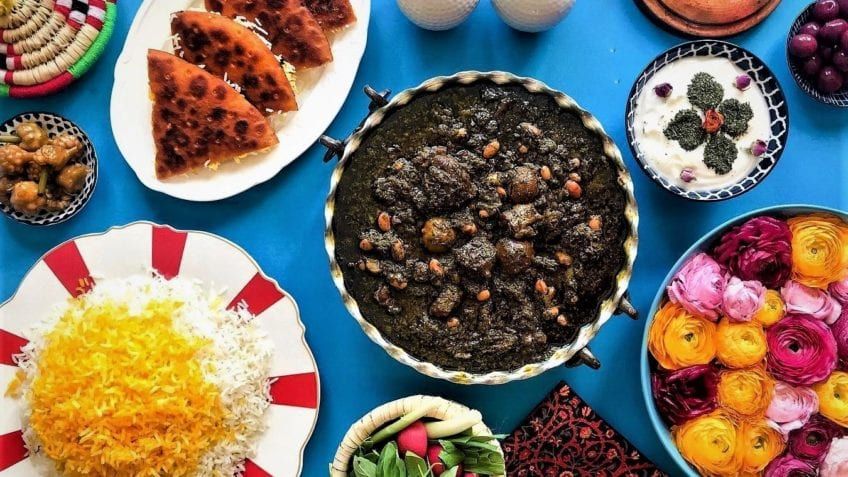
Most of the food and things we know about Iranian food are from the Safavid era. Chefs' letters and manuscripts and information that travelers have written in their travelogues is one of the main sources for research on Iranian food. The writings of court chefs show a very luxurious and aristocratic style of cooking and serving food in Iran. A variety of dishes such as pilaf, cocoa, ash, jam and meatballs were among the popular court dishes in ancient Iran. Safavid travelogues also provide very useful information about Iranian eating habits and customs. For example, according to these documents, we know that in the past, large dishes of pilaf and kebabs were prepared jointly for two or three people, and the Iranians always ate together. In the past, people ate more by hand, and the use of spoons and forks was less common. A variety of syrups were served on tables in large pitchers, and the syrups were mixed with large wooden spoons. There were no handkerchiefs on the Iranian tablecloths, and people washed their hands in copper or silver sunshades before eating, and servants helped the people at the table.
Features of Iranian cuisine
Najaf Daryabandari in the book "Culinary Mustaeb" lists general features for Iranian cuisine, which are:
The main dishes usually have the same cooking style; In fact, these foods can be considered as a model and more diverse foods can be made from it. It depends on the combination of ingredients and the initiative and creativity of the chef;
1- Iranian food is mild and balanced, and aromatic substances and spicy condiments, various spices and colors are less used in it;
2- The predominant fuel of Iranian kitchens in the past was firewood and charcoal or animal skewers; Therefore, the gentle and uniform heat of the oven and stove caused the main Iranian dishes such as chelo, pilaf, stew and broth to be eaten after the so-called brewing and settling and finding a special flavor;
3- Accompanying pilaf with stew is one of the initiatives of the Iranian culinary school. Since vegetables, herbs and legumes are more available than meat, poultry and fish, the Iranian chef has added them to rice and cooked pilafs that do not require stew.
The features mentioned are related to the specific concepts of Iranian cuisine and related schools, which are sometimes referred to as the spirit of Iranian cuisine. Now we will take a look at some of the customs and meals of the Persian kings in different periods.
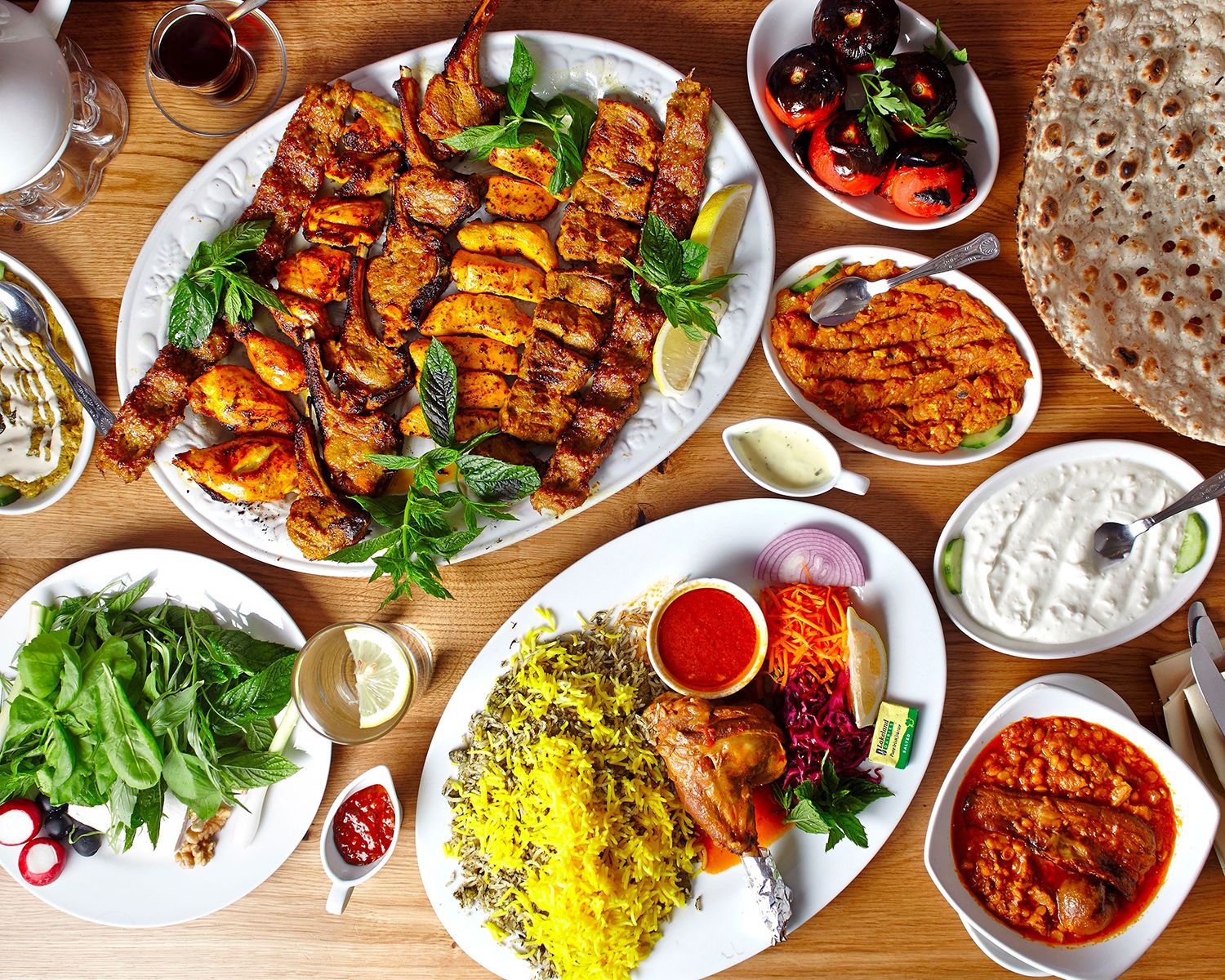
Iranian food culture is famous for its excessive use of rice and its slow, slow and long cooking style. Rice is the main ingredient in Iranian food and most of the rice used by Iranians in ancient times was prepared from the northern provinces of Iran. In many travelogues from the Safavid and Qajar eras, it is mentioned that pilaf is the national and main food of Iran and Iranians must have pilaf on their tables at every meal. Jacob Edward Pollack, a tourist, writes in his writings that pilaf, chelo and ash are the three main dishes in Iran, all three of which are made from rice.