Conan, Elric, Drizzt, Geralt and Social Prejudice
The pinnacle protagonists of heroic fantasy share troubled ethnic backgrounds that develop the characters’ personalities and influence their actions within the stories.
The Cimmerian
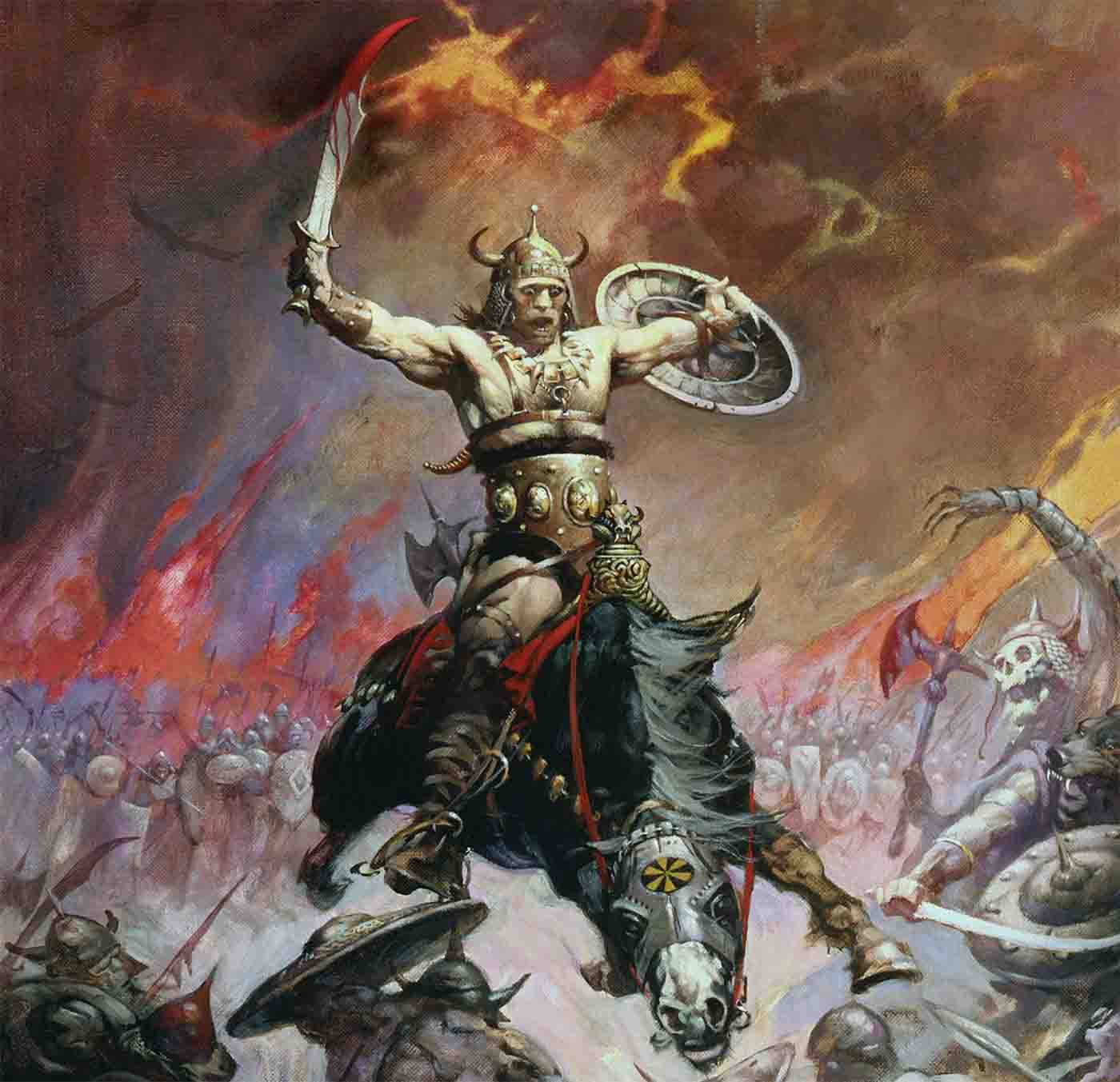
In Robert E. Howard’s Conan stories, the protagonist is often referred to by his ethnic background—Cimmerian. No matter the vice or virtue of his deeds Conan carries the negative connotations of his people. Brute savagery is all that is expected of him, and one cannot deny Conan often behaves in an uncouth manner given his excessive lusts for wine and loose women that lead to his frequently impoverished state. It is Howard’s genius as an author that turns these prejudicial tables. Conan’s blunt speech and the immediate physicality of his actions are a refreshing counterpoint set against the decadence and deceit of the many civilized characters. Howard convinces the reader to accept and even cheer for this rough-neck barbarian.
The Eternal Champion
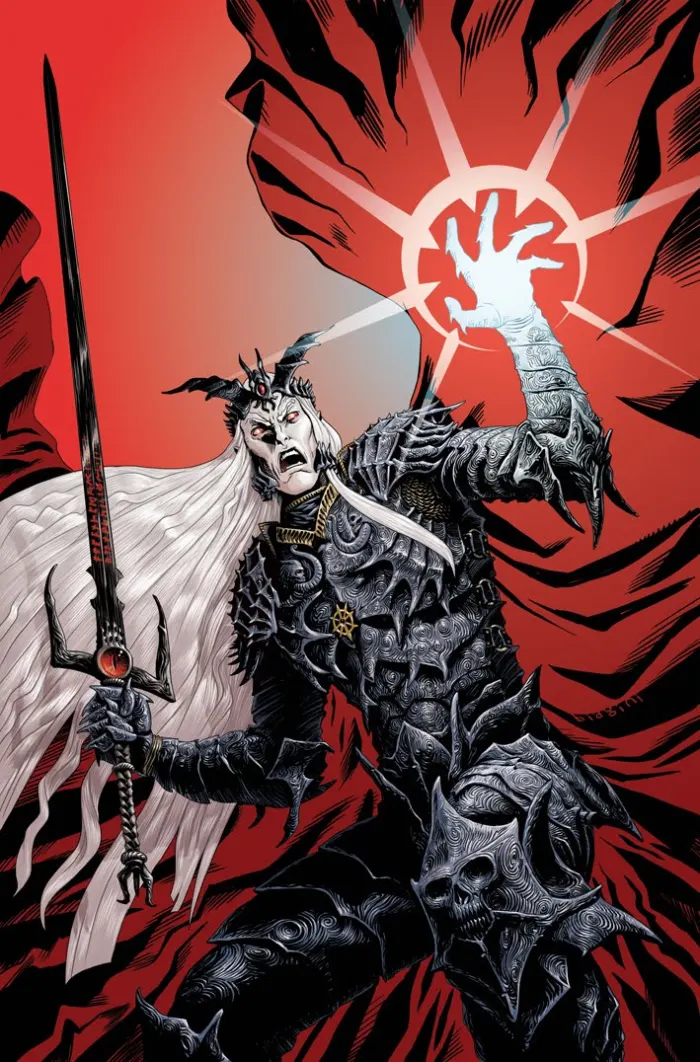
Elric, Michael Moorcock’s famous character, is in many ways the anti-Conan. A frail albino interested in magic and inheritor to the ancient civilization of Melniboné, Elric also has sophisticated tastes and a sensitive conscience. After the treachery of his cousin, Yyrkoon, Elric is forced into a life of wandering adventure and becomes bound to the sentient, murderous sword, Stormbringer. Elric never escapes his people’s reputation for cruelty, decadence, and sorcery despite his will to be otherwise. His attempts to do good deeds are also undermined by Stormbringer’s bloodlust. As such, Elric rarely finds acceptance and shares with Conan this role of the outcast hero who, because of his ethnic lineage, can never really enter into the societies he defends from chaos.
The Dark Elf
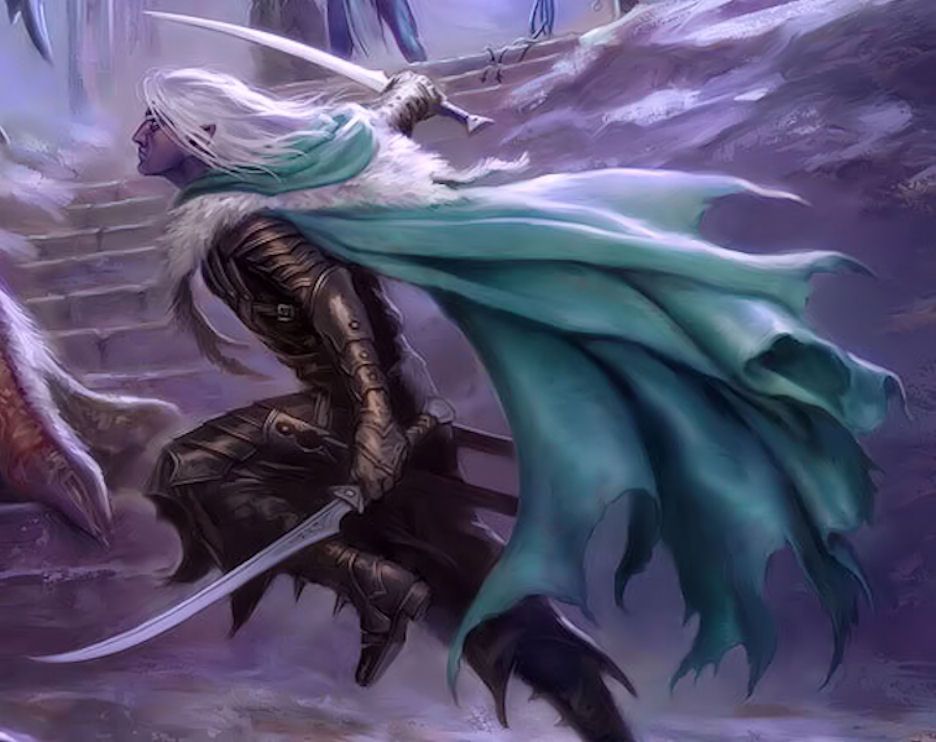
R. A. Salvatore’s famous drow elf, Drizzt Do’Urden, finds himself in the same position. A gifted warrior who rejects his historically evil people, Drizzt cannot overcome the enormous social pressure to live among surface-dwellers. Because of his physical appearance he must live on the fringes of civilization or use magic to disguise himself to be safe from the people he helps. This tragedy is heightened because even more so than Conan or Elric, Drizzt is a deeply moral and compassionate individual who must suffer reactionary prejudice from the very people who cannot survive without his martial prowess keeping them safe.
The Witcher
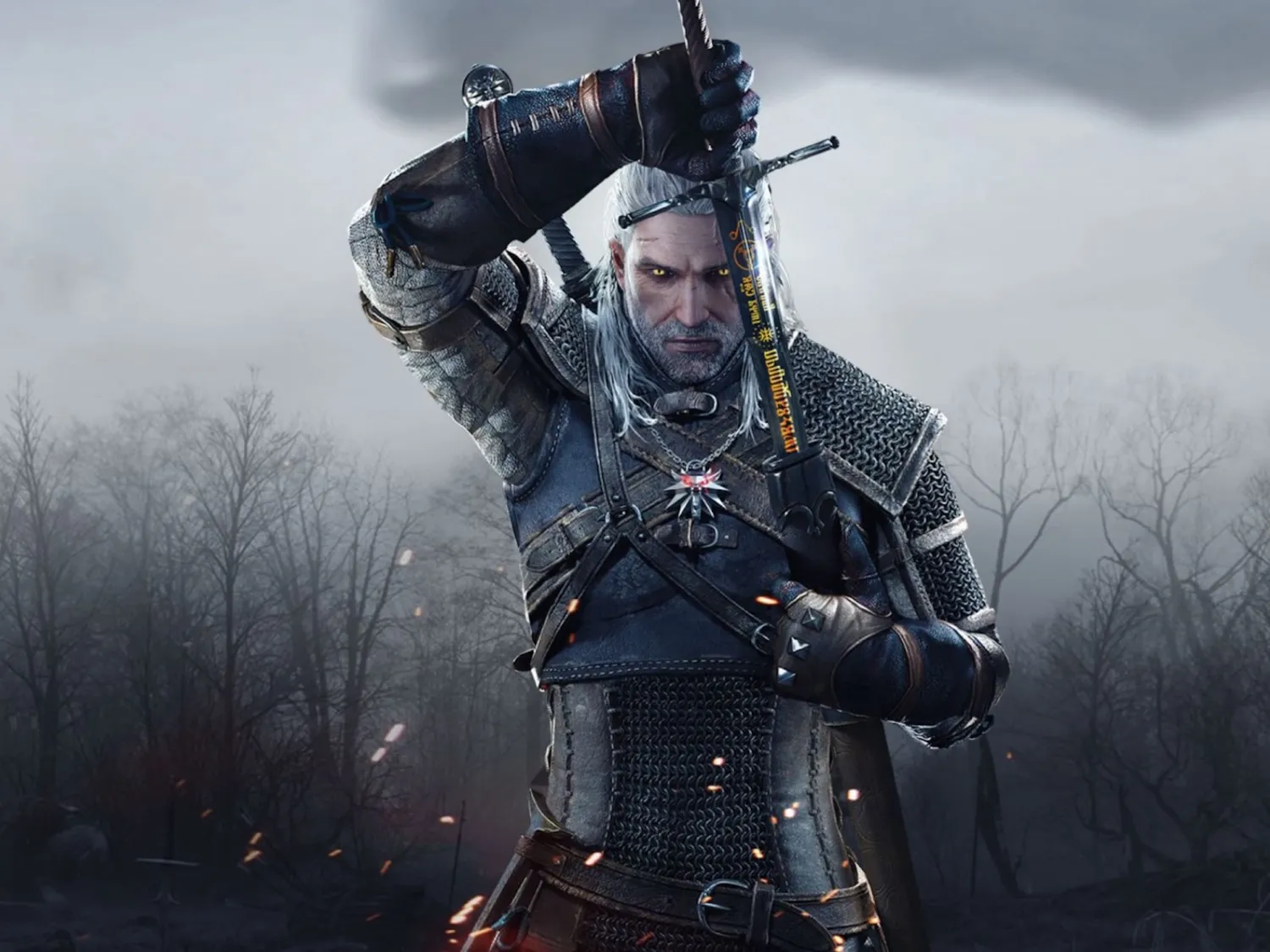
In the Sapkowski’s Witcher series, Geralt of Rivia exists in much the same sort of circumstances as the other heroic fantasy heroes. By training and genetic manipulation, he's a protagonist destined to protect people from the dangers represented by the monsters that also exist in the setting. Even as he does his best to save people who lack the skills to fight monsters, the people he defends often treat him badly, shun him, and try to cheat him. All the same, he constantly endeavors to keep both people and sentient monsters from coming into violent confrontations with each other. Part of the tragedy of the setting of the Witcher is that humans continue to expand and push civilization into the wilderness where the monsters live. This expansion means that Geralt's services are necessary, but that there is no place for him among "normal" human civilization nor among the monsters. All the same, Geralt stands out as a character with a strong moral compass even as he deals with vicious monsters prejudices and venal humans.
True Heroism
In successful heroic fantasy the protagonist must come from an ethnic or social group that suffers under extreme prejudice. This situation presents an obstacle to the character that he or she cannot solve with his or her superior physical skills. This barrier represents a threat greater than one any arch villain can muster. It also provides the best opportunity to develop and humanize the character as he or she face the ignorance and prejudice of others while attempting to remain heroic.