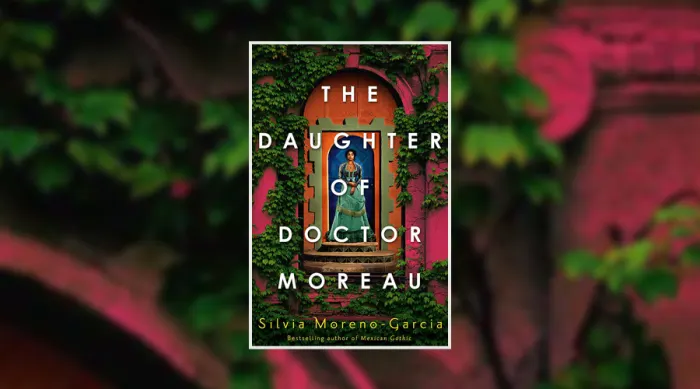
The Doctor is In—Sane!
The Daughter of Doctor Moreau by Silvia Moreno-Garcia is a reimagining of The Island of Doctor Moreau by H. G. Wells, relocating the events of that story to a remote corner of the Yucatan Peninsula in the 1870’s. Seen through the eyes of Carlota, the titular daughter, and Montgomery, a British expatriate trying to work off his debts by becoming the mayordomo of Dr. Moreau’s hacienda, Yaxaktun, and overseer of the quasi-humans living there.
O. G. Mad Scientists
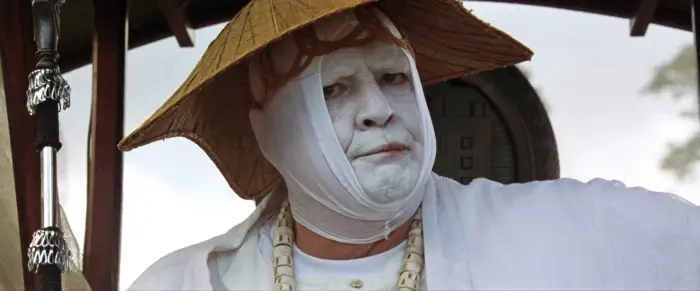
The original book by Wells is a science-fiction and horror story along the lines of Mary Shelley’s Frankenstein. Wells is interested in the implications—technological and moral—of the doctor’s experimentation in transforming other creatures into more humanoid forms in his attempt to perfect creation in much the same way Victor Frankenstein wants to vanquish death by reanimating dead flesh to create an immortal being. The hubris in both cases also drives the sense of horror as both men lose control of their experiments and are shown to be more horrific than their creations. Moreno-Garcia steers her novel in a different direction. The science-fiction elements are Charmin soft, and aside from some light instances of body horror, the book doesn’t inspire any terror. The God-complex hubris of Dr. Moreau, however, is still in prominent.
Character Drama
Rather than a science-fiction and horror story, The Daughter of Doctor Moreau is primarily a kind of character drama. It is not too difficult to imagine this book turned into a limited series, telenovela hacienda story wherein some of the character wear Halloween masks. This comment is not meant as a negative summation but to explain the different type of focus and style for which Moreno-Garcia reaches. Interpersonal drama is much more the heart of this story than in the original novel or the various film adaptations. As such, this novel will succeed or fail for readers depending on how well they connect to the two protagonists: Carlota and Montgomery.
Carlota is a young woman who wants to do her best to please her father and enjoy a fairly idyllic life in Yaxaktun, which is all she has ever known. However, doubts fostered by some of the discontent hybrids and her father’s desperate need to secure funding to continue with his experimentation propel her not only to question Dr. Moreau but also to take charge of own destiny and to secure the land and people that matter to her. Montgomery is an alcoholic gambler, broken by personal and professional failings, who manages to make a kind of home for himself at the hacienda after years spent drifting in the New World. Intrusions from outside Yaxaktun and the basic changes wrought by time, however, mean he must make choices about what is worth defending.
Inhumane Utopia
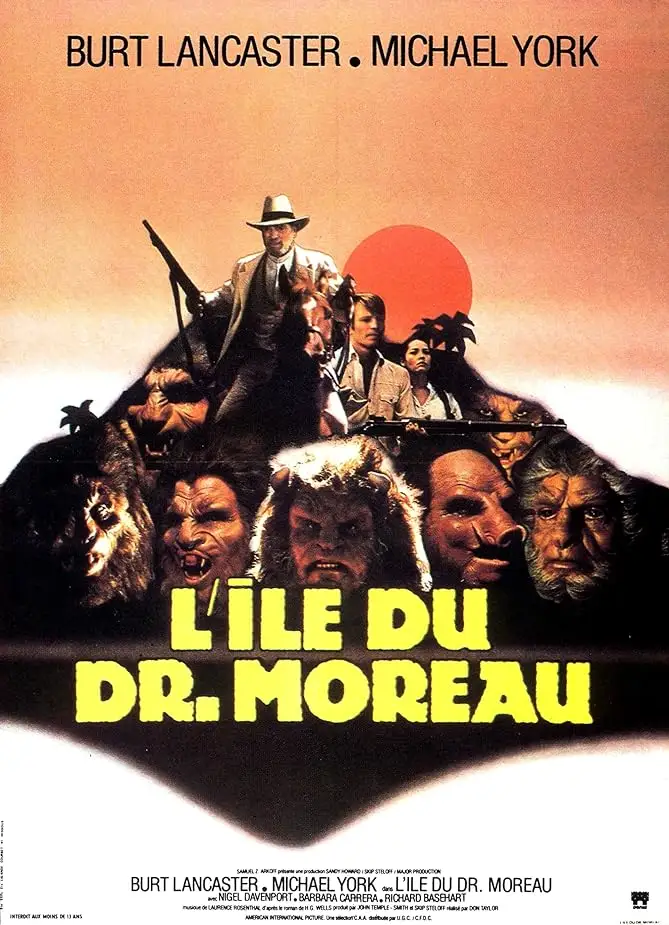
The novel is slow to start, with the first third of the book taking its time to lay out the setting and principle characters. By the halfway point, though, it really picks up steam as the desires of different characters come into conflict regarding the future of the chimeric hybrids and the doctor’s household. The story is dripping with Edenic symbols, playing into the unobtainable ideals of utopian progress consistently found in the character of Dr. Moreau, who is simultaneously brilliant, narcissistic, and pitiless. It is easy to see that The Daughter of Doctor Moreau is thematically about social disparities, the troubles of growing into adulthood, and dealing with familial legacies, biological and otherwise. As such, the novel has a different texture than the audience might expect for what they might believe is a retelling of a classic science-fiction, horror story. Given a chance, though, Carlota and Montgomery make for convincing lead characters worth following as they navigate the turbulence of the plot. It may not be as strong as Mexican Gothic, but The Daughter of Doctor Moreau is an engaging novel.
Source
Moreno-Garcia, Silvia. The Daughter of Doctor Moreau. Del Rey, 2022.
© 2023 Seth Tomko