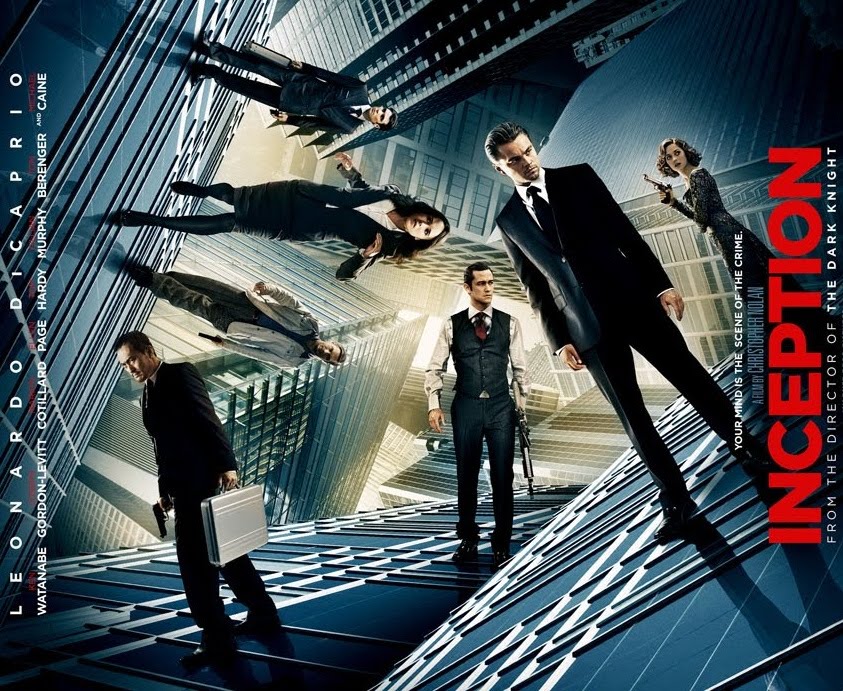
When the Dream is Real
For all the interesting science-fiction elements and the exploration of the psycho-physical nature of dreaming Inception is ultimately grounded in basic principles of philosophical pragmatism.
Advanced Warning
If you haven’t seen Inception you may not want to continue reading this article as there will be some spoilers. Go see it, and then come back here.
Pragmatism in a Nutshell
At the core of the philosophy of Pragmatism is essentially an axiom that states that if an idea works, it is true (Sahakian 151). Basically if there are consequences to what we believe then what we believe is real, and the thrust of Inception’s plot hinges on this concept. The main external conflict in the movie is the attempt to make Robert Fischer, Jr. (Cillian Murphy) believe what the inception team wants him to believe, namely that he should break apart his energy business empire.
What's the most resilient parasite? An Idea
From the outset many characters believe this process of convincing someone to believe in a planted idea is either impossible or too difficult to bother attempting. Even Cobb (Leonardo DiCaprio) explains that even if the inception works they’ll have no power to predict or control the range of effects that will arise from planting the idea. He warns inception may fundamentally alter Fischer and his behavior as Cobb previously witness with Mal.
In order to affect the desired change Cobb enters Fischer’s dreams and attacks his emotionally turbulent paternal relationship, culminating in a tender moment of deathbed reconciliation and catharsis. That this event and the reveal of the beloved and sentimental artifact in the safe is most likely not factual or real in an objective sense is inconsequential. The fact that Fischer believes in this cathartic moment is what is required to reshape his character and convince him to dissolve his multi-national energy empire. His belief in the transformative event is more important than whether or not it really occurred.
A Dream Seems Real as Long as You’re in It
Because it is the belief in the reconciliation that creates consequences and yields practical results Inception inherently presents a world anchored by the philosophy of Pragmatism. The film teaches its characters not to trust in their senses since they can be deceived, and because the audience members—just like the characters—likely have trouble knowing when the movie is in a dream and when it is in the waking world the whole concept of an objective reality is up for questioning. All that is left to trust then are ideas and even if those ideas are not true in an abstract sense, they become true and real so long as those ideas are believed.
Sources
Sahakian, William, Sahakian, Mabel. Ideas of the Great Philosophers. New York: Barnes & Noble, 1969.
© 2010 Seth Tomko