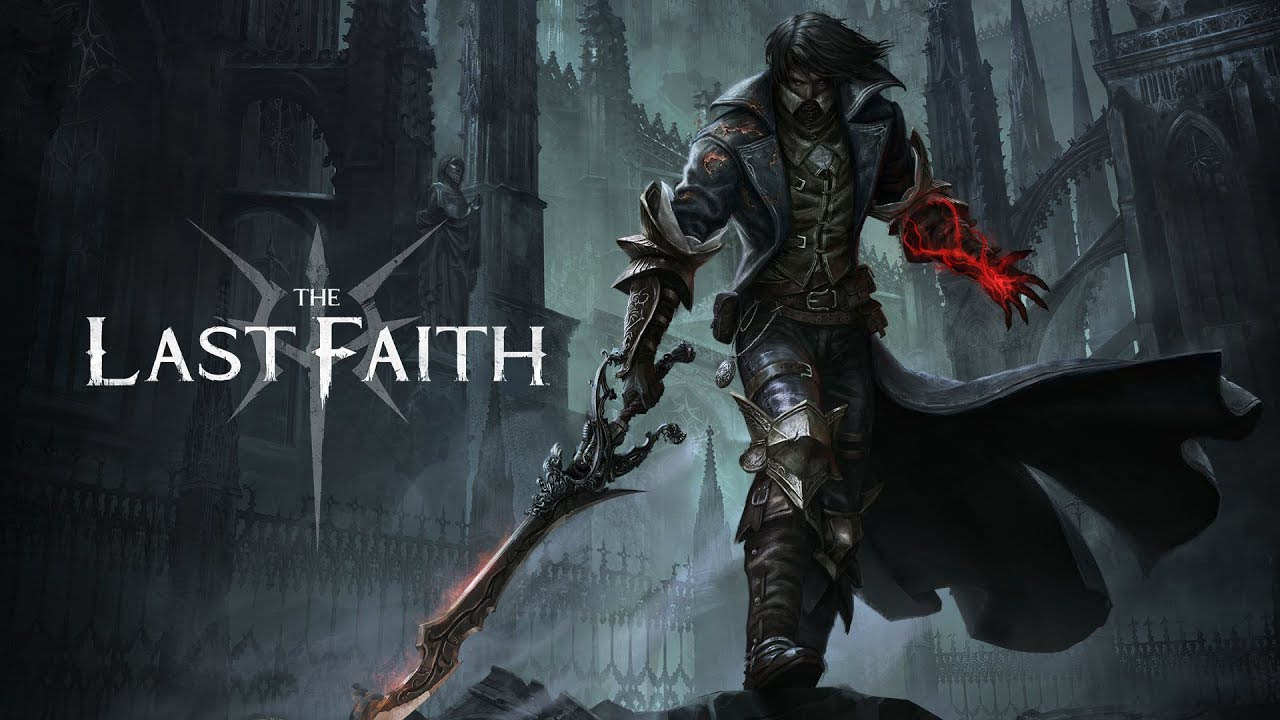
Dark, Gothic, Retrostyle Game
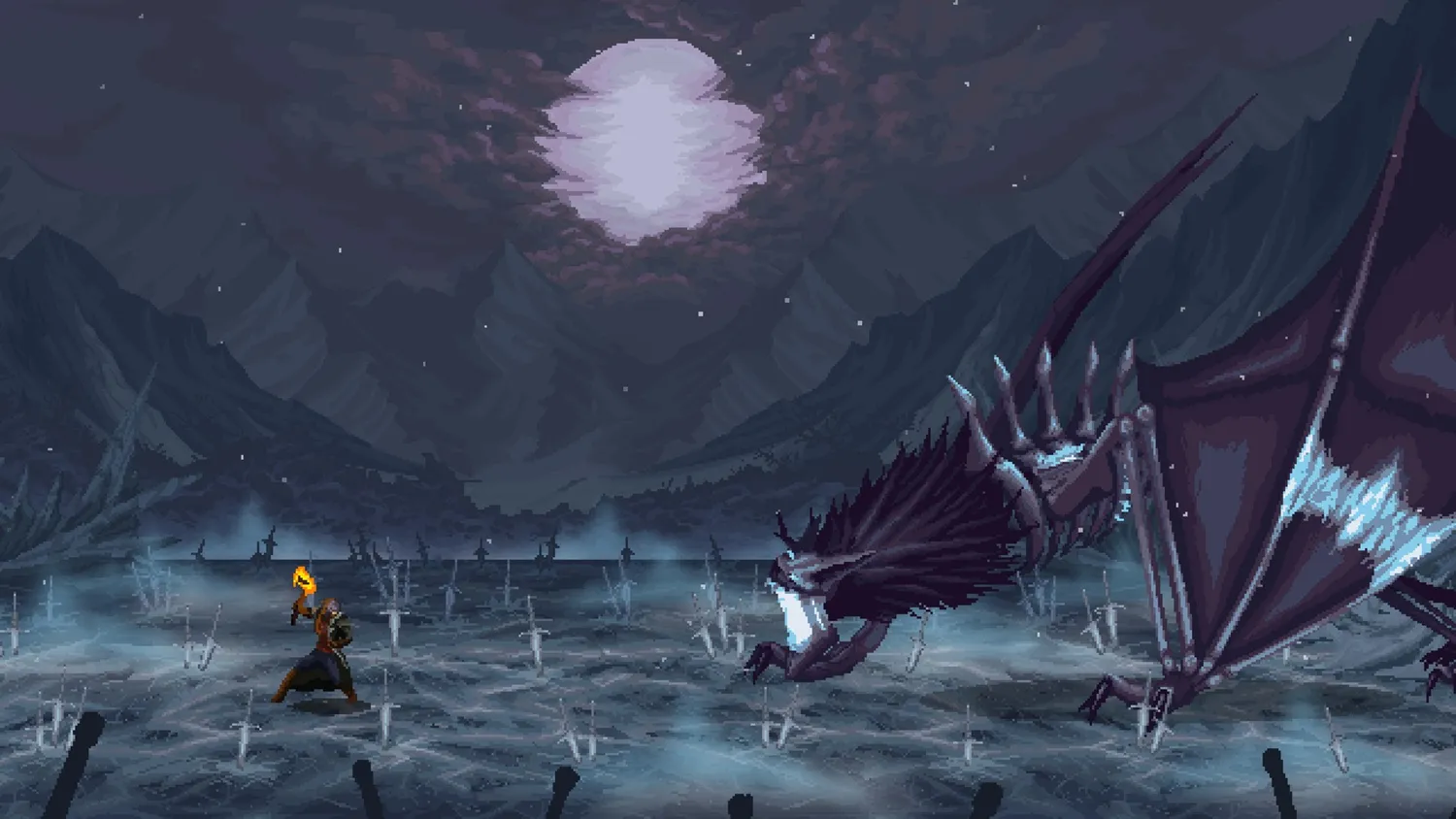
The Last Faith is a Metroidvania game done in a pixel art style with Gothic overtones. The player controls Eryk, someone who is cursed and infected and escapes from a church prison, seeking answers in a setting that has degenerated into eldritch weirdness. While rescuing a few sane individuals who can also provide him with some material support, Eryk scours the land, defeating monstrosities and the deranged adherents to the corrupt and destructive religious cult as he searches for a way to save himself if not everyone else.
Metroidvania
Eryk fights monsters, solves puzzles, and does platforming in a 2-D landscape built on the design principles of Metroid and Castlevania: Symphony of the Night, hence the genre’s name. As players overcome challenges, they acquire new abilities such as a grappling hook or double jump that allows them to enter parts of the map that were previously inaccessible. Along with the main story of trying to solve Eryk’s affliction, there a plenty of smaller side missions for NPCs that encourage additional exploration, showcase hidden boss battles, or are a factor in achieving one of the optional endings.
The weaponry and spells in the game are influenced by Eryk’s ability scores. Unlike some games with similar systems, having lower ability scores doesn’t prevent the player from using those weapons. For instance, the SkullCleaver is an axe that has increased damage scaling with strength. However, a player can still use the axe with a lower strength score; it simply won’t be as optimized. If nothing else, this aspect of the game allows players to experiment, especially early on, with trying out different weapons to discover one that plays more to his or her liking.
Inspiration
The Last Faith is a good game and competently executed. It is not, however, as strong as its sources of inspiration or immediate competitors. It has the character advancement, story, and overall visual cues of Bloodborne. It has the general design and combat of Castlevania: Symphony of the Night with a seasoning of Dark Souls. It has the religious overtones and game progression of Blasphemous. On occasion, The Last Faith might rival those other games, but it never surpasses them nor brings anything outstanding to the table. Of course, players who simply want a reasonable and challenging experience and are less interested with innovation within the genre will find what they are looking for with this title.
Some aspects of the game are a bit puzzling. For starters, there is no way to respect Eryk. As pointed out before, this doesn’t mean players are locked out of using particular weapons, tools, or spells, but it does mean discoveries of such later can have the player struggling in challenging portions of the game because they are locked into suboptimized builds. Similarly, the timing of getting certain items or abilities feels off and can result in having to learn or relearn playstyles late in the game in order to take advantage of them. For example, a type of shield is not available until well after the halfway point when its utility and effectiveness is far less relevant than it would have been if made an option earlier.
Embrace the pain, renounce control. None shall betray the last faith.
-The Burnt Apostate
The Price of Faith
The Last Faith is a solid Metroidvania experience. If this style of game is appealing, then it is likely this one will be enjoyable even with its relatively minor shortcomings. As an indie game from a small developer, The Last Faith has a reasonable price point and can be purchased, often at a discount, on PC and most gaming consoles.
© 2024 Seth Tomko