Weight of the Crown
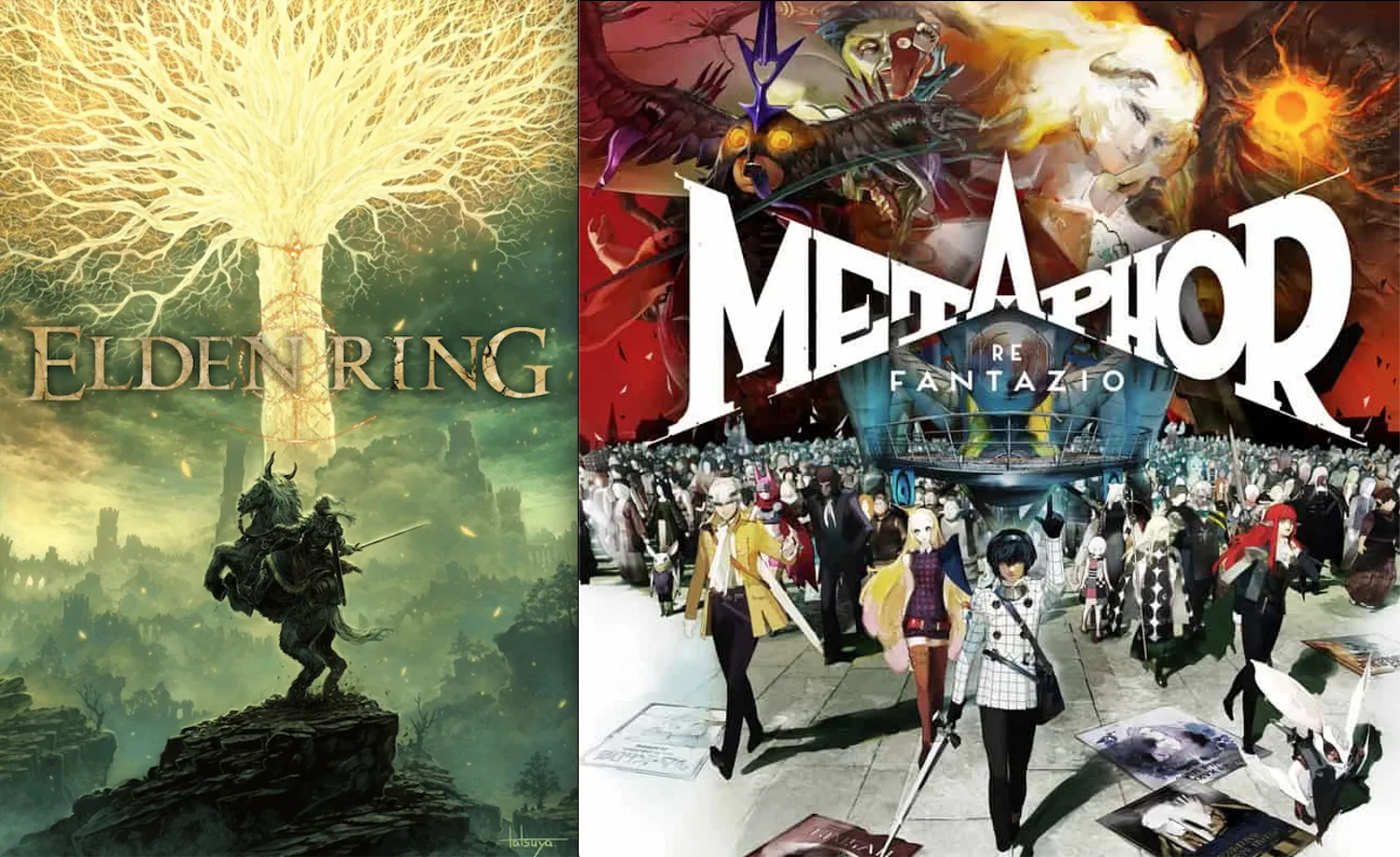
Elden Ring and Metaphor: ReFantazio both have central plots that hinge upon the idea of lordship. Both games openly state the goal is to win ultimate political authority that is paired with magical abilities to radically reshape the world. While both games have differing ideas about the validity of this goal, they do share a suspicion that endowing one person with all that power rarely leads to positive outcomes.
Spoiler Warning: There will be spoilers for the endings to Elden Ring and Metaphor: ReFantazio.
No Basis for a System of Government
Metaphor: ReFantazio has one true ending where the prince is crowned, and good things happen over time, even if there is still a long way to go. Having overcome Louis, the epilogue shows that overcoming prejudice and entrenched systems of exploitation are harder to do. Progress has been made with the prince and his allies setting a positive example, but much work remains.
Elden Ring has multiple possible endings with varied manners of lordship from benevolence to wholesale annihilation. Choices made by the player over the course of the game means the state of the world does not necessarily improve with the player’s ascendancy and might actually make it worse. This general ambivalence is standard across FromSoftware games where leadership is often uncoupled from morality, and the ending is usually ambiguous.
Inherent Injustice
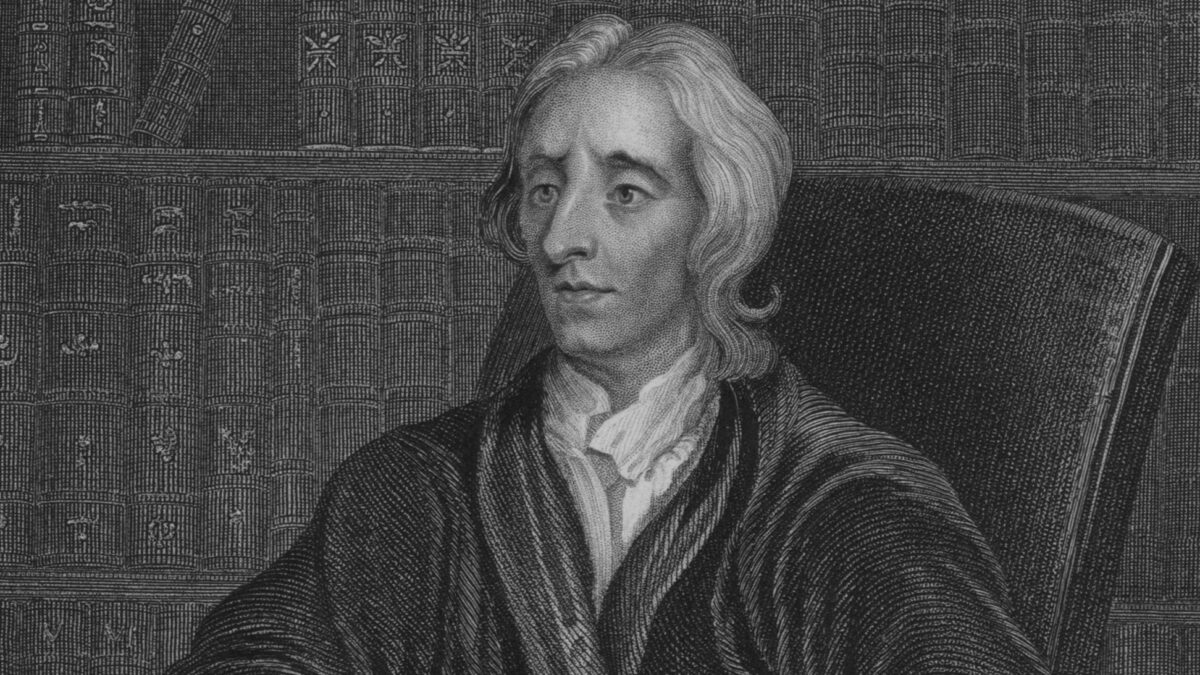
At the very least, both games agree that not all social and environmental ills can be cured even when benevolent people hold world-shaping power. It is, therefore, a mistake to invest so much authority in the hands of one individual. This outcome is a similar conclusion to the one reached by Enlightenment political philosophers like John Locke, Thomas Paine, Benjamin Franklin, and others. Distribution of power can help, as Metaphor: ReFantazio alludes to where like-minded or at least self-interested individuals and organizations can cooperate, so Euchronia is a more open society rather than the people pinning all their hopes and anxieties on the efforts of a king with extreme executive and magical powers. Of course, this outcome brings its own complications on that people disagree on what makes a good life and how to achieve it. With the power to force people to agree, the temptation to use it will be omnipresent and is seen clearly in the goals of Miquella who wants to bring “peace” to all the lands in Elden Ring by taking away everyone’s free will.
Return of the King
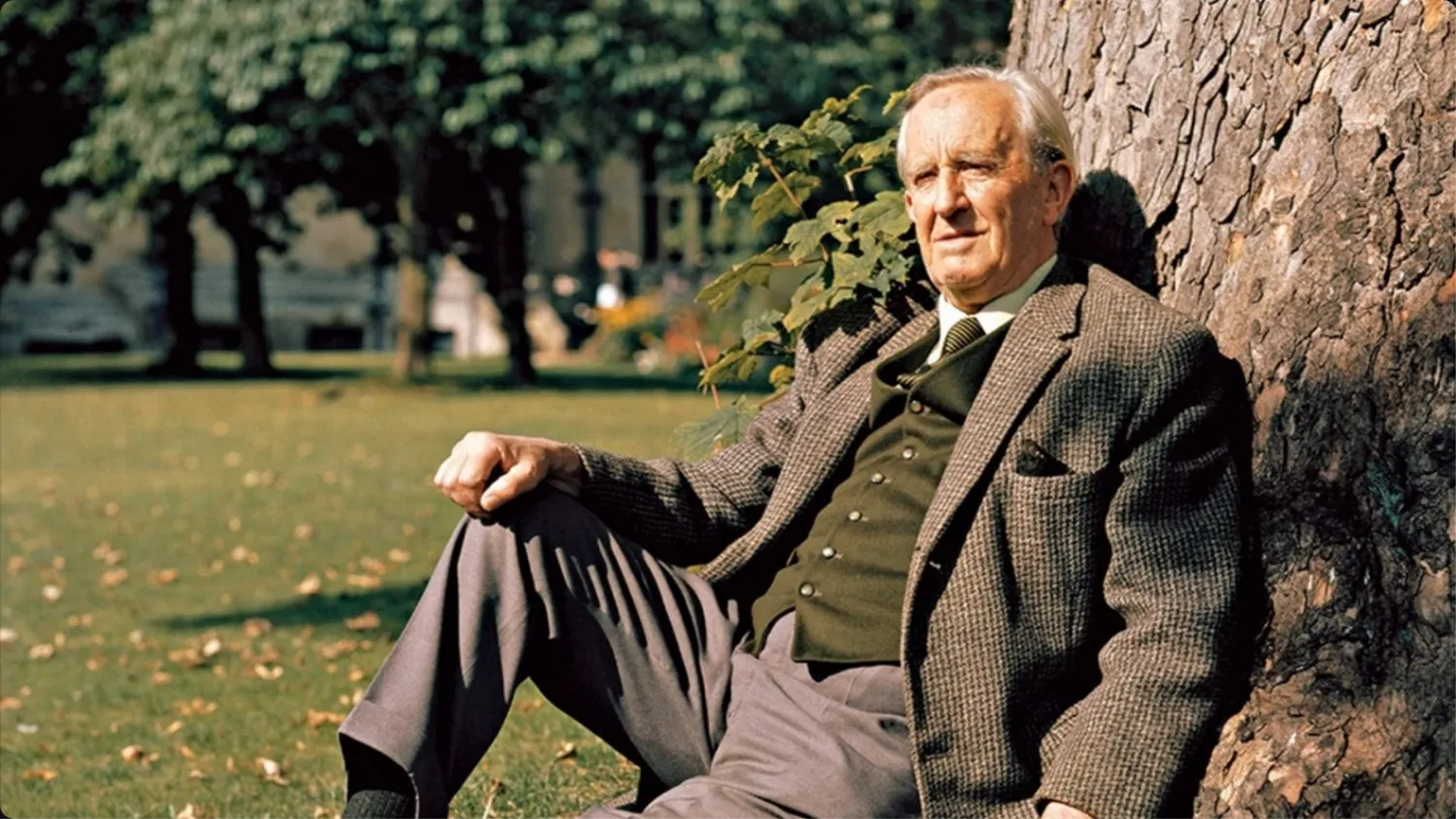
In many of his letters and in his fiction writing, Tolkien’s best-case use of such radical power is one where it is only in the hands of someone who with the wisdom and temperance to rarely use it and then only to combat prominent injustice. The Prince in Metaphor: ReFantazio at least partial takes this route. A step even more in this direction is Ranni, who in Elden Ring, can take power and retreat with it to leave people to direct their own lives and solve their own problems without the “guidance” of various gods, herself included, it seems.
Seat of Power
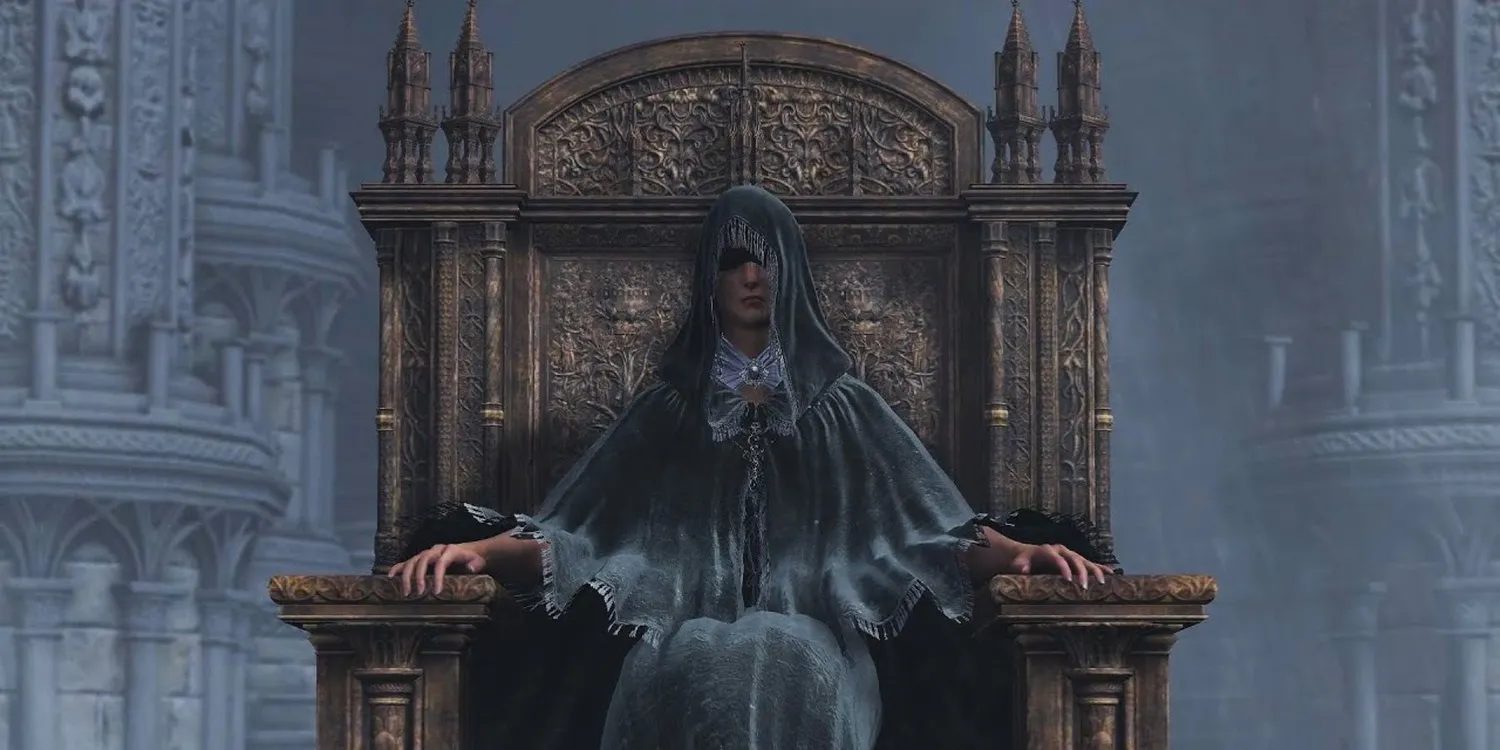
Lordship in these games is revealed as a flawed mechanism for social organization and conflict resolution. The order it seeks often creates oppression and conflict even when wielded with good intentions. If anything like human dignity and freedom are to be preserved, these supernatural means of rulership need to be curtailed, and the best outcomes in each game at least gesture toward this resolution. It will not create a utopia, but it will allow for a world where people can live and be the authors of their own destinies as much as possible.
© 2026 Seth Tomko