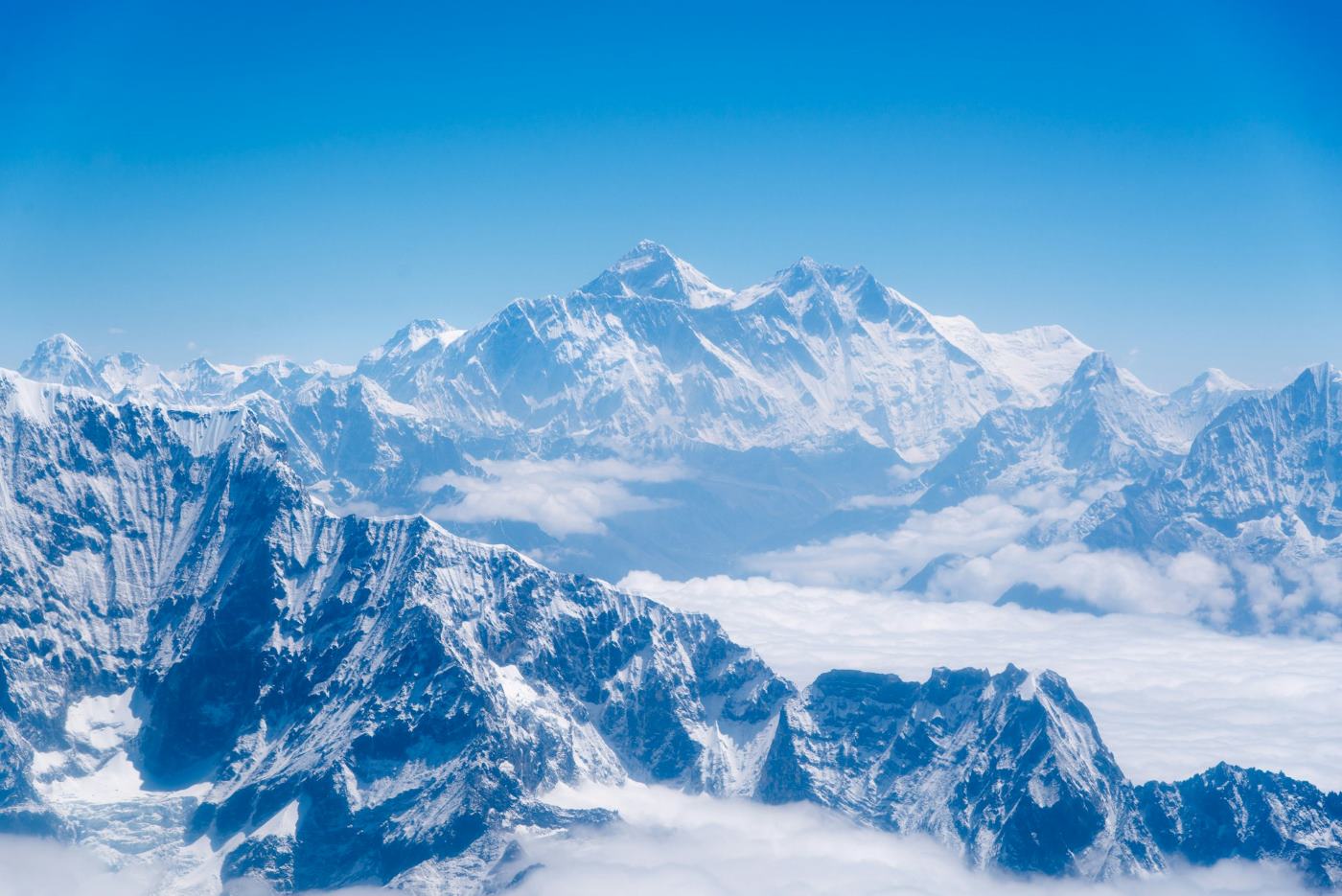
When it comes to adventure and mountaineering, peak climbing in Nepal stands out as one of the most exhilarating experiences on Earth. Nestled in the lap of the mighty Himalayas, Nepal offers a paradise for climbers, from first-timers to seasoned mountaineers. With over 1,300 peaks towering above 6,000 meters — and hundreds open for climbing — Nepal is a dream come true for thrill-seekers who want more than just trekking.
In this article, we’ll explore what peak climbing in Nepal is all about, the best peaks to climb, what you need to prepare, and why this majestic country should be on every adventurer’s bucket list.
What is Peak Climbing in Nepal?
Peak climbing in Nepal refers to the ascent of trekking peaks that range between 5,500 to 6,500 meters in altitude. These peaks are generally considered less technical than expedition-level mountains like Everest, but they still offer a serious challenge due to altitude, weather, and terrain.
The Nepal Mountaineering Association (NMA) classifies these peaks into Group A (Expedition Peaks) and Group B (Trekking Peaks). Group B peaks are the most popular among climbers who want to experience real Himalayan mountaineering without the extreme risks or costs associated with 8,000-meter giants.
Unlike traditional trekking, peak climbing involves technical climbing equipment, trained guides, and often the use of ropes, crampons, and ice axes. It’s a thrilling step above hiking and a stepping stone toward bigger expeditions.
Why Choose Nepal for Peak Climbing?
Nepal is often called the "roof of the world" for a reason. It is home to 8 of the 14 highest mountains on the planet, including Mount Everest. But beyond the big names, Nepal offers an incredible range of smaller, climbable peaks that are equally mesmerizing and challenging in their own right.
Here are a few reasons why Nepal is the best destination for peak climbing:
- Diverse Climbing Options: Whether you're a beginner or an experienced mountaineer, Nepal has peaks suited to your skill level.
- Scenic Landscapes: The routes to the peaks pass through lush forests, glacial rivers, high-altitude villages, and dramatic valleys.
- Rich Culture: Trekking and climbing in Nepal isn’t just about nature — it’s also a deep cultural journey through Sherpa villages, monasteries, and ancient trails.
- Well-Established Infrastructure: With experienced guides, porters, teahouses, and climbing gear available locally, organizing a peak climbing trip in Nepal is easier than you might think.
Top Peaks for Climbing in Nepal
If you're considering peak climbing in Nepal, here are some of the most popular and rewarding peaks to explore:
1. Island Peak (Imja Tse) – 6,189m
Island Peak is one of the most climbed trekking peaks in Nepal. Located in the Everest region, it offers breathtaking views of Everest, Lhotse, and Ama Dablam. Though technically not extremely difficult, climbers must be fit and ready for glacier travel and some steep sections.
2. Mera Peak – 6,476m
Known as the highest trekking peak in Nepal, Mera Peak provides stunning views of five 8,000-meter giants, including Everest, Kanchenjunga, and Makalu. The climb is considered straightforward but challenging due to its altitude.
3. Lobuche East – 6,119m
Close to Everest Base Camp, Lobuche East is a technical climb best suited for those with some prior experience. It’s often used by mountaineers as training before attempting Everest.
4. Pisang Peak – 6,091m
Located in the Annapurna region, Pisang Peak is a favorite among climbers for its relatively easy access and magnificent views of the Annapurna and Manaslu ranges. The trail passes through stunning alpine scenery and Tibetan-style villages.
5. Yala Peak – 5,520m
If you're a beginner looking to dip your toes into peak climbing, Yala Peak in the Langtang region is a great choice. It’s non-technical and doesn’t require prior mountaineering experience, yet it offers an incredible Himalayan panorama.
When is the Best Time for Peak Climbing in Nepal?
The ideal seasons for peak climbing in Nepal are spring (March to May) and autumn (September to November). During these months, the weather is generally stable, visibility is excellent, and the temperatures are more manageable.
- Spring: This is one of the busiest climbing seasons. The snow is more settled, and wildflowers are in bloom in the lower elevations.
- Autumn: Often considered the best season, autumn brings clear skies and dry weather, making it perfect for climbing and photography.
Winter and monsoon months are typically avoided due to harsh weather and poor visibility, although some experienced climbers attempt winter ascents for added challenge.
What You Need to Prepare
Peak climbing isn’t the same as trekking. It requires more preparation, both mentally and physically. Here’s a checklist of what you’ll need:
Physical Fitness
Train for several months with a mix of cardio, strength training, and hiking with a weighted backpack. Acclimatization is key, so choose itineraries that allow your body to adjust to the altitude.
Gear and Equipment
While some equipment can be rented in Kathmandu or Pokhara, you should bring personal essentials like:
- Climbing boots
- Down jacket and sleeping bag
- Harness, crampons, helmet
- Ice axe and ropes (usually provided by guides)
Permits and Documentation
For climbing NMA peaks, you’ll need:
- Climbing permit (fees vary by peak)
- Trekking permits (like TIMS card or conservation area permits)
- A licensed guide (mandatory for most climbs)
The Role of Guides and Porters
Hiring a certified guide isn’t just a formality — it’s a safety requirement. Nepal’s mountain terrain is unpredictable, and having an experienced guide ensures you stay on track, handle emergencies, and make safe decisions.
Porters can carry your gear, allowing you to focus on the climb. Many climbers choose to support the local economy by hiring Sherpa guides and porters, who bring invaluable experience and support to any expedition.
Safety Tips for Peak Climbing
- Acclimatize properly: Never rush your ascent. Altitude sickness is real and dangerous.
- Stay hydrated and well-fed: High-altitude climbing burns calories fast.
- Listen to your body: Turn back if symptoms of Acute Mountain Sickness (AMS) appear.
- Always have insurance: Make sure your travel insurance covers high-altitude climbing and emergency evacuation.
Final Thoughts
Peak climbing in Nepal is more than just a mountaineering adventure — it’s a life-changing journey through some of the world’s most beautiful and remote landscapes. Whether you're looking to take your first step into alpine climbing or preparing for bigger Himalayan expeditions, Nepal offers something truly extraordinary.
From the spiritual vibe of the mountains to the warmth of the local people and the adrenaline of the ascent, every moment is unforgettable. So lace up your boots, grab your gear, and get ready for the climb of a lifetime.