Post-demolition clean-up is a critical phase in any construction or redevelopment project. Once the heavy machinery has done its job and the structure has been brought down, what remains is often a mix of hazardous materials, rubble, dust, and waste. Properly managing this stage not only ensures a clean and safe environment for the next steps but also keeps the project in compliance with local regulations and environmental standards. From sorting and recycling to debris removal and surface preparation, effective site clean-up minimizes risks, improves efficiency, and can even reduce costs. Whether it’s a commercial teardown or a residential knockdown, adopting best practices for clean-up ensures smoother transitions and a more sustainable approach to redevelopment. This guide outlines the essential steps and expert-recommended techniques to streamline the post-demolition process while maintaining safety and organization throughout.
Conduct a Detailed Site Assessment
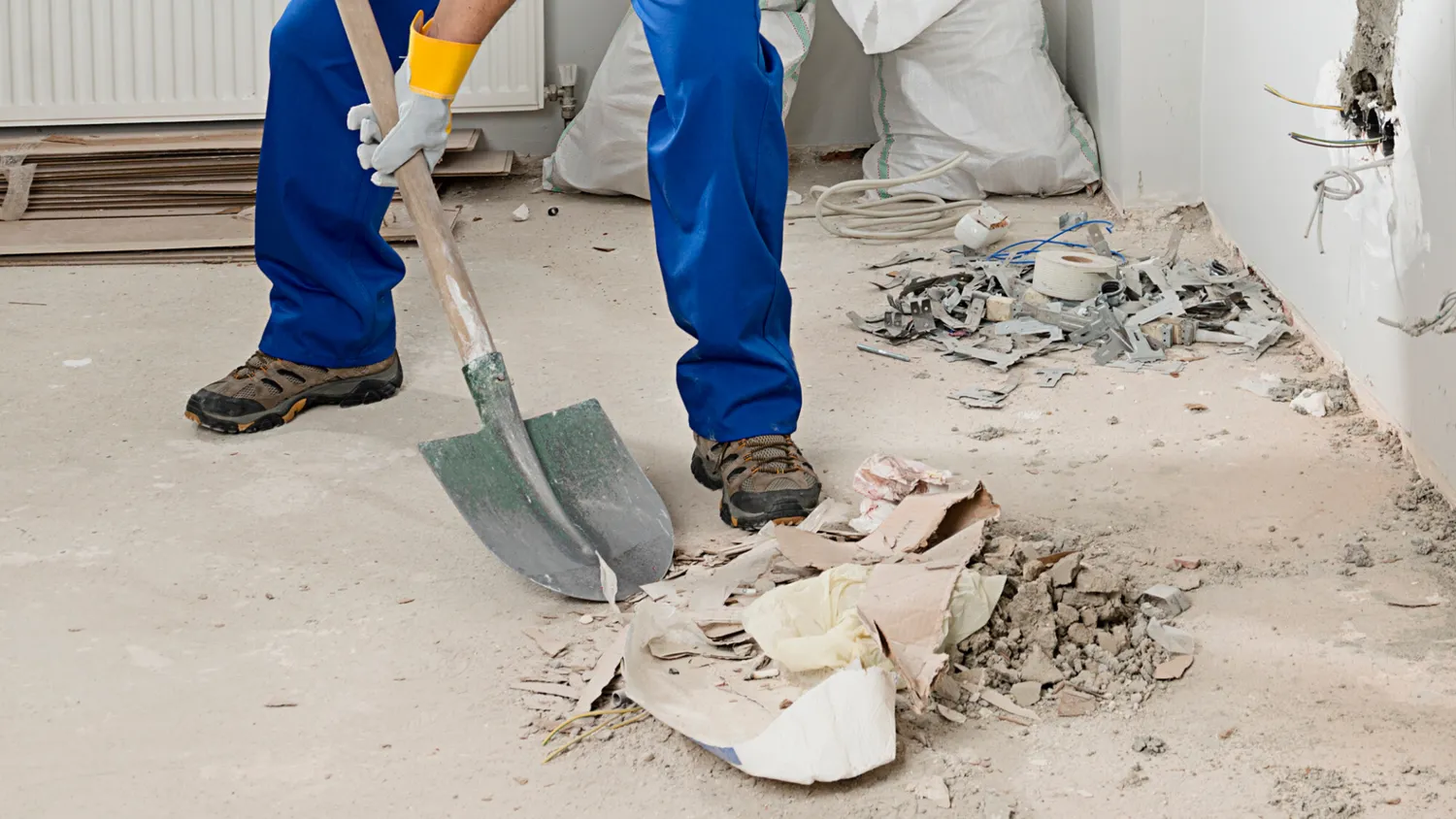
Before any clean-up begins, a thorough site assessment should be performed. This includes evaluating the scope of debris, identifying hazardous materials like asbestos, lead, or mold, and determining the type of equipment needed. Inspections should document what’s salvageable and what needs disposal. Conducting this evaluation helps establish an organized workflow, reduces surprises, and ensures that any health or environmental hazards are flagged early. Proper site assessment allows teams to segment tasks, assign responsibilities, and implement the appropriate waste management strategies based on the nature of the debris.
Prioritize Safety Protocols and Hazard Management
Safety is paramount during post-demolition clean-up. Workers should be equipped with appropriate personal protective equipment (PPE), including respirators, gloves, steel-toed boots, and high-visibility vests. Secure the perimeter with signage and barriers to restrict unauthorized access. Additionally, it’s crucial to handle hazardous waste separately. Materials such as old paint, fuel containers, or chemical residues must be managed according to regulatory guidelines. Dust suppression measures like water spraying should be used to prevent airborne particles from affecting nearby areas. Adhering to these safety protocols reduces accidents, protects workers, and minimizes environmental damage.
Efficient Sorting and Material Segregation
One of the best practices in post-demolition clean-up is the separation of materials into categories such as concrete, metal, wood, glass, and hazardous waste. Sorting on-site not only streamlines disposal but also promotes recycling and reuse. Reclaimed metal can be sold or reused in future builds, while clean concrete can be crushed and used as backfill. Dedicated areas should be designated for each waste type to avoid cross-contamination and to ease the hauling process. This organized approach supports environmental sustainability and can even offset disposal costs through material recovery.
Use of Specialized Equipment and Techniques
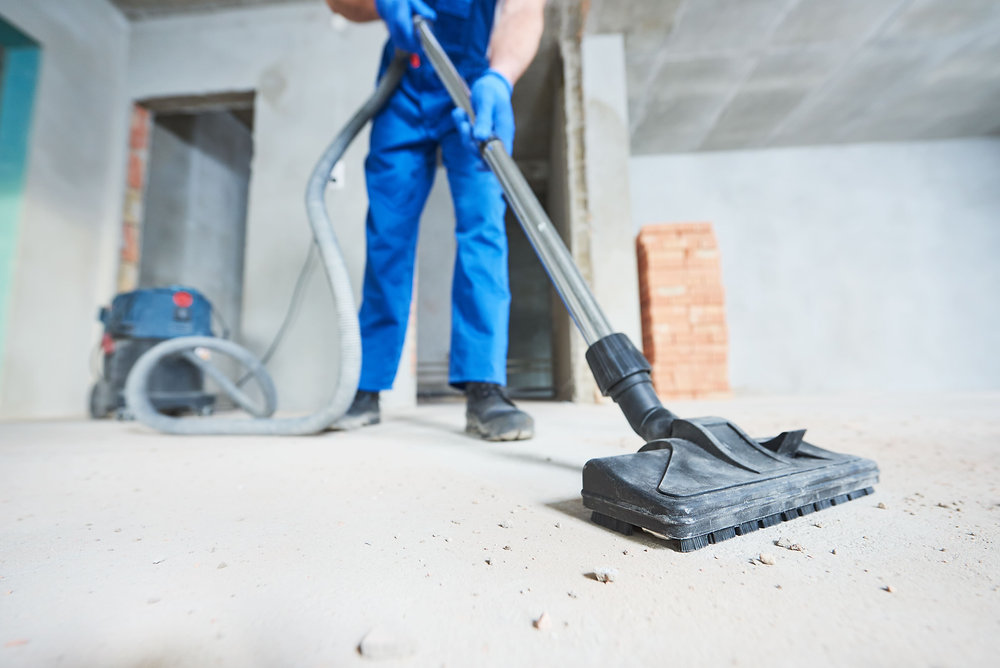
Heavy-duty equipment is essential for handling large volumes of debris efficiently. Excavators with grapples, bulldozers, and skid-steer loaders help in scooping, transferring, and compacting waste. For confined areas, manual labor complemented with wheelbarrows and hand tools may be more appropriate. Dumpsters, chutes, and conveyor systems further enhance clean-up operations, allowing for a quicker turnaround. In some cases, mobile screening machines are used to sift through fine rubble and recover usable aggregates. Choosing the right machinery reduces labor intensity and improves productivity. Visit here to know more.
Proper Disposal and Recycling Procedures
Once materials are sorted, it’s time for responsible disposal. Waste should be transported to approved landfill sites or recycling facilities in compliance with local regulations. Many regions require documentation and proof of proper disposal, especially for hazardous or electronic waste. Recycling facilities can process wood, metal, and concrete, diverting large volumes from landfills. It’s also recommended to coordinate with local waste management services to ensure bins and trucks are available when needed. Proper documentation and responsible handling avoid fines and support green building certifications.
Prepare the Site for Future Development
After all debris is removed, the final stage involves grading and soil stabilization. The ground should be leveled and compacted to ensure it can support the next phase of construction. At this stage, soil testing may also be conducted to verify it meets structural and environmental standards. Erosion control measures such as silt fences or geotextile fabric may be necessary, especially if new development is not immediate. Preparing the land properly sets a strong foundation and reduces complications during the construction phase.
Conclusion
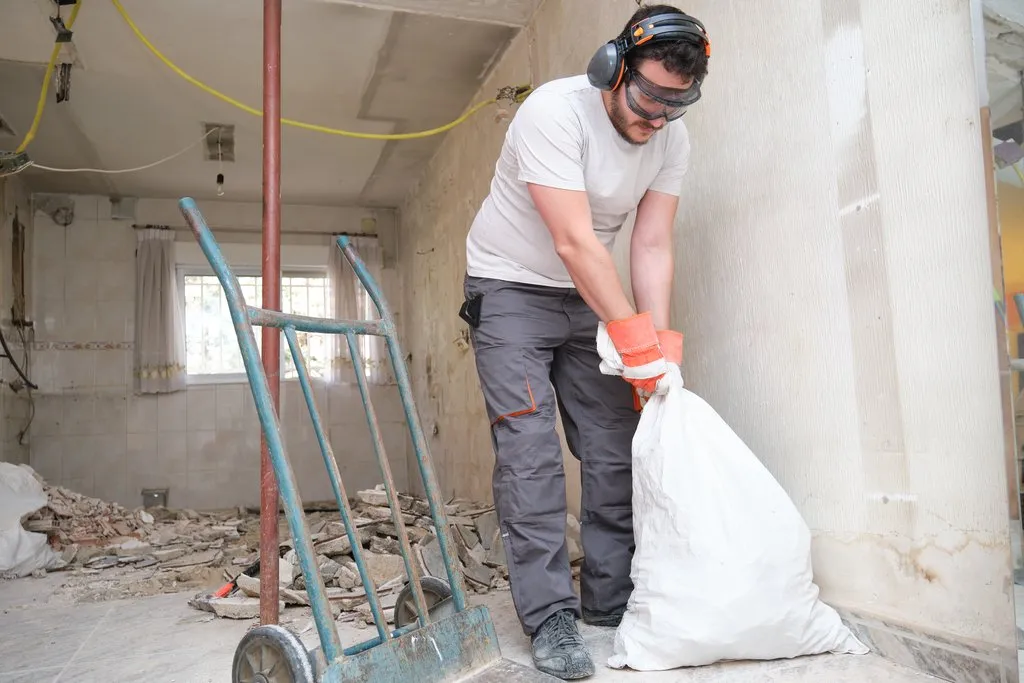
Post-demolition clean-up is more than just hauling away debris—it’s about creating a safe, clean, and prepared space for new possibilities. With a structured plan, the right equipment, safety precautions, and environmental awareness, the site can be efficiently restored, ready for its next transformation.