Maintaining a healthy aquarium is a fulfilling hobby that brings the beauty of aquatic life into your home. However, it requires careful attention to detail and knowledge about the ecosystem you are creating. This guide provides essential tips for beginners to ensure a thriving aquatic environment. Click here to learn more about maintaining a healthy aquarium - https://fishypro.com/
Selecting Your Aquarium and Ideal Location
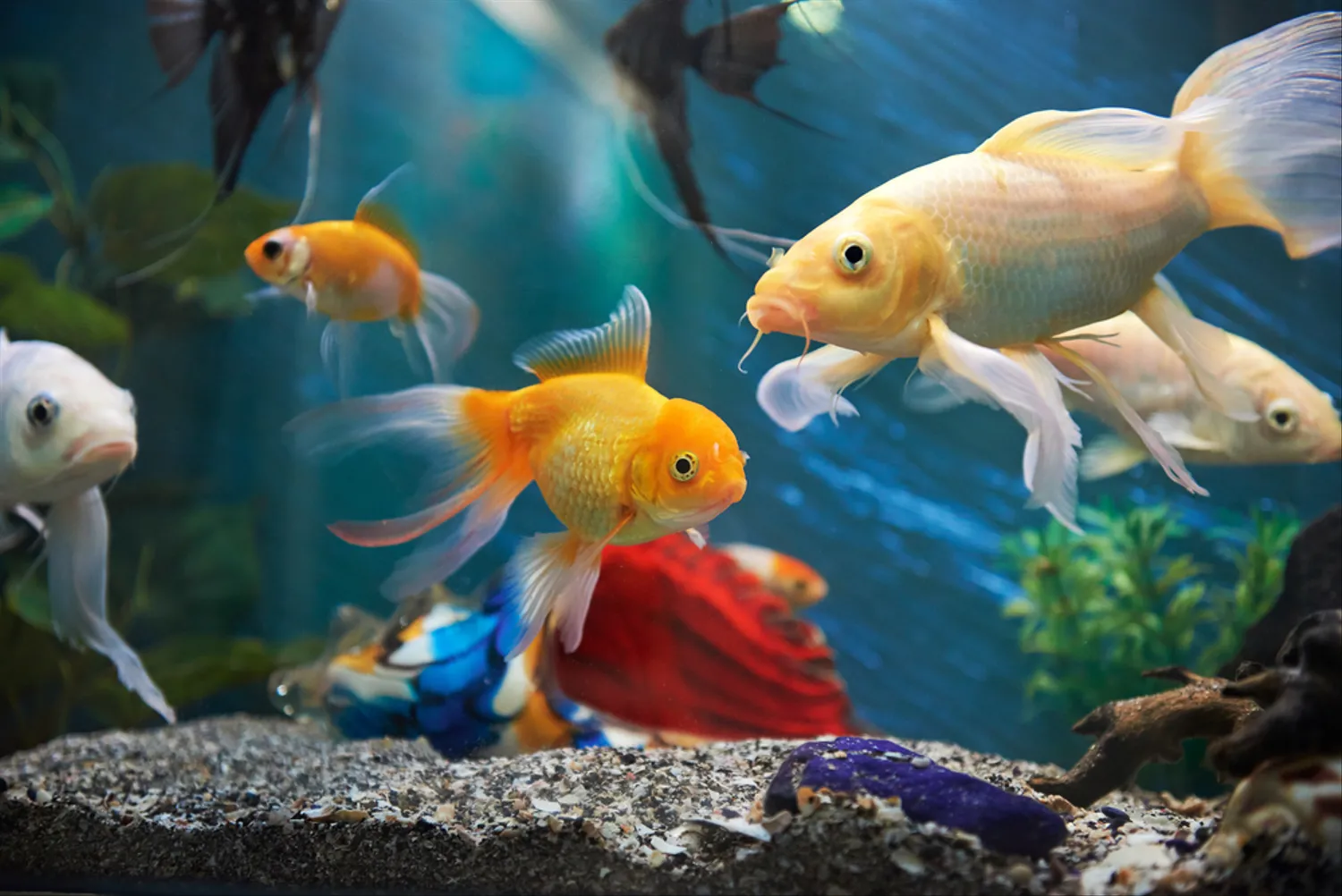
Selecting the appropriate aquarium is the first step. Generally, larger tanks are more stable and easier to maintain than smaller ones. A 20-gallon tank is a good starting size for beginners. Place the aquarium in a location away from direct sunlight, which can cause excessive algae growth, and ensure it's on a sturdy surface to handle the weight.
Ensuring Optimal Water Quality
The key to a healthy aquarium is maintaining good water quality. This involves regular water testing and changes. Test the water weekly for pH, ammonia, nitrites, and nitrates using a water testing kit. Ideally, pH should be between 6.5 and 7.5, ammonia and nitrites at zero, and nitrates below 20 ppm. Change 10-20% of the water weekly to keep these parameters stable.
Understanding Filtration Essentials
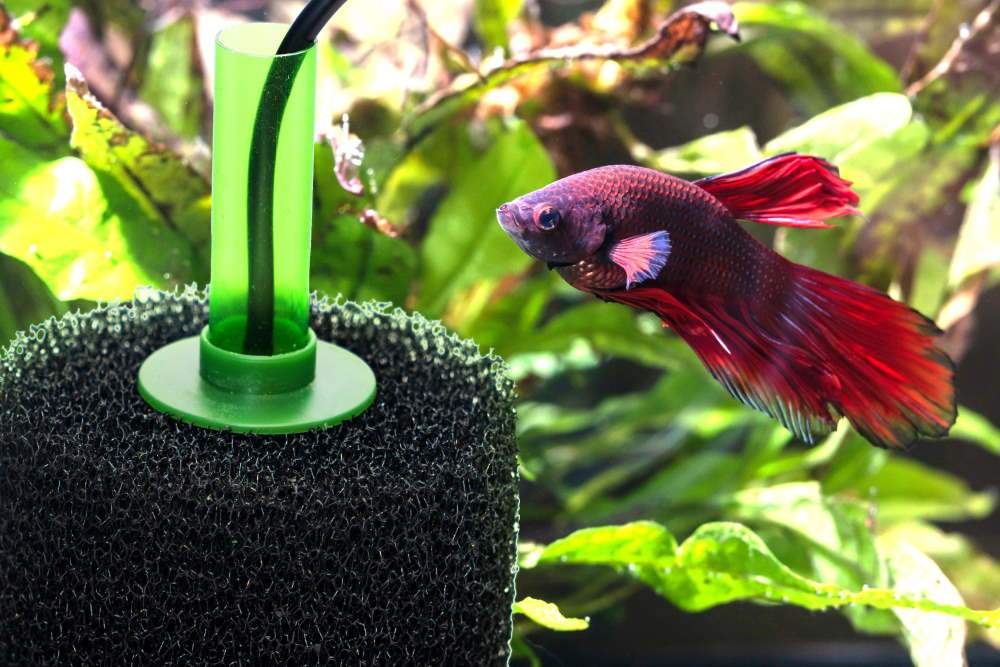
Adequate filtration is crucial for removing waste, excess food, and harmful chemicals. There are three types of filtration: mechanical, chemical, and biological. Mechanical filters remove physical debris, chemical filters purify water by removing toxins, and biological filters convert harmful ammonia and nitrites into less harmful nitrates. Ensure your filter is appropriate for the size of your aquarium and maintain it according to the manufacturer's instructions.
Regulating Temperature for Aquatic Health
Most aquarium fish thrive in a specific temperature range. Tropical fish, for example, require a warmer environment, typically between 75-80°F (24-27°C). A reliable aquarium heater and a thermometer are essential to maintain a consistent temperature suitable for your fish species.
Effective Aquarium Lighting Techniques
Proper lighting is essential for the health of plants and fish. It regulates the biological cycles of the inhabitants and aids in plant photosynthesis. However, too much light can promote the growth of algae. Typically, lighting should be on for about 8-12 hours a day. Use a timer to maintain a consistent light cycle.
Balancing Your Aquatic Ecosystem
Stocking your aquarium with the right amount and type of fish is vital. Overstocking can lead to poor water quality and stress among fish. Research the fish species you are interested in to ensure they are compatible and have similar water condition requirements. Also, introduce fish to the aquarium gradually to avoid overloading the system.
Feeding Practices and Fish Nutrition
Feed your fish a varied diet appropriate for their species. Overfeeding is a common mistake among beginners and can lead to poor water quality. Feed small amounts that your fish can consume in a few minutes, once or twice a day. Remove any uneaten food to prevent it from decomposing in the tank.
Incorporating and Caring for Aquatic Plants
Live plants not only enhance the beauty of an aquarium but also contribute to the ecosystem by producing oxygen and absorbing nitrates. Choose plants that are suitable for your aquarium's lighting and water conditions. Regularly trim dead leaves and manage plant growth to ensure they don't overrun the tank.
Commitment to Regular Aquarium Upkeep
Regular maintenance is crucial for a healthy aquarium. This includes cleaning the glass, trimming plants, vacuuming the substrate, and checking the equipment. Keep a maintenance schedule to stay on track with these tasks.
Wrapping Up: The Joy of Aquarium Keeping
Creating and maintaining a healthy aquarium environment is a rewarding experience that requires dedication and patience. By following these guidelines, beginners can ensure a thriving aquatic habitat that is both beautiful and healthy for its inhabitants. Remember, each aquarium is unique, so continue learning and adjusting your maintenance routine to meet the specific needs of your aquatic ecosystem.