When it comes to vehicle maintenance, few components are as crucial to your safety as the brakes. Regular brake services are essential for ensuring your vehicle remains responsive, efficient, and safe on the road. Whether you’re commuting daily or embarking on long journeys, maintaining your braking system is a priority every driver should uphold.
What Are Brake Services?
Brake services encompass a range of maintenance and repair tasks designed to keep your braking system functioning optimally. This includes inspecting the brake pads, rotors, and fluid, as well as addressing any wear and tear that might compromise performance. Timely servicing not only prevents costly repairs but also safeguards your safety by ensuring the brakes respond effectively in emergencies.
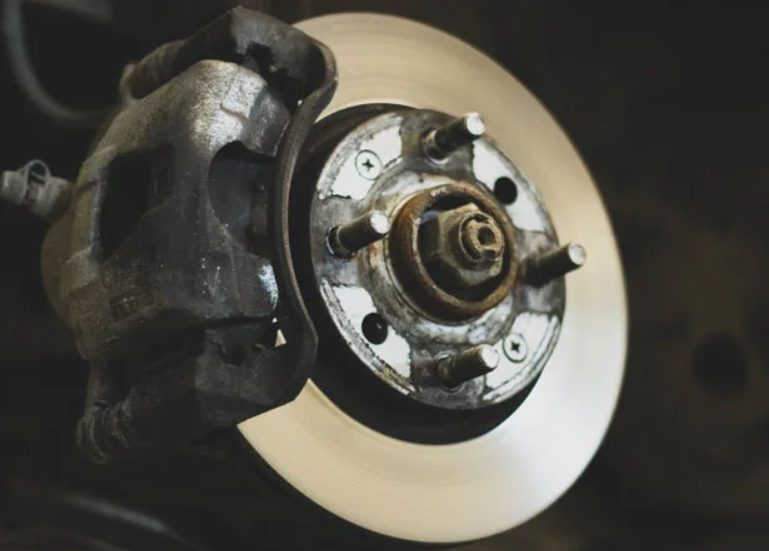
Key Components of the Braking System
- Brake Pads: These provide the friction necessary to slow down or stop your vehicle. Over time, they wear out and require replacement.
- Rotors: These metal discs work in tandem with the brake pads. Warping or excessive wear can lead to reduced braking efficiency.
- Brake Fluid: This hydraulic fluid transfers the force from the brake pedal to the calipers. Contaminated or low brake fluid can cause brake failure.
- Calipers: These squeeze the brake pads against the rotors, creating the friction needed to stop the vehicle.
Signs You Need Brake Services
Recognizing the signs of a failing braking system can save you from hazardous situations and expensive repairs. Here are some common indicators:
- Squeaking or Grinding Noises: Unusual sounds when braking often indicate worn-out pads or damaged rotors.
- Vibration When Braking: This could signify warped rotors or issues with the brake calipers.
- Spongy Brake Pedal: A soft or spongy pedal feel suggests air in the brake lines or low brake fluid.
- Longer Stopping Distance: Reduced braking efficiency is a clear sign that service is overdue.
- Warning Lights: Most modern vehicles have sensors that alert you to braking issues via dashboard lights.
Benefits of Regular Brake Maintenance
- Enhanced Safety: Properly maintained brakes ensure your vehicle stops effectively, reducing the risk of accidents.
- Cost Savings: Addressing minor issues early prevents expensive repairs down the line.
- Improved Performance: Regular servicing keeps your vehicle running smoothly and efficiently.
- Prolonged Lifespan: Routine checks and replacements extend the life of your braking system components.
Types of Brake Services
1. Brake Inspection
A thorough inspection identifies potential issues before they escalate. This involves checking the pads, rotors, fluid, and overall system functionality.
2. Brake Pad Replacement
Worn-out pads are replaced to ensure effective braking. Mechanics use high-quality materials for durability and performance.
3. Rotor Resurfacing or Replacement
Warped or excessively worn rotors are either resurfaced or replaced to restore smooth braking.
4. Brake Fluid Flush
Old or contaminated fluid is drained and replaced to maintain hydraulic efficiency and prevent system failure.
5. Caliper Repair or Replacement
Faulty calipers are repaired or replaced to ensure they apply the correct pressure to the pads and rotors.
DIY vs. Professional Brake Services
While some brake maintenance tasks can be performed at home, such as topping off brake fluid, professional services are often necessary for more complex repairs. Certified mechanics have the expertise and tools to diagnose and fix issues accurately, ensuring optimal safety and performance.
When to Opt for Professional Services
- Persistent noises or vibrations
- Uneven brake pad wear
- Dashboard warning lights
- Any noticeable decline in braking performance
How Often Should You Get Brake Services?
The frequency of brake services depends on several factors, including your driving habits, vehicle type, and road conditions. As a general rule:
- Brake Pads: Check every 10,000 to 20,000 miles.
- Rotors: Inspect every 50,000 to 70,000 miles.
- Brake Fluid: Replace every 2 to 3 years or as recommended by the manufacturer.
Regular inspections during routine oil changes or tire rotations can help identify potential issues early.
Choosing the Right Service Center
Selecting a reliable service center ensures your vehicle receives quality care. Here’s what to consider:
- Certifications: Look for ASE-certified mechanics who specialize in brake services.
- Reputation: Read reviews and ask for recommendations from trusted sources.
- Transparent Pricing: A trustworthy service center provides clear estimates and explanations of necessary repairs.
- Warranty: Ensure the shop offers a warranty on parts and labor for added peace of mind.
The Role of Preventative Maintenance
Preventative maintenance plays a significant role in keeping your braking system in top shape. Simple practices like driving cautiously, avoiding hard braking, and addressing minor issues promptly can significantly extend the life of your brakes.
Final Thoughts
Your brakes are your vehicle’s most critical safety feature. Prioritizing regular brake services not only ensures your safety but also enhances your vehicle’s performance and longevity. Trusting certified mechanics and adhering to a consistent maintenance schedule will keep your braking system reliable and efficient. For expert care, always rely on seasoned professionals, including those recognized as battery repair experts, who often provide comprehensive services beyond brake maintenance.