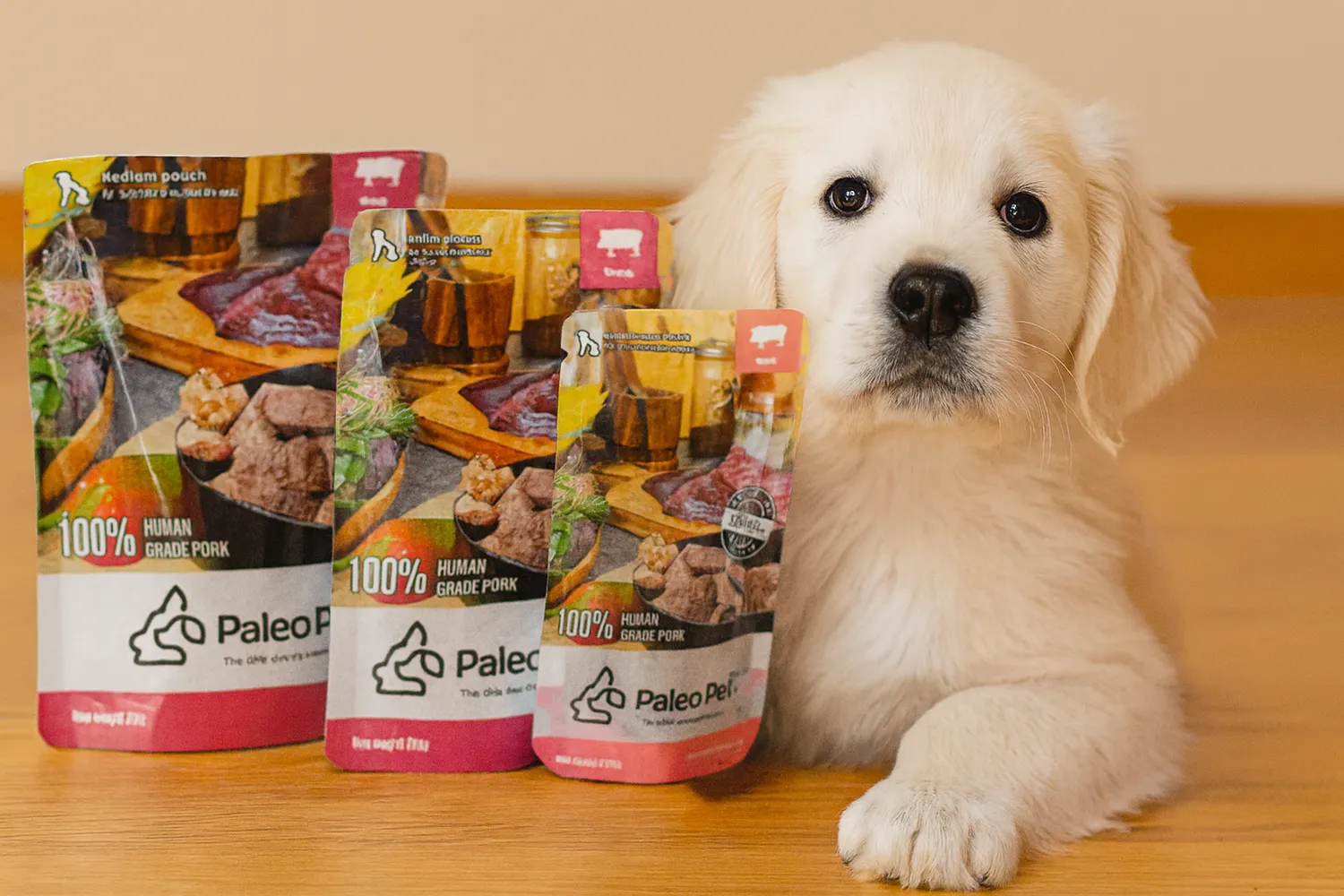
1. Introduction: Why Choosing the Right Food Matters
Have you ever wondered if your puppy is getting the right food for healthy growth? Every dog owner wants their pup to grow strong, happy, and full of energy. But not all foods are made equal. What your puppy eats today plays a huge role in their development, from strong bones to a shiny coat and a healthy immune system.
Choosing the right puppy dog food is one of the most important decisions you’ll make. It’s not just about filling their bowl; it’s about fueling their growth with the nutrients they need. With so many options in stores, it can be overwhelming but with the right guidance, you can make the best choice for your furry companion.
2. Understanding Your Puppy’s Nutritional Needs
Puppies are like children; they grow fast and need proper nutrition to support that growth. Here’s what a good diet should include:
- Protein: Essential for muscle development and repair. Look for animal-based sources like chicken, beef, or fish.
- Calcium and Phosphorus: Helps strengthen bones and teeth.
- Healthy Fats: Provides energy and supports brain function.
- Vitamins and Minerals: Boosts immunity and keeps the coat shiny.
Portion size also matters. Small breeds may need smaller but more frequent meals, while larger breeds benefit from balanced portions to avoid obesity or bone issues.
Always follow feeding guidelines on the packaging and adjust based on your vet’s advice. Remember, every puppy’s needs are different depending on breed, activity level, and growth stage.
3. Types of Puppy Food: Dry, Wet, and Semi-Moist
Not all puppy food looks the same, and that’s because it’s designed to serve different needs.
- Dry Food (Kibble):
- Convenient, easy to store, and great for dental health since it helps clean teeth.
- Usually more affordable and has a longer shelf life.
- Wet Food:
- Moist, flavorful, and easier to chew, especially ideal for small or picky eaters.
- Great for keeping your puppy hydrated and can be mixed with dry food for variety.
- Semi-Moist Food:
- Has a soft texture and strong aroma but often contains more preservatives and sugar.
If your puppy is still adjusting to eating solids, introducing wet dog food alongside kibble can make the transition smoother. Mixing both can balance texture, flavor, and nutrition just to ensure portion sizes remain appropriate.
4. Key Ingredients to Look For (and Avoid)
When checking labels, focus on quality ingredients rather than fancy packaging. The first ingredient should always be a real protein source.
Good Ingredients:
- Real meat (chicken, beef, or fish)
- Whole grains like brown rice or oats
- Omega fatty acids for coat and brain health
- Fruits and vegetables for vitamins and fiber
Avoid:
- Fillers such as corn or soy
- Artificial colors and flavors
- Too much salt or sugar
- Meat by-products or unidentified “meal” ingredients
Tip: A short, clean ingredient list is usually a good sign of quality.
5. Why Premium Choices Are Worth It
While it might be tempting to grab the cheapest bag on the shelf, investing in premium dog food is worth it in the long run. Premium options often contain better-quality proteins, natural ingredients, and fewer fillers meaning your puppy gets more nutrition in every bite.
Benefits of premium food include:
- Better digestion and nutrient absorption
- Shinier coat and healthier skin
- Stronger immune system and consistent energy
- Smaller, firmer stools (less mess to clean up!)
If you’re unsure which brand to choose, talk to your vet. They can recommend one based on your puppy’s breed, age, and health condition.
6. How to Transition to New Food Safely
Switching to a new dog food should never be done overnight. Puppies have sensitive stomachs, and sudden changes can cause vomiting or diarrhea.
Watch for signs of good adjustment, healthy stool, steady energy, and good appetite. If your puppy shows signs of allergy or discomfort (scratching, gas, loose stools), consult your vet and reconsider the brand or ingredients.
7. Common Mistakes to Avoid
Even well-meaning owners can make feeding mistakes. Here are a few to avoid:
- Overfeeding: Puppies should be chubby but not overweight. Follow the feeding guide carefully.
- Switching foods too often: Constantly changing brands can upset your puppy’s digestion.
- Ignoring hydration: Always ensure clean water is available, especially when feeding dry food.
- Skipping exercise: A balanced diet must go hand in hand with physical activity.
- Not checking ingredients: Some brands use low-quality fillers that don’t support growth.
8. Conclusion: Set Your Pup Up for a Healthy Future
Your puppy depends on you to make smart, loving choices and that starts with what goes in their bowl. The best puppy dog food isn’t always the most expensive one, but the one that truly meets their nutritional needs.
By choosing quality ingredients, following portion guidelines, and observing how your pup reacts to their food, you’re giving them the best start in life. Remember, food shapes your puppy’s health, energy, and happiness.
Start with small, consistent improvements today your growing pup will thank you with wagging tails and endless love.