When it comes to caring for children, emergencies can happen at any time. Whether you are a parent, teacher, nursery worker, childminder, or nanny, having the right training can make a life-saving difference. That’s why enrolling in high-quality paediatric first aid courses is essential. However, with so many training providers across the UK, choosing the right course can feel overwhelming.
In this comprehensive guide, we’ll explore everything you need to know about selecting the best paediatric first aid courses in the UK, including accreditation, course content, cost, flexibility, and practical assessment requirements.
1. Check for Ofsted and EYFS Compliance
The first and most important step is ensuring the course meets UK legal and regulatory standards. If you work in childcare settings, your training must comply with the Early Years Foundation Stage (EYFS) framework.
High-quality paediatric first aid courses should:
- Be fully compliant with EYFS requirements
- Cover at least 12 hours of training (usually delivered over 2 days)
- Include practical, face-to-face assessment
If you are an Ofsted-registered childminder or nursery staff member, make sure the provider clearly states that the course meets Ofsted and EYFS guidelines.
2. Verify Accreditation and Certification
Accreditation is a critical factor when choosing paediatric first aid courses. A reputable course provider should be regulated by a recognised awarding body in the UK.
Look for courses accredited by organisations such as:
- Qualsafe Awards
- Highfield Qualifications
- First Aid Awards
Accredited courses ensure:
- National recognition
- Standardised training quality
- A valid certificate (usually lasting 3 years)
Avoid providers that do not clearly mention their accreditation status.
3. Review the Course Content
Not all paediatric first aid courses offer the same depth of training. A high-quality course should cover both infant and child first aid procedures.
Essential topics should include:
- CPR for babies and children
- Using an Automated External Defibrillator (AED)
- Choking management
- Allergic reactions and anaphylaxis
- Asthma attacks
- Seizures
- Burns and scalds
- Head injuries
- Bleeding and shock
- Meningitis awareness
If you are working in a nursery or school environment, comprehensive coverage is vital because you may encounter a wide range of medical emergencies.
4. Choose Between Blended and Face-to-Face Learning
Many training providers now offer blended learning options, combining online theory with in-person practical sessions. While this can be convenient, make sure the course still meets regulatory standards.
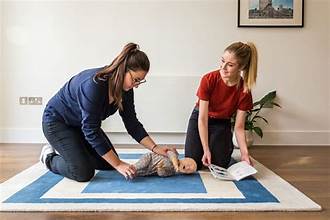
Face-to-face practical sessions are essential because:
- You need hands-on CPR practice
- Instructors assess your technique
- Real-life emergency scenarios are simulated
If flexibility is important due to work or family commitments, blended paediatric first aid courses may be ideal. However, always confirm that the practical assessment is conducted in person.
5. Consider the Trainer’s Experience
The quality of training often depends on the instructor’s expertise. Look for providers whose trainers have:
- Real-world medical or emergency response experience
- Teaching qualifications
- Up-to-date first aid knowledge
Experienced trainers make sessions engaging and practical rather than purely theoretical. They can also share real-life examples that improve understanding and confidence.
6. Compare Course Costs (Without Compromising Quality)
Prices for paediatric first aid courses in the UK typically range between £80 and £150. While affordability matters, avoid choosing a course based solely on price.
Cheaper courses may:
- Lack proper accreditation
- Offer limited hands-on training
- Provide inadequate course materials
Instead, compare what’s included in the fee:
- Certification cost
- Training materials
- Refreshments
- Ongoing support
Investing in high-quality training is ultimately an investment in child safety.
7. Check Location and Accessibility
If you are based in a major city like London, Manchester, or Birmingham, you’ll likely have multiple training centres nearby. However, those in rural areas may need to travel.
When choosing paediatric first aid courses, consider:
- Proximity to your home or workplace
- Public transport links
- Parking availability
- Weekend or evening course options
Some providers also offer on-site group training for nurseries or schools, which can be convenient and cost-effective.
8. Read Reviews and Testimonials
Before booking, research the provider’s reputation. Check:
- Google reviews
- Trustpilot ratings
- Social media feedback
- Testimonials on the provider’s website
Positive feedback often highlights:
- Clear instruction
- Supportive trainers
- Practical, hands-on learning
- Good organisation
Consistent positive reviews indicate a reliable course provider.
9. Understand Certificate Validity and Renewal
Most paediatric first aid courses provide certificates valid for three years. After this period, you must complete a full refresher course.
Some providers offer reminders when your certification is about to expire. This is helpful for childcare professionals who must maintain continuous compliance.
Additionally, consider whether the provider offers discounted refresher training for returning learners.
10. Assess Class Size and Learning Environment
Smaller class sizes allow for more individual attention during practical assessments. Ideally, classes should have manageable student numbers so that:
- Everyone gets sufficient CPR practice
- Trainers can observe technique closely
- Questions are addressed thoroughly
An interactive learning environment improves both confidence and competence.
Why Choosing the Right Course Matters
Selecting the right paediatric first aid courses is not just about meeting regulatory requirements — it’s about being prepared to act decisively during emergencies. Proper training can:
- Save a child’s life
- Reduce panic in critical situations
- Improve workplace safety
- Increase parental trust in childcare settings
When children are involved, there is no room for compromise.
Final Checklist Before Booking
Before enrolling, make sure you can confidently answer “yes” to the following:
✔ Is the course EYFS compliant?
✔ Is it accredited by a recognised UK awarding body?
✔ Does it include at least 12 hours of training?
✔ Are practical assessments conducted in person?
✔ Are the trainers qualified and experienced?
✔ Are reviews generally positive?
If all these boxes are ticked, you’re likely choosing one of the best paediatric first aid courses available.
Conclusion
Choosing the best paediatric first aid courses in the UK requires careful research and consideration. From accreditation and compliance to course content and trainer experience, every factor plays a role in ensuring you receive high-quality, reliable training.
Whether you are a parent wanting peace of mind or a childcare professional meeting legal requirements, investing in the right course can make a life-saving difference. Take your time, compare options, and prioritise quality over cost — because when it comes to children’s safety, the best preparation is always worth it.