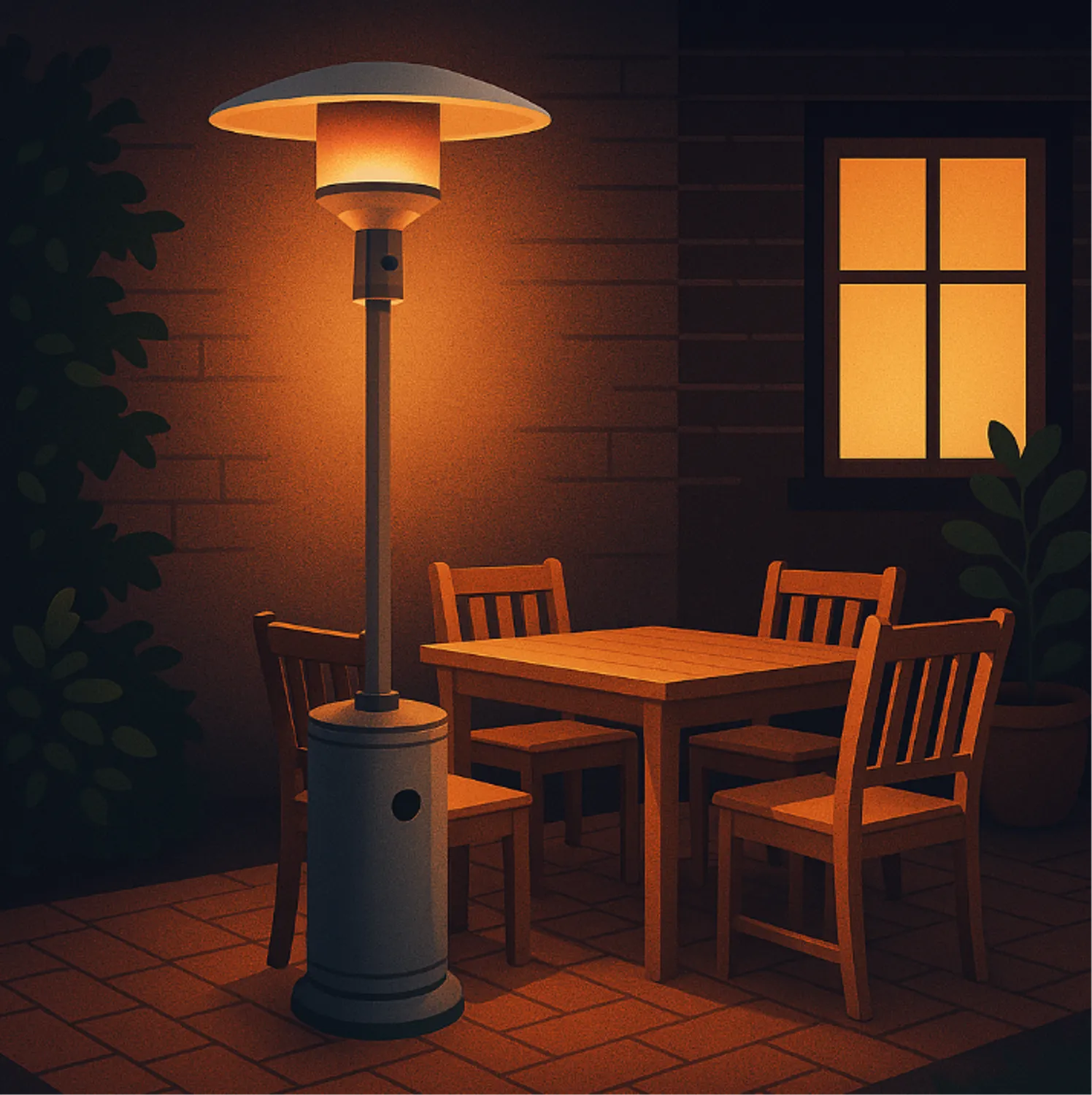
Cold weather doesn’t mean giving up outdoor living space. A propane gas patio heater can turn a chilly deck or patio into a cozy spot for year-round enjoyment.
Before buying one, understanding the key features helps make the right choice for any outdoor space.
These outdoor heating solutions have become increasingly popular as more people want to spend time outside regardless of the temperature.
Heat Output and Coverage Area
BTU Rating Matters
The BTU (British Thermal Unit) rating tells how much heat the unit produces. Most residential propane patio heaters range from 30,000 to 50,000 BTUs.
Bigger spaces need more BTUs to stay warm. A 40,000 BTU heater typically warms a 15-foot circle effectively. The right BTU rating depends on factors like typical wind conditions and how much area needs heating.
Heat Distribution Design
The shape and style of the heater affect how warmth spreads. Dome-top models send heat downward in a circle, while directional heaters focus warmth in one area.
Some newer designs use reflective panels to spread heat more evenly across the space. Understanding heat distribution patterns helps position the heater for maximum comfort.
Multiple smaller units often work better than one large heater for irregular spaces.
Safety Features Worth Having
Tilt Protection
Wind can knock over tall patio heaters. Good models shut off automatically if they tip. This simple feature prevents accidents and gives peace of mind during breezy evenings.
Some units include additional wind resistance features like wider bases or lower centers of gravity. Regular stability checks help prevent problems before they start.
Cool-Touch Housing
Quality propane gas patio heaters use double-wall construction or protective grills. These features keep the outer surface cooler, reducing burn risks for people and pets who might bump into the unit.
The best designs maintain safety without sacrificing heating efficiency. Look for models that balance protection with performance.
Key safety features include:
- Automatic shut-off valves
- Sturdy, weighted base
- Protective mesh screens
- Child-safe control access
- Heat-resistant finish
Construction and Durability
Weather-Resistant Materials
Outdoor heaters face rain, sun, and changing temperatures. Stainless steel and powder-coated aluminum resist rust better than plain steel.
These materials might cost more upfront but last longer outdoors. The coating quality matters as much as the base material — poor finishing leads to early deterioration.
Some manufacturers offer specific marine-grade finishes for coastal areas where salt air creates extra challenges.
Portable vs. Permanent Models
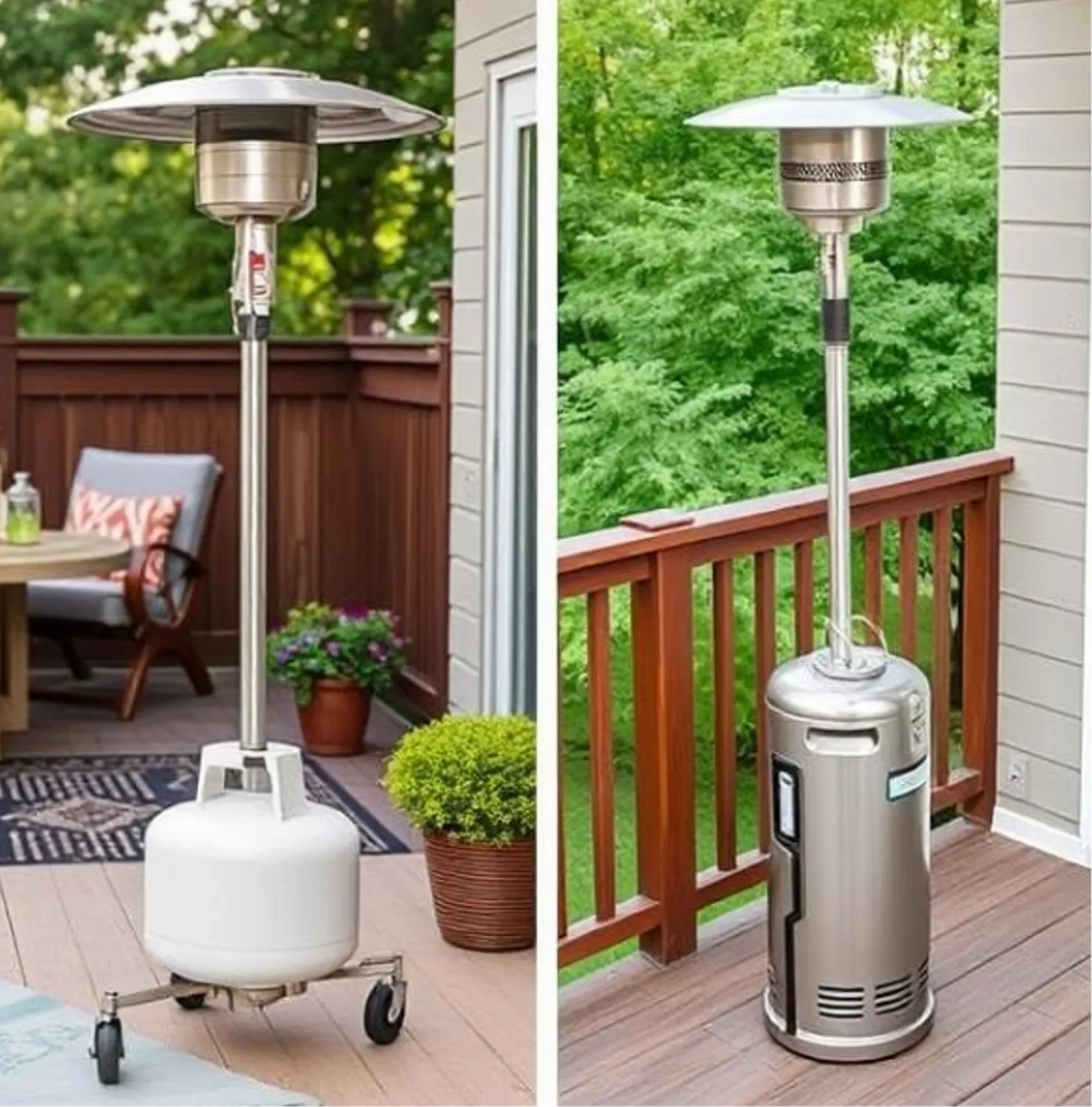
Moving needs influence heater choice. Some propane patio heaters have wheels for easy storage. Others mount permanently to decks or walls.
Think about winter storage and how often the heater might need moving. Storage location affects durability too — covered storage extends unit life considerably.
Consider available space and seasonal needs when choosing between fixed and portable options.
Practical Operating Features
Easy Start Systems
Nobody wants to struggle with matches in the cold. Modern heaters offer:
- Push-button ignition
- Battery-powered starters
- Pilot light indicators
- Simple control knobs
- Quick-start guides
The reliability of the ignition system makes a big difference in daily use. Better systems work consistently even in damp or windy conditions. Regular maintenance keeps starters working properly season after season.
Fuel Efficiency
Better designs burn propane more efficiently. Look for models with adjustable flame controls and proper insulation.
This helps save money on fuel while maintaining comfortable temperatures. Some units include programmable timers or thermostats to prevent wasted fuel.
Consider how fuel consumption changes at different power settings when comparing models.
Style and Design Options
Matching Outdoor Décor
Patio heaters come in various finishes and styles. Bronze, silver, and matte black options blend with different outdoor furniture.
Some models feature decorative details that add visual interest while providing warmth.
The right finish complements existing outdoor décor without drawing unnecessary attention to the heating unit. Consider how the heater looks both when operating and when idle.
Size Considerations
Height and footprint matter in tight spaces. Standard tower heaters stand about 7 feet tall. Table-top versions work better under covered areas or on small patios.
Consider doorway clearance and storage space when choosing size. Measure all clearances carefully — remember that safe operation requires space around the unit.
Factor in both the physical size and the heating pattern when planning placement.
Maintenance Requirements
Regular Care Needs
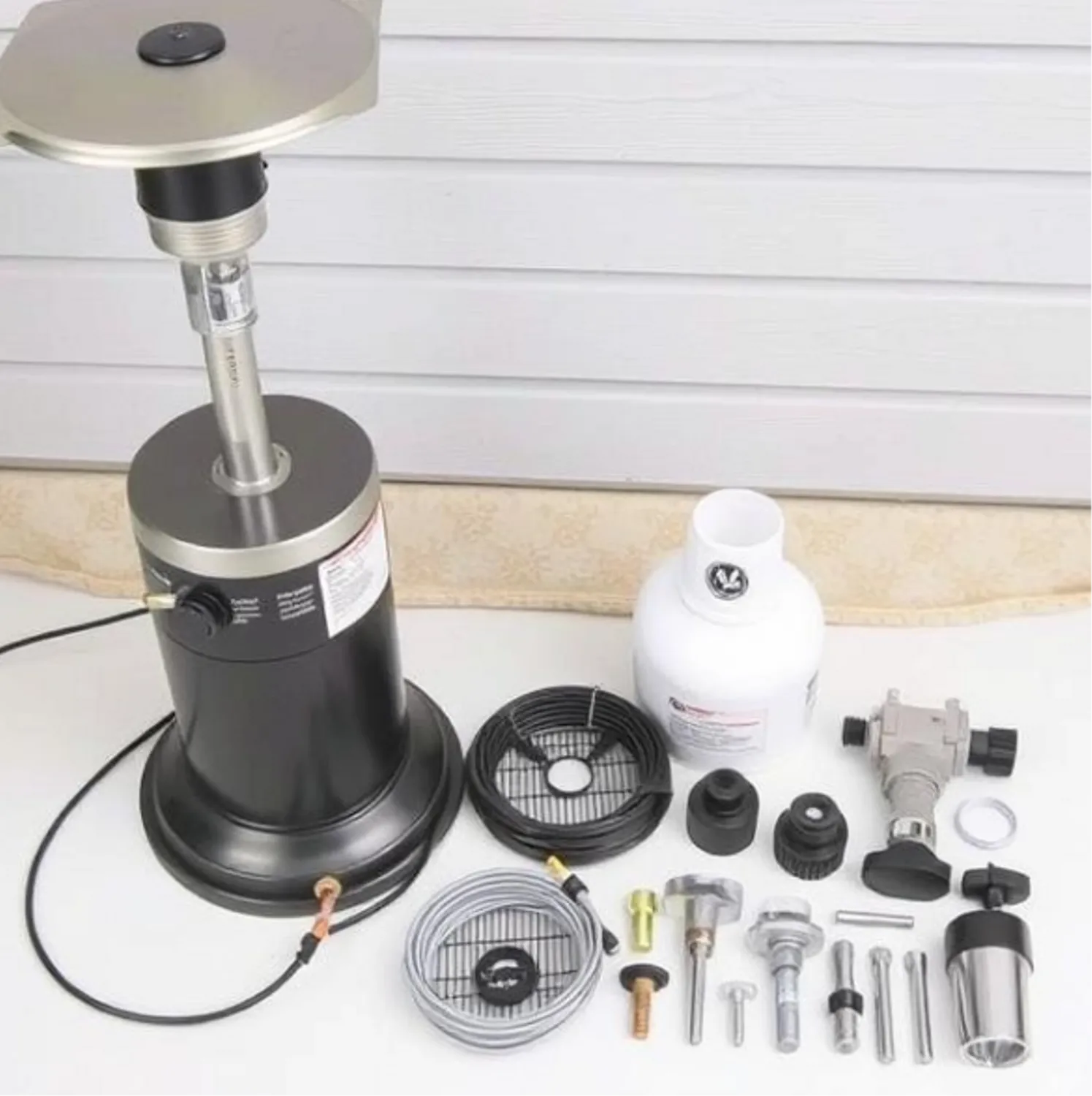
Clean burners and check connections regularly to keep the heater working well. Most models need basic maintenance like:
- Dust and debris removal
- Propane tank inspection
- Burner cleaning
- Connection tightening
- Weather protection
A good maintenance schedule extends unit life significantly. Keep spare parts for common maintenance needs on hand to avoid delays when something needs attention.
Replacement Parts
Quality heaters offer available replacement parts. Check what components the manufacturer stocks. This helps extend the heater’s life through simple repairs rather than full replacement.
The availability of parts often indicates overall unit quality. Consider the cost and availability of common replacement items when comparing models.
Making the Final Choice
Consider space size, typical weather conditions, and usage patterns when selecting a propane gas patio heater. Remember that higher quality often means better durability and performance.
The right heater creates a comfortable outdoor space that extends patio season well beyond summer months. Take time to research different models and read reviews from long-term users.
Long-Term Value
While budget matters, very cheap heaters often disappoint. A well-made unit costs more upfront but provides better heating, lasts longer, and stays safer.
Plus, efficient models use less propane, saving money over time. Factor in expected maintenance costs and typical fuel consumption when comparing total ownership costs.
Getting Started
Once the heater arrives, read the manual carefully. Place the unit in a proper spot with good ventilation and clearance. Run a test burn to ensure everything works correctly.
Then enjoy the comfort of outdoor living, even when temperatures drop. Keep the manual handy for reference and maintain a regular inspection schedule to catch potential issues early.