The movement of goods between Singapore and Malaysia relies on a coordinated approach to logistics that balances speed, cost, and regulatory compliance. As digital systems become more integrated with physical transport networks, supply chain managers have new opportunities to refine their distribution models. This article explores the practical aspects of cross-border freight, offering guidance on route selection, customs procedures, and the technologies that help ensure shipments arrive safely and on schedule.
Key Takeaways:
- Road transport provides a balanced approach to transit speed and expenditure for regional trade.
- Digital customs declarations help to decrease waiting times at border checkpoints.
- Both dedicated and shared truckloads offer flexible solutions for different shipment volumes.
- Accurate commodity coding prevents administrative penalties during customs clearance.
- Sensor-based tracking systems are now standard for monitoring supply chain integrity.
The Value of Road Networks for Regional Trade
The geographical proximity of Singapore to Peninsular Malaysia makes land transport a practical choice for most commercial shipments. While air freight remains suitable for urgent medical supplies or highly perishable goods, road haulage functions as the central artery of the regional economy. Moving shipments directly from a warehouse to a manufacturing facility removes the intermediate handling stages typically required at airports or seaports. This direct approach reduces the likelihood of transit damage and simplifies the chain of custody. The ongoing development of cross-border infrastructure, including designated economic zones, supports this method by offering streamlined lanes for compliant commercial vehicles. For logistics professionals, road transport offers a reliable mode that facilitates time-definite schedules and supports lean manufacturing principles.
Analysing distribution costs is a fundamental exercise for procurement teams aiming to manage their supply chain budgets effectively. Road haulage generally operates on a transparent pricing structure, calculated according to the vehicle type or the volume of space required. This predictability contrasts with air freight, which often includes variable fuel surcharges and terminal handling fees. Transporting commercial goods by road offers noticeable savings, particularly for dense or bulky items. Indirect financial benefits also enhance the appeal of land transport. Standard industrial packaging is usually adequate for trucking, whereas air freight requires lightweight, specialised materials to minimise volumetric charges. Furthermore, the door-to-door capability of trucking removes the need for separate final-mile arrangements at the destination, consolidating the total financial outlay into a single manageable cost.
Implementing a Dependable Cargo Delivery Service
When businesses expand their trading activities across the peninsula, securing a reliable cargo delivery service becomes a central pillar of their operational strategy. Companies must evaluate their specific volume requirements and dispatch frequencies to select the most appropriate transport arrangement. Whether moving temperature-sensitive pharmaceutical products or bulk industrial materials, the chosen haulage solution must accommodate the physical characteristics of the goods being transported. Transport operators typically offer adaptable services, adjusting container sizes and weight limits to suit varying client needs. Clear communication between the shipper and the transport provider ensures that vehicle allocations match the daily shipping volume accurately. This collaborative method allows companies to scale their distribution efforts in response to market fluctuations without experiencing operational bottlenecks.
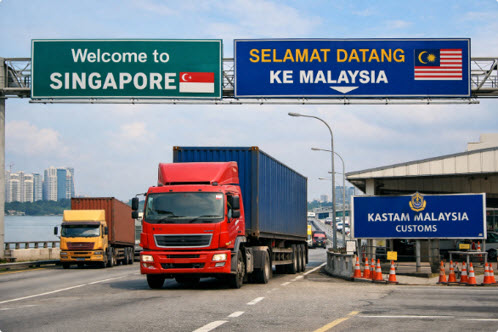
The integration of digital tools has improved the reliability of cargo delivery services in recent years. Customers now expect real-time updates on their shipment status, from the moment goods are collected until they reach their final destination. Transport providers have responded by implementing tracking systems that share location data and estimated arrival times through online portals or mobile applications. This transparency helps businesses plan their receiving schedules more effectively, reducing warehouse idle time and improving overall efficiency. When selecting a transport partner, companies should consider the provider's technology infrastructure alongside their fleet capacity and industry experience. A provider that invests in digital connectivity can offer greater visibility and more responsive communication throughout the delivery process.
Navigating Digital Customs and Border Requirements
Crossing international checkpoints involves strict regulatory compliance and careful attention to documentation. The transition towards digital trade systems has made electronic declarations the standard for regional shipments. Essential paperwork, including commercial invoices and packing lists, must be prepared with accuracy. Discrepancies in harmonised system codes or declared commodity values often trigger delays at the Tuas or Woodlands checkpoints. Additionally, ensuring that weight declarations are precise helps to prevent administrative hold-ups and potential fines. To manage these risks, many organisations partner with logistics providers that hold specific compliance certifications. These credentials demonstrate adherence to international security standards, which can lead to expedited clearance and fewer physical inspections. Using digital freight platforms that connect with national customs systems allows shippers to verify their documentation before the vehicle reaches the border, reducing the risk of administrative congestion.
Customs authorities in both countries continue to modernise their inspection procedures and data requirements. Staying informed about regulatory changes is essential for maintaining smooth cross-border operations. Transport providers often assist their clients by monitoring updates to customs regulations and advising on necessary adjustments to documentation practices. This proactive approach helps prevent unexpected delays caused by non-compliant paperwork. For businesses that ship frequently, establishing a consistent documentation process and maintaining accurate records of past shipments can streamline future crossings. Regular communication with customs brokers or experienced transport partners ensures that any changes in requirements are addressed promptly, keeping supply chains moving efficiently.
Selecting Between Dedicated and Shared Transport
Choosing the correct vehicle allocation is a core component of supply chain planning. Dedicated transport is the standard choice for substantial shipments or high-value items requiring a sealed environment from origin to destination. This method offers efficient transit times and an elevated level of security, as the goods remain undisturbed throughout the journey. The vehicle is assigned exclusively to one customer's cargo, eliminating the need for intermediate stops at consolidation facilities. For businesses shipping consistent volumes or sensitive materials, dedicated transport provides the control and predictability needed to maintain service quality.
Shared transport services are suitable for businesses moving smaller volumes or requiring frequent dispatches. By sharing vehicle space with other shippers, companies only pay for the capacity their goods actually occupy. The expansion of e-commerce has increased demand for this type of service, leading to regular, scheduled departures that offer flexibility without the expense of a full vehicle. Consolidation centres play an important role in this model, efficiently grouping shipments headed in the same direction. For logistics managers, shared transport provides a way to respond to market demand efficiently while keeping transportation costs aligned with shipment sizes. This approach works well for businesses with variable shipping volumes or those testing new markets where demand patterns are still emerging.
Tracking Technologies and Supply Chain Visibility
Visibility across the supply chain is a fundamental requirement for contemporary businesses. Modern cross-border shipments rely on advanced telematics and sensor networks that supply real-time data regarding vehicle location, internal temperature, and ambient humidity. For the pharmaceutical and food sectors, temperature-controlled transport is essential to maintain product integrity throughout the journey. Automated systems can alert transport managers to any deviation from required parameters, enabling corrective action before the goods are compromised. This level of monitoring assures that sensitive products will arrive in proper condition, meeting both regulatory standards and customer expectations.
This visibility also extends to physical security measures. Contemporary containers frequently feature electronic seals and shock sensors that record any unauthorised access or rough handling during transit. Analysing this data allows businesses to identify patterns, evaluate carrier performance, and refine their delivery schedules to improve overall operational efficiency. Furthermore, integrating this tracking information with customer-facing platforms can enhance end-user satisfaction by providing accurate arrival estimates. When customers can see the progress of their shipment in real time, they can plan their receiving activities more effectively, reducing uncertainty and improving the overall experience of the delivery process.
Environmental Considerations in Road Haulage
Sustainability is a growing priority for corporate logistics, with many organisations actively monitoring their environmental impact. The road transport sector is adapting by deploying fuel-efficient prime movers and using route optimisation software to reduce empty-mile running. For regional trade, land-based solutions generally present a lower carbon footprint per tonne-kilometre compared to air freight, making them a more environmentally sound choice for most shipments. Efficiency and sustainability often work together in this sector. Improving load factors and reducing vehicle idling times at border crossings simultaneously lowers operational costs and decreases exhaust emissions.
The gradual integration of alternative energy solutions into commercial fleets represents an important step in future-proofing the regional trade corridor. Several transport providers are testing electric or hybrid vehicles for shorter routes, while others are exploring the use of biofuels in their existing fleets. These initiatives help align logistics operations with corporate environmental goals and respond to growing customer expectations around sustainable business practices. For companies evaluating transport partners, asking about environmental policies and fleet modernisation plans can provide insight into a provider's long-term approach to sustainability. Choosing a partner committed to reducing emissions supports both environmental objectives and operational efficiency.
Preparing for Future Logistics Infrastructure
The physical and digital infrastructure supporting regional trade continues to evolve. The expansion of automated trade platforms and the development of special economic zones suggest that border crossings will become increasingly seamless over time. For logistics professionals, staying informed about technological and regulatory trends remains essential. Training personnel to handle new digital compliance systems will be a crucial factor in maintaining operational speed as requirements change. The focus will likely remain on reducing transit times, increasing transparency, and ensuring that transport networks can support modern economic demands.
By focusing on the fundamentals of road freight, maintaining regulatory compliance, and using data to improve visibility, businesses can build a resilient supply chain that supports sustainable commercial growth. Regular reviews of transport performance, open communication with logistics partners, and a willingness to adopt new technologies all contribute to long-term success in cross-border trade. As the region continues to develop its infrastructure and digital capabilities, companies that invest in strong transport foundations will be well-positioned to adapt and thrive in the changing logistics landscape.
Read another Article: Singapore Container Trucking Guide