Rejuvenating your appearance without undergoing surgery has become increasingly accessible within Singapore's highly regulated medical aesthetic market. As we age, our skin naturally loses the structural proteins required to maintain firmness, leading to noticeable sagging around the jawline, neck, and brow. While traditional surgical facelifts were once the only viable option, modern medical technology now offers sophisticated alternatives that work deeply beneath the skin surface. This guide explores how advanced energy-based procedures can help you restore your youthful contours with minimal disruption to your daily routine.
Understanding the clinical landscape is essential for anyone seeking safe and effective results. In a city known for its medical excellence, patients are presented with a variety of choices, ranging from light-based lasers to deep-tissue ultrasound technology. Making an informed decision involves evaluating the qualifications of the medical team and the authenticity of the equipment used. By focusing on evidence-based practices and professional integrity, you can navigate your aesthetic journey with confidence, ensuring that your skin health is managed by experts who prioritise patient safety and clinical standards above all else.
Key Takeaways:
- Verify that the clinic is registered with the Singapore Medical Council (SMC).
- Ultherapy Prime is 20 per cent faster and more efficient than previous legacy systems.
- Real-time ultrasound imaging ensures therapeutic energy is delivered with absolute precision.
- Structural results emerge gradually over several months through natural collagen stimulation.
- Always check that the medical devices used are HSA-approved for patient safety.
The Science of Non-Invasive Skin Lifting in Singapore
Achieving a visible lift without making a single incision is possible thanks to the innovative application of focused ultrasound energy. This technology works by delivering heat to the deeper foundations of the skin, precisely targeting the superficial muscular aponeurotic system, or SMAS layer. By reaching these focal points, the procedure initiates a biological repair cycle that prompts the immediate contraction of existing collagen while setting the stage for the production of fresh, high-quality protein fibres. This internal scaffolding is what provides the structural support needed to counteract the effects of gravity on the face and neck.
The biological response, known as collagen stimulation, is a gradual process that ensures the transition to a more youthful appearance looks entirely natural. Unlike some treatments that only address the epidermis, ultrasound technology penetrates deeply to ensure the results are rooted in the physical restoration of the skin's internal architecture. Over the course of three to six months following the session, the newly formed matrix of collagen and elastin matures, leading to skin that is visibly firmer and more resilient. This method of non-invasive skin lifting Singapore residents prefer offers a discreet way to manage ageing without the tell-tale signs of surgery.
Comparing Ultherapy vs Other Treatment Options
When evaluating different methods for facial rejuvenation, it is common to compare the merits of ultrasound energy against radiofrequency or laser-based systems. While lasers are excellent for refining the skin surface and addressing pigmentation, they often lack the depth required to provide a significant structural lift. Radiofrequency treatments can tighten the skin, but they typically heat the tissue more generally rather than focusing on specific deep-tissue layers. An Ultherapy treatment remains unique because it provides the only FDA-cleared method for non-surgically lifting the brow, chin, and neck through high-intensity focal points.
Many clinicians recommend a multi-modal strategy to achieve the most balanced and comprehensive results. For example, while ultrasound energy addresses deep-tissue laxity, bio-remodelling injectables or dermal fillers like Juvederm can be used to restore lost volume in the cheeks or under the eyes. Surface-level concerns, such as redness or sunspots, might be managed with a dual yellow laser or a pico laser session. By understanding how Ultherapy compares to other treatments, you can work with your doctor to create a bespoke roadmap that addresses both the structural drape and the visual clarity of your complexion.
What to Look for in a Trusted Aesthetic Clinic
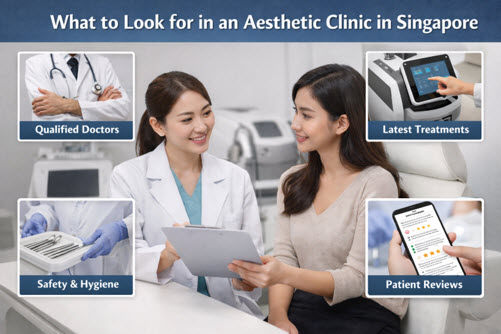
Selecting the right facility for your aesthetic enhancements is a decision that impacts both your safety and the quality of your results. In Singapore, it is a legal requirement that all medical aesthetic procedures are performed by doctors who are registered with the Singapore Medical Council. These practitioners should also possess specific certificates of competence for the technologies they operate. A reputable clinic, such as Astique Clinic, will maintain a professional environment that prioritises clinical hygiene and patient well-being, ensuring that every session is conducted under the highest medical standards.
Transparency during the initial consultation is another hallmark of a professional medical practice. A trustworthy doctor will take the time to conduct a thorough diagnostic assessment, explaining the "why" behind every recommendation rather than simply listing services. They should provide clear information regarding the potential risks, the science behind the technology, and a transparent breakdown of the costs involved. Avoiding establishments that use high-pressure sales tactics is essential for your peace of mind. By choosing a provider that values patient education and clinical integrity, you secure a partnership that is dedicated to your long-term skin health.
The Evolution of Ultherapy Prime Technology
The introduction of the Prime generation of ultrasound platforms has significantly enhanced the efficiency of the clinical experience for patients. This latest version is engineered to be 20 per cent faster than previous legacy systems, allowing a full face and neck session to be completed in a much shorter timeframe. Despite the increased speed, the procedure maintains the same long-lasting lifting results that have made it a global standard for non-surgical care. This advancement makes it much easier for busy professionals to incorporate a maintenance session into their schedules without sacrificing efficacy.
A defining feature of this sophisticated technology is the integration of real-time digital imaging, which provides a live view of the tissue layers throughout the procedure. This visualisation allows the practitioner to deposit energy precisely where it will be most beneficial, avoiding sensitive structures such as bone or nerves. This level of anatomical oversight is vital for delivering a truly personalised Ultherapy treatment that accounts for the unique variations in every individual's facial structure. This data-driven approach removes much of the guesswork, providing a safer and more effective session that produces consistent and predictable lifting results.
Preparing for Your Procedure and Recovery
Ideal candidates for ultrasound-based lifting are typically those experiencing mild to moderate skin laxity who wish to postpone or avoid invasive surgical intervention. During the session, which usually lasts between 30 and 90 minutes, a topical numbing cream is applied to ensure the experience is as manageable as possible. While most patients experience some mild heat or tingling as the energy pulses reach the targeted depths, the sensation is brief. The lack of significant downtime is one of the most appealing aspects of an Ultherapy treatment, as patients can return to their social and professional activities immediately.
Post-procedure care is straightforward and primarily involves maintaining a healthy skincare routine and protecting the skin from environmental damage. You might notice some temporary redness or slight swelling in the treated areas, but these effects generally resolve within a few hours or days. Protecting your investment requires the daily application of a broad-spectrum sunscreen to shield the newly formed collagen from ultraviolet degradation. By following the aftercare protocol provided by your doctor and attending follow-up checks, you can ensure that your skin remains resilient and firm for a year or even longer as the regenerative process continues.
FAQs
1. What is the difference between Ultherapy and Ultherapy Prime? Ultherapy Prime is the latest version of these treatments. It is faster, more precise, and uses a smaller transducer to target more delicate areas compared to legacy systems. It also allows for enhanced personalisation with improved comfort and minimal downtime.
2. Is the Ultherapy treatment painful? It is tailored to be less painful than legacy treatments. Most patients do experience mild discomfort during the procedure. The sensation of heat or tingling is usually brief and mild. Topical numbing cream may be applied to enhance comfort.
3. Who is a good candidate for this procedure? This is suitable for those with mild to moderate skin laxity who are looking for a non-surgical option to tighten and lift their skin. It is safe for most skin types and tones. A consultation with a doctor can help determine suitability.
4. How long do the lifting results last? Experience the same long-lasting results you love, all in just one session. It is safe and effective for all skin tones, with results that can last a year or more as the natural collagen continues to support the skin.
5. Are there any risks or side effects? The procedure is generally safe with minimal risks. Possible side effects include temporary redness, swelling, or discomfort in the treated area. Serious complications are rare, but discussing potential risks with your doctor is important for a safe experience.
Read another Article: Quality Aesthetic Treatments and Rejuvenation in Singapore