Maintaining healthy ears is essential for people of all ages, yet the significance of preventative ear care is often overlooked until discomfort or hearing loss occurs. In Singapore, the combination of high humidity and a bustling urban environment can contribute to various ear-related challenges, ranging from common swimmer's ear to more complex middle ear infections. Understanding the symptoms, causes, and treatment options is vital for long-term auditory wellness. Whether you are dealing with a temporary blockage or a chronic condition, knowing how to protect your ears can prevent complications and ensure your hearing remains sharp. This guide provides a comprehensive overview of strategies to reduce the risk of infections and the professional pathways available for those seeking a dedicated ear specialist Singapore.
Key Takeaways:
- High humidity in Singapore increases the likelihood of bacterial and fungal growth in the ear canal.
- Middle ear infections are often secondary to respiratory issues like the common cold or flu.
- Avoid using cotton swabs as they can push wax deeper and cause injuries to the ear canal.
- Persistent ear pain, discharge, or sudden hearing changes require immediate clinical attention.
- Modern diagnostic tools allow for the precise identification of both conductive and sensorineural issues.
Understanding the biological basis of ear infections
The human ear is a complex organ divided into three main sections: the outer, middle, and inner ear. Each part plays a specific role in hearing and balance, but each is also susceptible to different types of infections. The outer ear canal is particularly vulnerable to moisture, which can break down the protective skin barrier and allow bacteria to enter. This is commonly known as otitis externa or swimmer's ear. In a tropical climate, this condition is frequent because moisture from perspiration or swimming often lingers in the canal, creating an ideal environment for infection to take hold.
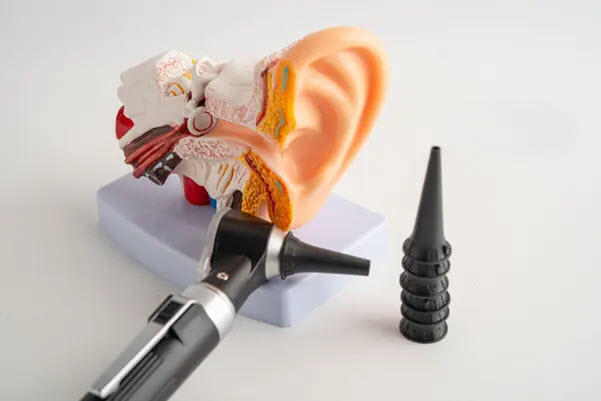
In contrast, middle ear infections, or otitis media, occur behind the eardrum. This area is connected to the back of the throat by the Eustachian tube, which manages air pressure and fluid drainage. When this tube becomes blocked due to a cold, allergy, or sinus infection, fluid builds up and can become infected. This results in pressure, pain, and muffled hearing. Because the health of the ears is so closely linked to the respiratory system, managing overall wellness is the first step in preventing these painful episodes. If symptoms persist for more than a few days, it is advisable to consult an ear specialist Singapore to ensure the infection is properly managed and does not lead to eardrum damage.
Environmental and lifestyle risks in a tropical climate
Living in a humid environment like Singapore presents unique challenges for ear hygiene. Moisture is the primary enemy of the outer ear canal, as it softens the skin and makes it more prone to micro-tears and fungal growth. Residents are encouraged to dry their ears thoroughly after swimming or showering. Rather than using aggressive cleaning methods, simply tilting the head to let water drain and gently patting the outer ear with a soft towel is usually sufficient. For frequent swimmers, using specialised earplugs can provide an extra layer of protection against contaminated water.
Another significant risk factor is the use of air conditioning, which can sometimes dry out the nasal passages and lead to congestion, indirectly affecting the ears. Furthermore, urban noise pollution is a secondary concern for ear health. Continuous exposure to high decibel levels in a city environment can stress the delicate hair cells in the inner ear, leading to long-term hearing degradation. Combining noise protection with good hygiene creates a holistic approach to ear safety. By being mindful of these environmental factors, individuals can proactively reduce the frequency of clinical visits for preventable ear issues.
Correct hygiene practices and the danger of cotton swabs
One of the most persistent myths in personal grooming is the necessity of cleaning the inside of the ear with cotton swabs. In reality, earwax, or cerumen, is a beneficial substance. It has antibacterial properties and serves as a natural barrier that traps dust and debris, preventing them from reaching the eardrum. The ear is designed to be self-cleaning; as we talk and chew, the natural movement of the jaw helps migrate old wax from the canal to the outer ear, where it eventually falls away.
Using swabs or other small objects to "clean" the ears often has the opposite effect. It pushes the wax deeper into the canal, which can lead to impaction, temporary hearing loss, and irritation. In some cases, it can even result in a ruptured eardrum if the object is inserted too far. If you feel that your ears are blocked by excessive wax, the safest course of action is to see a professional who can perform a safe microsuction or irrigation. An ear specialist Singapore has the equipment to clear the canal safely without risking trauma to the sensitive tissues of the inner ear.
Identifying when professional intervention is required
While some minor ear irritations may resolve on their own, certain symptoms serve as red flags that should not be ignored. Intense, throbbing pain that interferes with sleep is a primary indicator of an acute infection. Additionally, if you notice any discharge—whether it is clear fluid, pus, or blood—it suggests that the eardrum may be under significant pressure or has already perforated. Sudden hearing loss, particularly in only one ear, is considered a medical emergency and requires immediate evaluation to prevent permanent damage.
During a clinical examination, a specialist will use an otoscope to visualise the eardrum and the canal. They may also use a pressure test known as tympanometry to see how well the eardrum is functioning. For those experiencing giddiness or balance issues, further vestibular testing may be conducted, as the inner ear is also responsible for our sense of balance. By identifying the specific cause of the discomfort early, medical professionals can prescribe targeted treatments, such as antibiotic drops or oral medications, to clear the infection quickly and restore normal hearing function.
Advanced solutions for complex hearing challenges
In cases where ear infections are chronic or have led to permanent hearing changes, advanced clinical pathways are available in Singapore. For children and adults who suffer from persistent middle ear fluid, the insertion of tiny ventilation tubes, or grommets, can provide immediate relief and prevent further episodes. These tubes allow air to enter the middle ear, bypassing the blocked Eustachian tube and ensuring that the area stays dry and healthy.
For more severe sensorineural hearing loss, where the inner ear has been permanently damaged, technology offers life-changing options. Digital hearing aids can be programmed to amplify the specific frequencies a patient is struggling to hear, while for those with profound deafness, a cochlear implant Singapore evaluation may be the next step. This surgical device bypasses the damaged cochlea and directly stimulates the auditory nerve, allowing patients to regain a sense of sound. With the expertise of an ear specialist Singapore, patients can navigate these options to find the best fit for their lifestyle and communication needs.
Long-term commitment to auditory wellness
Protecting your hearing is a lifelong journey that requires consistent attention to both hygiene and environment. Regular check-ups are recommended, especially for those with a history of ear issues or those who work in noisy environments. Auditory wellness is not just about the absence of infection; it is about maintaining the clarity of sound that allows us to connect with others. By following safe cleaning practices, managing respiratory health, and seeking professional help when needed, you can preserve your hearing for years to come.
Singapore’s healthcare system provides world-class support for ear and hearing health, ensuring that every patient has access to the latest diagnostics and treatments. Whether you are dealing with a simple case of swimmer's ear or exploring advanced surgical options, the focus remains on restoring your quality of life. By taking proactive steps today, you ensure that the barriers to sound are removed, allowing you to participate fully in the world of communication and music. With the right care and professional guidance, your ears will remain healthy, functional, and clear.
Read another Article: Protecting your child's hearing and ear health in Singapore