In today’s conversations, “sustainability” is often mentioned but not always fully understood. Many initiatives claim to be green, yet only a few embody sustainable practices. Thankfully, there are individuals and organizations committed to making a real difference.
This collection showcases their inspiring efforts, demonstrating how authentic sustainable practices can lead to significant positive impacts. By incorporating these practices into our daily lives, we can collectively contribute to a healthier planet. These examples remind us that every small action counts and can help improve the world.
Introduction
Regenerative architecture represents a harmonious blend of innovative design and environmental stewardship. This concept emphasises using natural and local materials, efficient resource management, and integrating ecological principles into building practices.
India, with its rich cultural heritage and history of sustainable architecture, offers a unique perspective on how modern advancements can coexist with traditional wisdom. This article explores the evolution and resurgence of sustainable practices in Indian architecture, highlighting case studies that showcase these principles' innovative and thoughtful implementation.
Historical Practices
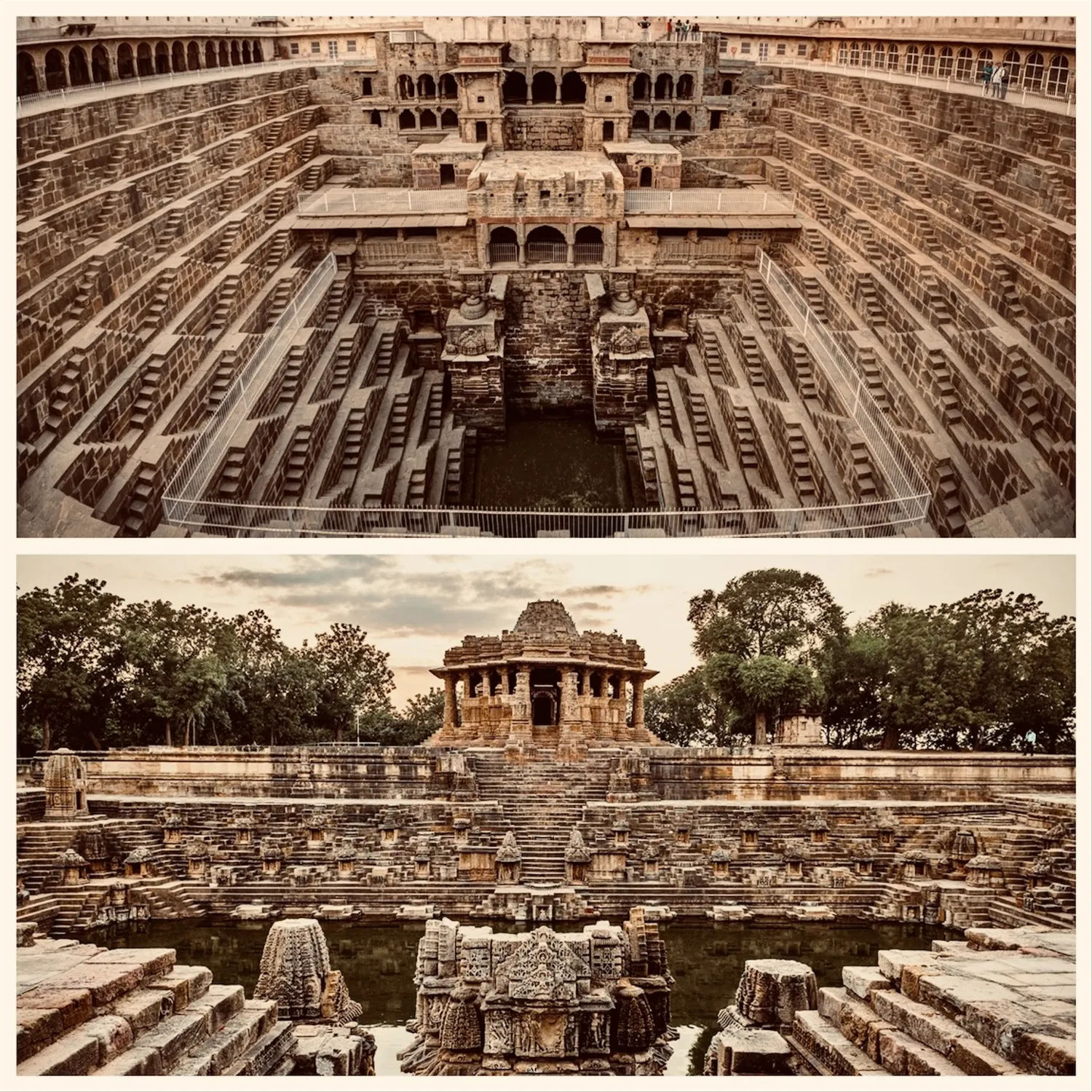
Indian architects traditionally used sustainable and suited-to-the-local climate materials like stone, wood, and mud. They designed buildings to maximise natural light and ventilation, maintaining cool interiors even in hot weather. For example, the step wells of Gujarat and Rajasthan, known as ‘Baoris’, were sustainable water sources and cool resting places during summer.
Modern Trends
India is experiencing a revival in sustainable architecture through:
Local Materials: Minimising transportation energy and supporting local economies.
Green Building Certification: Ensuring buildings meet specific environmental standards.
Integrating Nature: Incorporating plants and water features to enhance well-being.
Passive Design Principles: Using natural ventilation, lighting, and thermal mass to reduce the need for artificial climate control.
These practices blend traditional methods with modern sustainability, as shown in the following case studies.
Case Studies
The Rajkumari Ratnavati Girls School - Jaisalmer
The Rajkumari Ratnavati Girls’ School in Jaisalmer, designed by Diana Kellogg Architects, is an architectural marvel set in the heart of the Thar Desert. This school, commissioned by the CITTA Foundation, serves over 400 girls from kindergarten to class 10, aiming to uplift female literacy in a region where it barely reaches 32%.
Constructed entirely from locally sourced hand-carved Jaisalmer sandstone, the school integrates traditional building techniques and sustainable design principles.
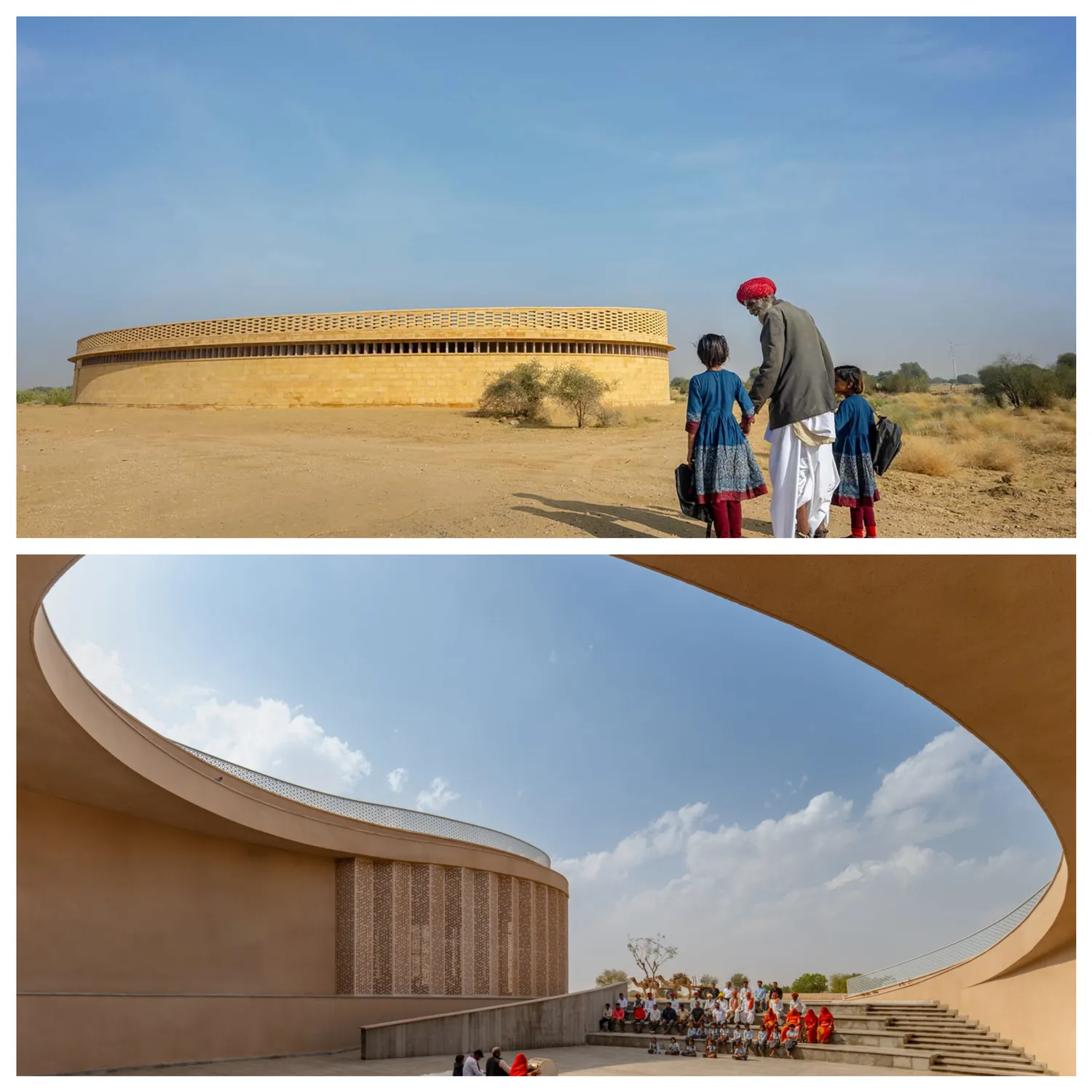
The building's elliptical shape provides natural cooling, reducing the need for air conditioning in an area where temperatures can soar to 50 degrees Celsius. Solar panels and rainwater harvesting systems further enhance the school’s environmental credentials.
Travel Tips
Just 38 kilometres from Jaisalmer, the school is near the historic Jaisalmer Fort, built in the 12th century along the Silk Road. The fort's golden sandstone walls rise majestically from the Thar Desert, symbolising the city's rich heritage. Nearby, the royal cenotaphs of Bada Bagh showcase intricate carvings and solemn beauty.
Jaisalmer is easily accessible by winter flights from Delhi, Jaipur, and Mumbai and year-round road access from Jodhpur and Bikaner. Suryagarh Hotel, Jaisalmer, offers modern amenities and traditional charm for luxurious accommodation.
Nisarga Art Hub, Ernakulam Kerala.
Designed by Wallmakers, it is a community and cultural centre commissioned by a family of musicians. The 2,557-square-foot building features a 35-degree sloped roof that doubles as an open-air amphitheatre, with skylights providing natural light and seating. The design integrates traditional Kerala elements and sustainable practices, using construction debris and local soil for load-bearing walls.
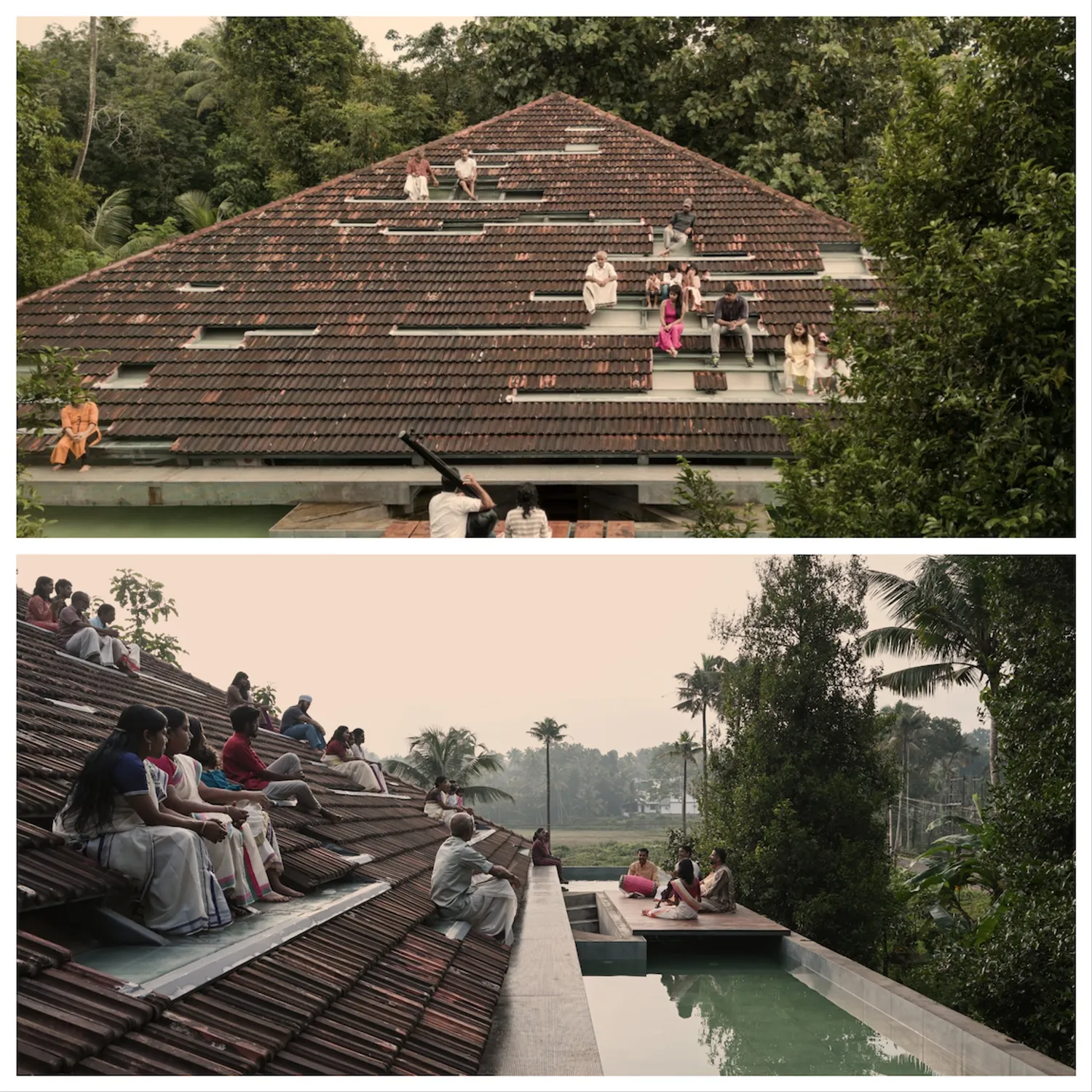
A curtain of climbing plants on the western facade provides shade, while reclaimed laterite blocks form a verandah reminiscent of old Kerala homes. The Hub offers a flexible space for art and cultural activities, seamlessly blending nature and architecture.
Travel Tips
While visiting Kerala, Fort Kochi is a must-see. Highlights include a walk through the verandah of the Brunton Boatyard, where portraits tell the stories of the illustrious men who built and reshaped Fort Kochi over time. Discover the rich Jewish heritage, the bustling spice trade, and the history of tea in this vibrant area.
Consider staying at the newly renovated Taj Malabar Resort & Spa. This luxury hotel on Willingdon Island offers stunning views of Cochin Harbour and the backwaters. Jiva Spa offers traditional Indian wellness treatments, while the Rice Boat restaurant serves authentic Kerala cuisine with backwater views.
The David Sassoon Library, Mumbai.
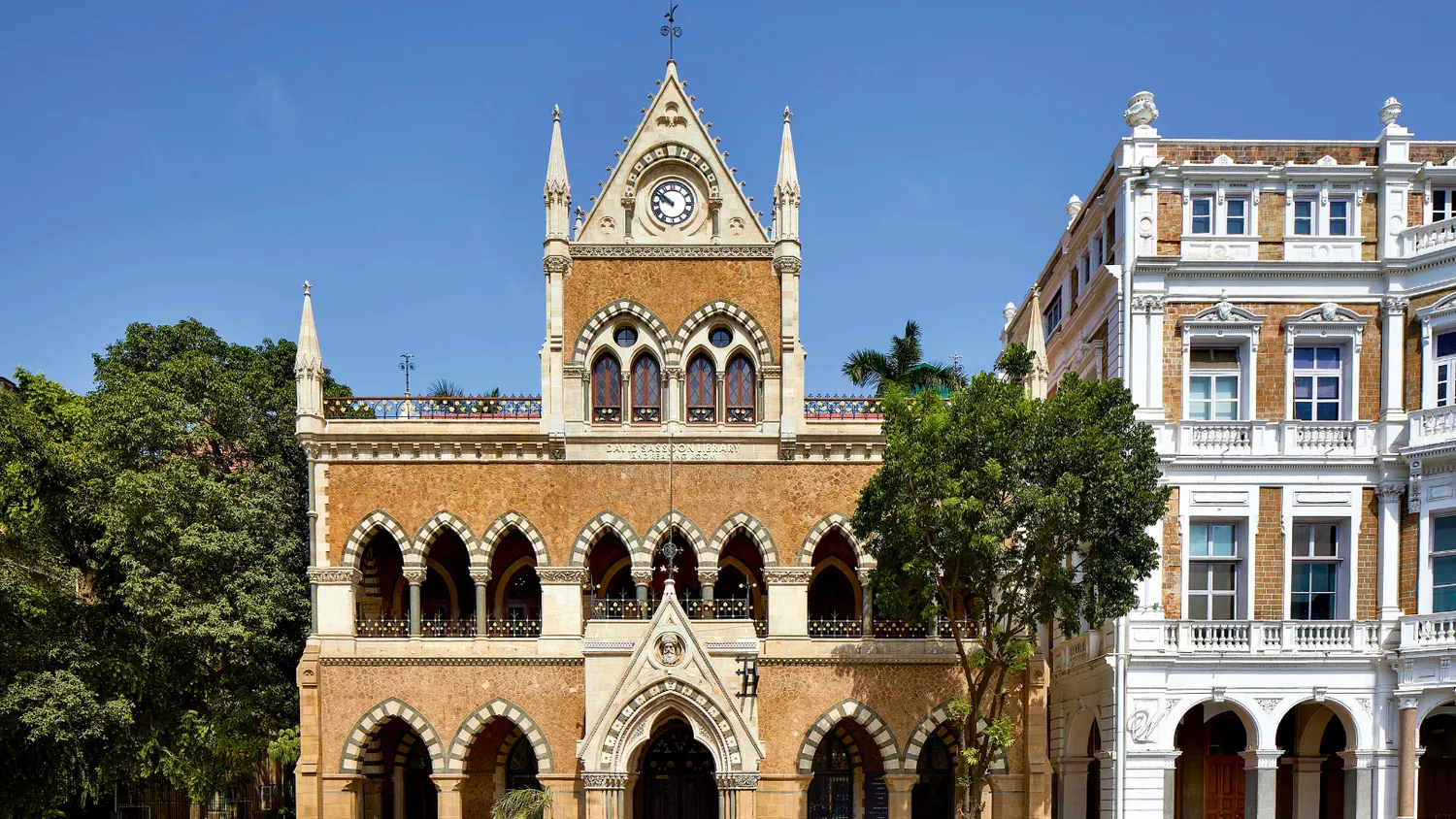
In Mumbai’s Kala Ghoda district, a 156-year-old Victorian neo-Gothic building has been meticulously restored. The renovation, led by conservation architect Abha Narain Lambah, included roof reconstruction, Minton tile flooring restoration, and interior upgrades.
Sustainability was a key focus. To reduce the carbon footprint, traditional materials and techniques were used, and energy-efficient lighting and systems were installed. The project also enhanced natural ventilation and lighting to minimize energy consumption.
David Sassoon, a Baghdadi Jewish merchant, fled to Mumbai from Baghdad in 1832 to escape persecution. He established a successful trading business in Mumbai, significantly contributing to his wealth and the city’s economic development.
Travel Tips
Mumbai, a vibrant gateway to India, seamlessly blends heritage with modernity. The city features colonial-era architecture, bustling markets, and the serene Arabian Sea. Key landmarks include the Gateway of India, Victoria Terminus, Bandra-Worli Sea Link, and skyscrapers. The culinary scene offers everything from street food to fine dining at places like The Bombay Canteen, O Pedro, and The Masque. Cultural experiences include walking tours like Urban Safari and Mumbai by Dawn, showcasing heritage precincts and early morning markets, such as the Sassoon Dock fish market.
You cannot stay anywhere else but
The Taj Mahal Palace & Tower, Mumbai's premier hotel since 1903, is possibly the best in India. It has hosted numerous world leaders, celebrities, and royalty. Legend has it that Jamsetji Tata conceived the hotel after being denied entry to a British establishment, aiming to create a symbol of Indian hospitality and excellence. e.
As India’s premier hotel, the Taj Mahal Palace & Tower is a sine qua non for discerning travellers seeking an unparalleled experience.
And so our story comes to an end.
Conclusion
Sustainable architecture in India showcases the country's ability to blend tradition with imagination and innovate. Contemporary architects create environmentally responsible and culturally significant spaces by integrating ancient practices with modern technologies. These efforts enhance the quality of life while preserving the environment. Such initiatives honour India's architectural heritage and pave the way for a sustainable future, demonstrating that thoughtful design can harmonise with nature.