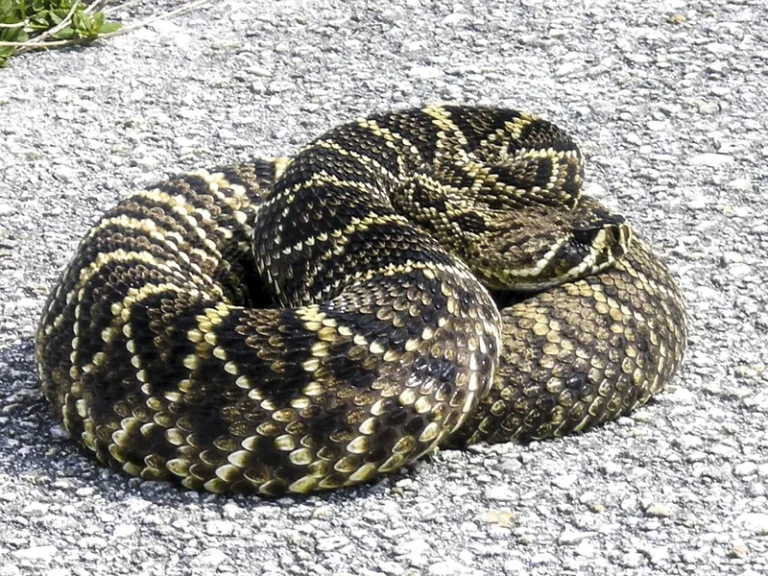
Curious about rat snakes? These enigmatic reptiles play a crucial role in ecosystems while intriguing snake enthusiasts worldwide. In this guide, we delve into the captivating realm of rat snakes, uncovering their diverse species, behaviours, care tips, and much more. Whether you’re a budding herpetologist or simply intrigued by the world of serpents, join us on a journey to discover the wonders of rat snakes. From their role in rodent control to their captivating appearances, this guide is your key to unraveling the mysteries of these remarkable creatures.
Rat Snake
Appearance and Diversity: Rat snakes come in an astonishing range of appearances, sporting colours that span from earthy browns and greens to vibrant reds and yellows. Their patterns can be anything from stripes and blotches to speckles, providing them with effective camouflage in their respective habitats. These variations make identification a thrilling challenge for snake enthusiasts and naturalists.
Habitat and Distribution: These adaptable snakes have managed to carve out niches in a variety of environments, including forests, grasslands, and even urban areas. Rat snakes are often encountered near human habitations due to their affinity for hunting rodents — a behaviour that has earned them their common name. From the woodlands of North America to the rice fields of Asia, these reptiles have established themselves as masters of adaptation.
Behaviour and Diet: Rat snakes are renowned for their remarkable climbing abilities, which they use to track down their preferred prey: rodents. While they mainly feed on rats and mice, their diet can also include birds and their eggs, frogs, and even small bats. As constrictors, they use their lithe bodies to capture and subdue their prey before consumption, relying on sheer strength and agility rather than venom.
Importance in Ecosystem: Though often feared and misunderstood, rat snakes play a crucial role in maintaining ecological balance. By keeping rodent populations in check, they help control potential disease vectors and prevent crop damage. Additionally, they serve as prey for various predators, contributing to the intricate web of life in their habitats.
Conservation and Protection: Despite their benefits, rat snakes face threats from habitat loss, accidental killings, and illegal pet trade. It’s essential to recognize their significance and take measures to protect these valuable creatures. Encouraging education and raising awareness about the role they play in the ecosystem can go a long way in safeguarding their future.
Rat Snakes | Characteristics, 40 Types, Behaviour, Facts, Care Tips