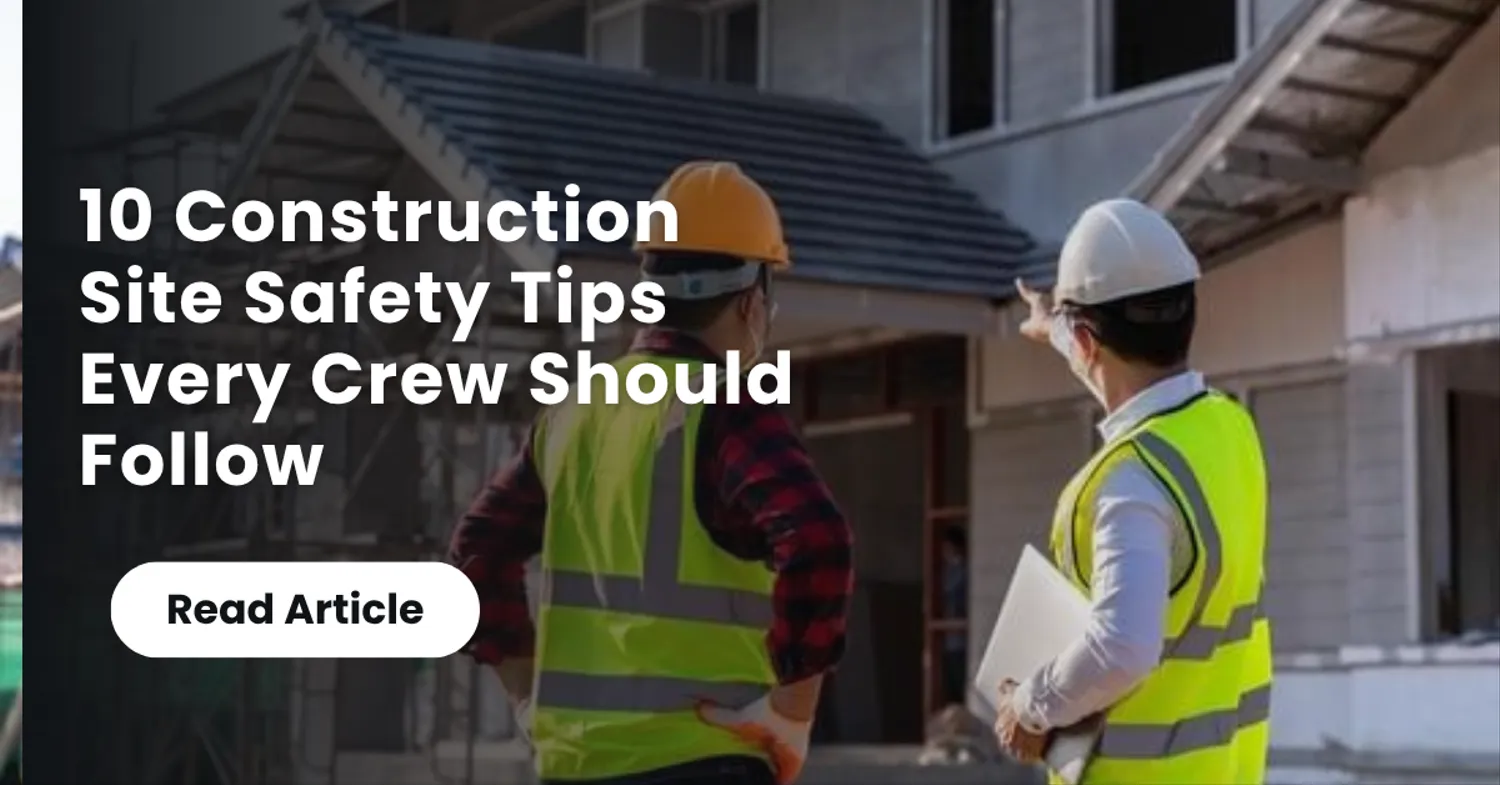
Construction site safety is the backbone of a successful project. With heavy machinery, elevated work zones, and constant movement, job sites are full of potential hazards. Protecting workers requires more than hard hats—it takes training, awareness, and clear procedures. From understanding OSHA regulations to enforcing proper PPE use and fall protection, safety must be a daily focus.
A solid site safety plan helps reduce risks, avoid costly violations, and build trust among your team. Whether you're a contractor, manager, or worker, knowing how to stay safe on-site can save lives. Let’s explore how you can create a safer, smarter, and more productive construction environment.
Know and Follow All Safety Regulations That Apply to Your Site
Understanding and applying safety regulations is the foundation of construction site safety. The Occupational Safety and Health Administration (OSHA) creates and enforces health and safety regulations that protect workers in the United States. These standards include detailed rules on fall protection, scaffolding safety, proper handling of machinery, and hazard communication. Your site safety plan must align with these rules to ensure safety compliance construction-wide.
Each job site should start with a full site risk assessment to identify all potential dangers. That includes everything from electrical risks to unstable surfaces. By following OSHA's guidelines and integrating company-specific policies, you create a safer work environment. Staying compliant with legal rules not only prevents accidents but also avoids costly construction safety violations and penalties that could delay your project.
Make PPE in Construction Mandatory for All Workers
Personal protective equipment is often the last line of defense between a worker and injury. From safety glasses to hard hats, PPE in construction helps prevent injuries caused by falling debris, sharp tools, or loud noise. The importance of personal protective equipment can’t be overstated, especially when it comes to protecting eyes, ears, hands, and feet. Workers must be trained on how to wear and care for their gear.
Managers should also inspect equipment regularly and replace anything that shows wear and tear. A damaged helmet or worn-out gloves won't protect anyone. The site safety plan should include routine PPE inspections and a checklist to ensure that gear meets current safety standards. Keeping PPE updated helps reduce job site hazards and builds a culture of responsibility and readiness.
Provide Ongoing Safety Training and Toolbox Talks
Construction sites change quickly, and so do safety risks. That’s why training should never stop after day one. Site induction training is important for onboarding, but ongoing education through toolbox talks makes sure that safety stays top of mind. These short safety talks happen before shifts begin and cover specific risks like heat exposure or working near heavy machinery. The benefits of toolbox talks in construction include stronger communication and better decision-making.
Knowing how to conduct safety training on-site is key. It should be clear, interactive, and tailored to the current phase of construction. Safety audits construction managers carry out can help shape training topics. If there’s a trend in injuries or near misses, address it right away. Continuous learning keeps everyone informed and confident while they work.
Encourage Situational Awareness at All Times
Situational awareness means staying alert to everything happening around you. Many accidents occur not because a worker lacks skill, but because they lose focus. Distractions like phones, fatigue, or noise can prevent workers from noticing risks. Staying alert to job site hazards is one of the easiest and most effective ways to prevent injuries. Everyone should be trained to stop and assess before moving or acting.
Hazard identification construction-wide must be ongoing. Encourage workers to watch for unstable surfaces, falling materials, or blocked exits. Make it part of the daily routine to look up, down, and around. Even one second of distraction can lead to a life-changing injury. Building habits around awareness can save lives and protect your team from unexpected dangers.
Ensure Safe Use and Maintenance of Tools and Heavy Machinery
Construction relies heavily on tools and machines, but when handled carelessly, they become dangerous. Best practices for equipment handling include training workers before they operate anything. Forklifts, cranes, and saws require focused handling and regular checks. If not maintained, equipment can break, jam, or malfunction at the worst possible moment. Safe handling of construction machinery also includes using the right tool for the job, every time.
Routine checks are non-negotiable. All machines must be inspected daily. If there’s an issue, the tool should be tagged, locked out, and removed from use. Reporting safety hazards in real-time allows supervisors to act fast. Digital tools for job site safety, like mobile apps, help track machine maintenance and create accountability across the team.
Prioritize Site Cleanliness and Waste Management
Site cleanliness often gets overlooked, but it plays a huge role in workplace safety in construction. Cluttered sites lead to trip hazards, blocked exits, and fire risks. Sawdust, wires, and scattered materials slow down crews and increase accident chances. Maintaining a clean worksite means creating clear walkways, organizing tools, and storing materials properly. A site that looks safe usually is safe.
Proper waste disposal on construction sites includes handling chemical waste, flammable liquids, and general debris. These materials should never be left out or mixed with regular trash. Schedule daily clean-ups and assign responsibilities for each section of the site. Use a construction safety audit checklist to keep track of cleanliness and order. A clean site protects everyone and keeps the project running smoothly.
Promote Proper Lifting Techniques and Use of Mechanical Aids
Improper lifting is one of the top causes of injury in construction. Training on lifting safety on construction sites should focus on posture, technique, and knowing your limits. Workers should always bend at the knees, not the waist, and avoid twisting when carrying weight. Heavy loads should never be lifted alone. Back injuries are painful and often long-lasting, but they are easy to prevent with the right habits.
Using mechanical aids for lifting is smart and expected. Forklifts, pallet jacks, and lift tables reduce strain and increase efficiency. These tools must be used properly and safely. Supervisors should show workers how to operate them and check for damage. When lifting becomes safer, workers perform better and the site operates more efficiently.
Implement Fall Protection for Elevated Work Areas
Falls are one of the most common and serious hazards on any construction site. The proper use of fall protection systems can prevent injury and death. OSHA requires fall protection for work done at six feet or higher. Every worker should understand the difference between fall arrest systems, fall restraint systems, and fall prevention devices. These systems include safety nets, harnesses, lanyards, and guardrails.
Training is critical. Knowing when to use each system and how to wear it correctly is just as important as having the gear. Workers should be able to spot fall hazards and know how to respond. Regular safety audits construction teams perform must include fall protection checks. Preventing falls protects lives and keeps your team focused and confident while working above ground.
Create a Strong Culture of Reporting Unsafe Conditions
If workers feel unsafe speaking up, problems will never get fixed. A strong safety culture encourages workers to report unsafe conditions as soon as they notice them. Everyone on-site should know how and where to report an issue. Use anonymous reporting options if needed, but make sure the response is quick and taken seriously. Listening and acting on concerns shows workers that their voice matters.
Supervisors play a major role in maintaining this culture. They must lead by example, address hazards quickly, and follow up after reports are made. Workers need to see that their feedback leads to real change. Creating this environment builds trust and prevents accidents. A responsive team is a safe team.
Prioritize Worker Health: Hydration, Rest, and Heat Safety
Physical labor under the sun drains energy fast. Heat stress and fatigue prevention for workers is essential, especially during summer months. Dehydration can cause dizziness, confusion, and even collapse. Workers must drink water regularly and rest in shaded areas. Supervisors should watch for signs of overheating like red skin, headaches, or a sudden stop in sweating.
Fatigue also increases the risk of mistakes and injuries. Encourage regular breaks, especially after lifting or operating heavy tools. Fatigue management is part of maintaining a safe work environment and protecting everyone on-site. A strong team works hard, but a smart team knows when to rest and recover.
OSHA Certification as a Foundation of Construction Site Safety
OSHA certification for construction workers is more than a credential—it’s a commitment to safety. Certified workers know the safety rules for construction sites, how to identify risks, and what to do in emergencies. It’s also one of the most effective ways to meet compliance with OSHA standards. Having certified staff reduces your chances of receiving construction safety violations and penalties.
If you want to strengthen your site safety plan, start with training. Offering $99 OSHA 30 Online to your team helps build trust, skill, and awareness. Workers gain confidence, and managers gain peace of mind. You can explore online OSHA courses or contact a training provider to get started.
FAQ
What are the 10 basic safety rules?
Always wear PPE, stay alert, follow safety signage, use tools correctly, avoid shortcuts, lift safely, inspect equipment, report hazards, keep the site clean, and take breaks to prevent fatigue.
How to be safe on a construction site?
Stay alert, wear proper PPE, follow all safety rules, attend training, report unsafe conditions, and never operate machinery without proper instruction.
What is the 20 20 20 rule in construction safety?
Every 20 minutes, look at something 20 feet away for 20 seconds. This rule helps reduce eye strain, especially for screen-based tasks.
What security is needed on a construction site?
Construction sites need perimeter fencing, secure entry points, CCTV cameras, equipment locks, safety signage, and access control to protect both people and property.
What is the biggest safety issue on a construction site?
Falls from height are the leading cause of injury and death in construction. Proper fall protection systems and training are essential to reduce this risk.
What are the basic PPE for construction site?
Basic PPE includes hard hats, safety glasses, steel-toe boots, high-visibility vests, gloves, and hearing protection—each vital for job site hazard protection.