In industries where fire safety is a critical concern, having the right tools to assess and simulate fire behavior is essential. One such tool, the flame simulator test unit, plays a pivotal role in ensuring the safety and reliability of various products and systems. Ornicom, a leader in fire safety technology, provides top-tier flame simulator test units that help manufacturers, engineers, and safety professionals evaluate their products under controlled fire conditions.
What is a Flame Simulator Test Unit?
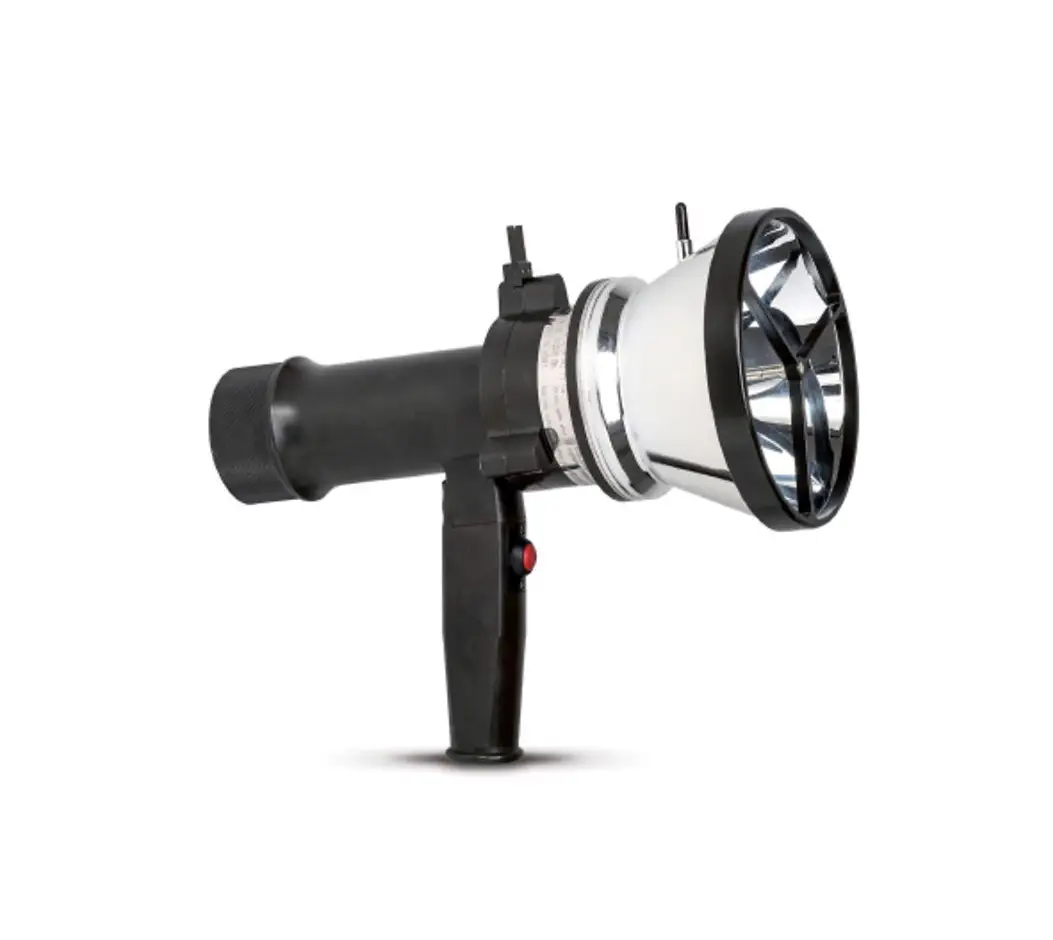
A flame simulator test unit is a sophisticated device used to replicate the behavior of flames in real-world scenarios. It is designed to simulate the intensity, duration, and spread of flames to assess how materials and products react when exposed to fire. These units are used across various industries, including automotive, construction, and electronics, to test the fire resistance and safety of materials and components. By using a flame simulator test unit, manufacturers can determine the effectiveness of their fire safety measures, ensuring that their products meet the necessary regulatory standards.
The Role of a Flame Simulator in Fire Safety Testing
Fire safety testing is a crucial step in the product development process, as it helps identify potential hazards and vulnerabilities before they reach the market. A flame simulator test unit plays a central role in this process by providing an accurate and repeatable method to simulate fire conditions. This allows manufacturers to evaluate how their products perform under extreme conditions and how quickly they might catch fire, spread flames, or produce hazardous gases.
Advantages of Using Ornicom’s Flame Simulator Test Unit
Ornicom’s flame simulator test units are engineered with precision and built to meet the highest industry standards. Their devices are equipped with advanced features that allow for more accurate and reliable testing results. One of the key advantages of using Ornicom’s units is their flexibility. The flame simulator can be adjusted to mimic a wide range of fire scenarios, from small, localized fires to large, high-intensity flames. This adaptability makes the test unit ideal for a variety of applications and industries.
Another notable advantage of Ornicom’s flame simulator test unit is its ability to provide real-time data, which is crucial for evaluating the effectiveness of fire safety measures. The unit’s sensors and monitoring systems offer detailed feedback on how materials or systems behave under simulated fire conditions. This data helps engineers and safety professionals make informed decisions about product design, material selection, and fire prevention strategies.
Applications of Flame Simulator Test Units
Flame simulator test units have a wide range of applications in industries where fire safety is of paramount importance. In the automotive industry, these units are used to test the flammability of car interiors, fabrics, and components. By simulating fire scenarios, manufacturers can ensure that their vehicles comply with safety regulations and provide a higher level of protection for passengers.
In construction, flame simulator test units are used to assess the fire resistance of building materials such as insulation, flooring, and wall panels. Ensuring that construction materials meet fire safety standards is critical for preventing the rapid spread of flames in the event of a fire, potentially saving lives and reducing property damage.