Fire safety is a crucial concern in industrial, commercial, and residential environments. Early detection of fires can save lives and protect property. Among the many fire detection systems available, linear heat detection (LHD) cables play a significant role in offering an advanced and reliable method of detecting fire hazards. This article explores the purpose, working principle, and benefits of linear heat detection cables, as well as their applications in various settings.
What is a Linear Heat Detection Cable?
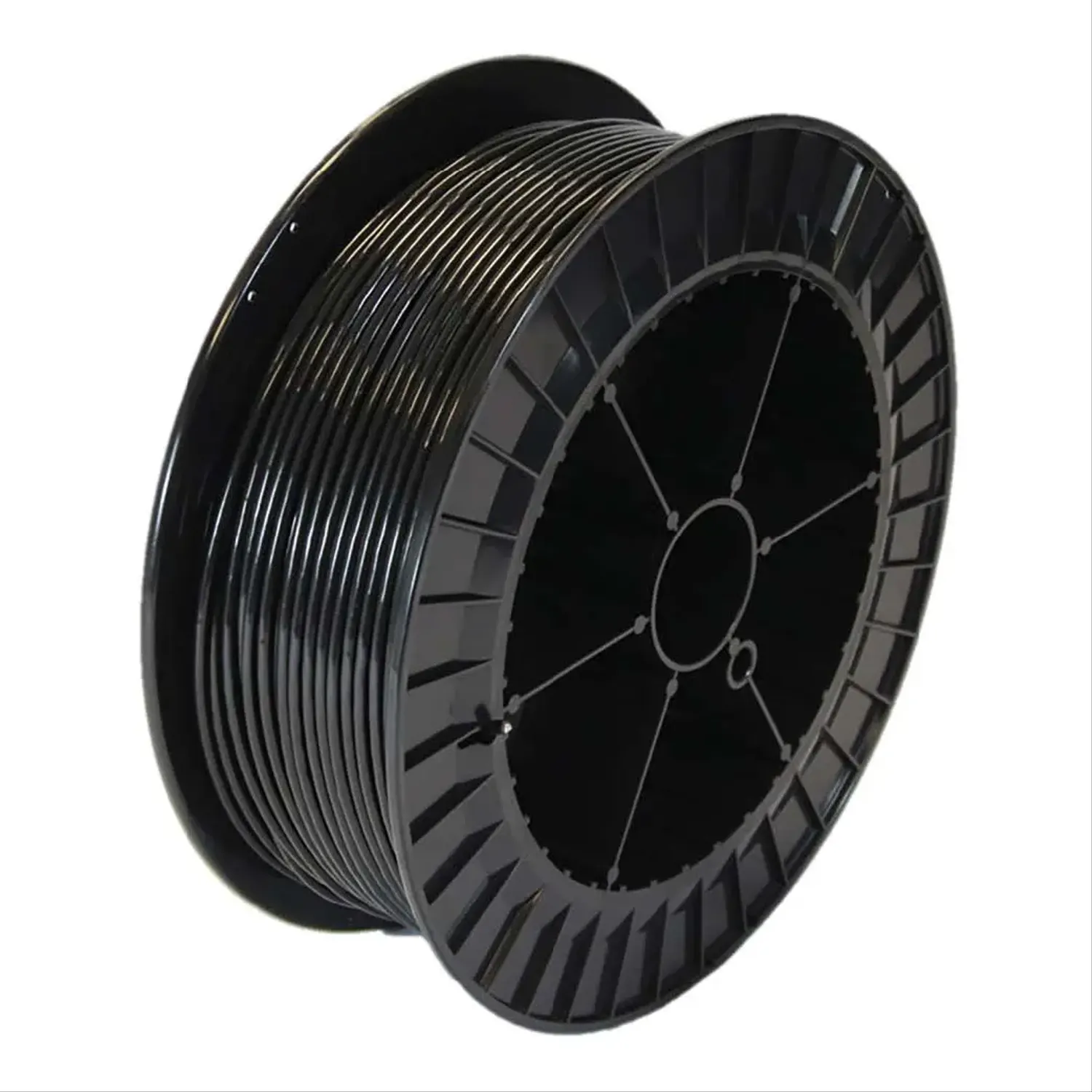
A linear heat detection cable is a specialized fire safety device designed to detect temperature changes along its length. It consists of two copper conductors surrounded by a thermoplastic jacket. Embedded in the cable is a unique heat-sensitive material that reacts to temperature fluctuations. When the temperature reaches a predetermined threshold, the cable emits a signal indicating potential fire danger. Unlike traditional fire detectors that rely on localized sensing, the linear heat detection cable provides continuous monitoring along its entire length, making it suitable for applications where traditional methods may fall short.
Benefits of Linear Heat Detection Cables
One of the primary benefits of linear heat detection cables is their ability to offer continuous monitoring. This ensures that any temperature variations, even slight ones, are immediately detected. Moreover, because the cable can cover long distances and follow intricate pathways, it can be installed in areas that are not easily accessible, such as along pipelines, in tunnels, or inside walls.
Additionally, linear heat detection cables are highly reliable because they are less susceptible to environmental conditions that may affect other types of sensors, such as smoke detectors. For instance, high dust levels, humidity, or corrosive environments can interfere with traditional fire detection systems, but linear heat detection cables function consistently in these conditions. They also require minimal maintenance compared to other fire safety equipment, which makes them an ideal solution for industrial facilities and large buildings.
Applications of Linear Heat Detection Cable
Linear heat detection cables are used in a wide range of environments, from manufacturing plants and power stations to commercial buildings and transportation systems. In industrial settings, they are particularly valuable for protecting machinery, conveyor belts, and cable trays. These areas can be prone to overheating, and a fire can start undetected in such settings, making early detection essential.
In commercial and residential applications, linear heat detection cables can be installed in places like hallways, attics, and basements, where conventional fire detectors may not be effective. Additionally, their ability to detect fires in hard-to-reach areas, such as in ducts and enclosed spaces, makes them a preferred choice for modern fire safety systems.
Conclusion
Linear heat detection cables are a critical component of modern fire safety systems. Their ability to detect heat changes over an extended area makes them highly effective in a wide range of applications, particularly in environments where conventional fire detectors may fall short. By providing early warning of fire hazards, these cables help mitigate risks, protect property, and save lives. Whether in industrial, commercial, or residential settings, the importance of installing linear heat detection cables cannot be overstated in the fight against fire hazards.