In fire safety systems, early detection and prompt response are essential for minimizing damage and protecting lives. One of the key technologies that play a critical role in ensuring the safety of buildings and infrastructure is the digital LHD cable, or Linear Heat Detection Cable. This advanced technology is designed to detect changes in temperature along its entire length, providing real-time warnings in case of a fire or overheating event. In this article, we will explore the significance, applications, and advantages of using digital LHD cables in modern fire safety systems.
What is a Digital LHD Cable?
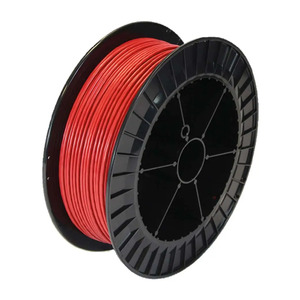
A digital LHD cable is a highly sensitive, heat-detecting system that continuously monitors temperature changes along its length. Unlike traditional point sensors, which detect heat at specific locations, the digital LHD cable is capable of detecting temperature variations across its entire span. This allows it to provide early detection of fire or overheating issues in places where traditional detection systems may be ineffective. When the cable detects a rise in temperature above a preset threshold, it sends a signal to the fire alarm or control panel, triggering an alert.
Applications of Digital LHD Cables
Digital LHD cables are widely used in various industries, particularly in environments where traditional fire detection methods may not be sufficient. For example, they are commonly installed in large-scale industrial settings such as warehouses, power plants, tunnels, and oil refineries, where large areas need constant temperature monitoring.
In addition, they are used in cable trays, electrical rooms, and storage areas where the risk of fire due to overheating of equipment or wiring is high. The cables can be embedded in walls, ceilings, or floors to provide comprehensive coverage and early warning of fire or heat build-up. In environments with high temperatures or extreme conditions, such as engine rooms or chemical processing facilities, the digital LHD cable is invaluable for detecting potential hazards before they escalate into full-scale fires.
Advantages of Using Digital LHD Cable
One of the primary benefits of the digital LHD cable is its ability to provide early fire detection across long distances. Unlike traditional point sensors that only monitor specific areas, the linear nature of the cable allows it to detect heat changes along its entire length, providing broader coverage. This makes it especially useful in areas where fire risks are widespread or unpredictable, such as large open spaces or areas with numerous potential ignition sources.
Another significant advantage is the high level of accuracy offered by the digital LHD cable. The digital system can identify even minor temperature changes, allowing for more precise detection of overheating or potential fire threats. This not only helps in identifying the exact location of the heat source but also provides real-time information to fire safety systems, enabling a quicker response and minimizing potential damage.
The system is also highly flexible and can be customized to meet the specific needs of different environments. Digital LHD cables can be easily installed and integrated with other fire detection systems, such as smoke detectors and sprinkler systems. This allows for a comprehensive, multi-layered approach to fire safety.