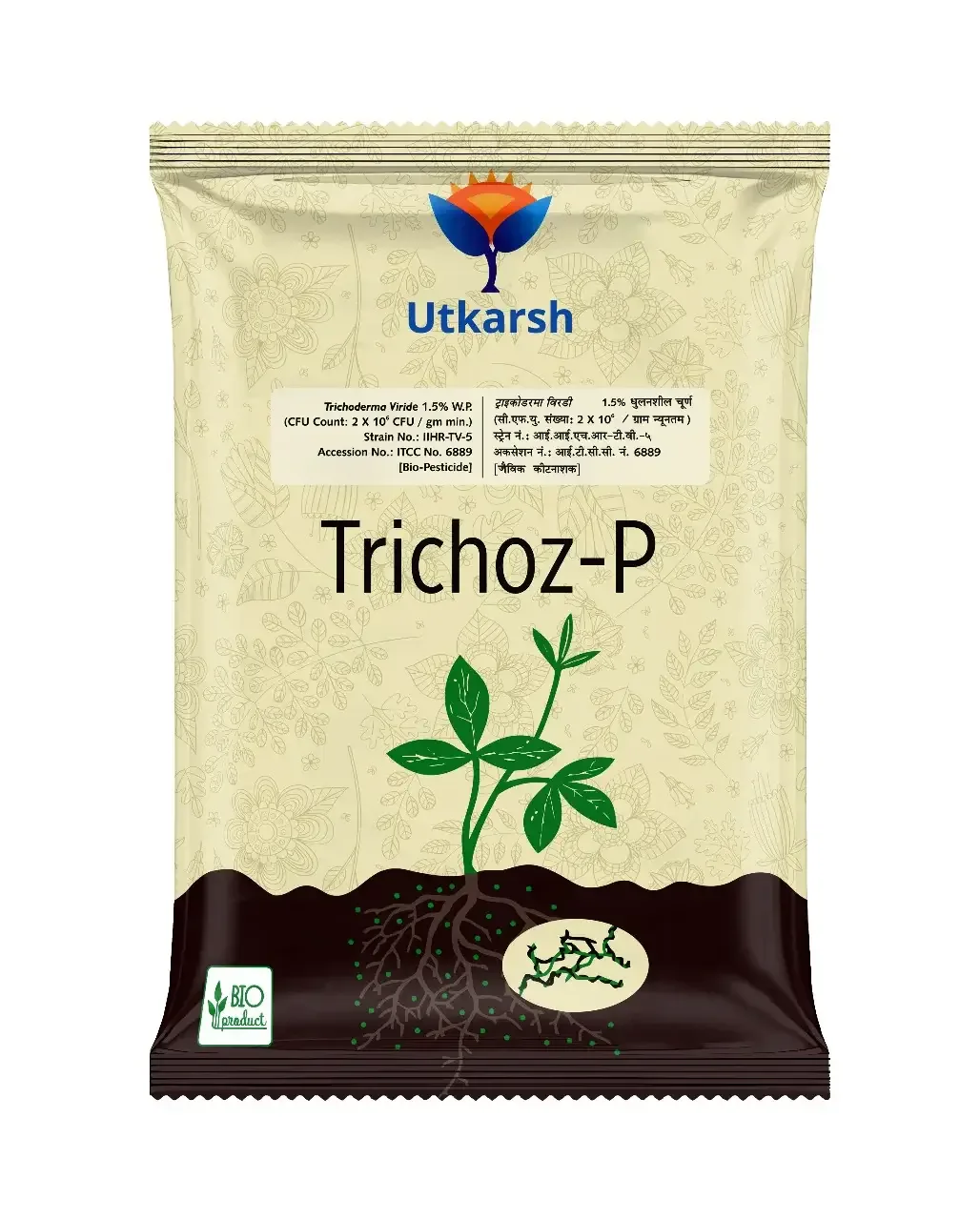
Healthy soil is essential for producing strong crops, high yields, and consistent farm productivity. Organic soil fungus control focuses on managing harmful fungi through natural farming practices while protecting beneficial microorganisms that support soil fertility. Unlike chemical intensive approaches, organic methods improve microbial diversity, enhance root development, and strengthen the natural resistance of plants against diseases. Farmers using sustainable soil management often notice better crop establishment, healthier root systems, and improved nutrient efficiency over several growing seasons. A balanced soil ecosystem not only reduces disease pressure but also supports long term agricultural sustainability and environmentally responsible farming practices.
What is the best organic way to control soil fungus?
The most effective solution combines healthy soil management with biological disease suppression rather than relying on a single treatment. Organic farming encourages beneficial microorganisms that naturally compete with harmful fungi, reducing their ability to infect plant roots and spread through the field.
Adding mature compost, vermicompost, crop residues that have fully decomposed, and microbial biofertilizers increases beneficial microbial populations. Proper irrigation management also plays a major role because excess moisture creates favorable conditions for fungal diseases. Well drained fields, balanced crop nutrition, and regular organic matter application improve soil structure and root health. Farmers can also integrate biological products into their crop management programs. Utkarsh Agro supports sustainable agriculture by offering solutions that complement modern organic soil management practices when used according to recommended agricultural guidelines.
How do you naturally get rid of fungus in soil?
Should be understood as reducing harmful fungi instead of removing every fungal organism. Healthy soils contain many beneficial fungi that improve nutrient cycling, decompose organic matter, and strengthen plant growth. Organic management focuses on restoring microbial balance instead of sterilizing the soil.
Effective natural practices include:
- Apply compost rich in beneficial microorganisms before planting.
- Rotate crops every season to interrupt disease cycles.
- Avoid standing water by improving field drainage.
- Remove infected plant residues after harvest.
- Apply biological inoculants around the root zone.
- Maintain balanced fertilizer programs without excessive nitrogen.
Farmers should also avoid overwatering because saturated soils encourage root diseases. Regular field inspections allow early detection of infected plants before diseases spread throughout the crop. Combining these practices creates an effective organic soil fungus control strategy that becomes stronger with each growing season.
What causes fungus to grow in garden soil?
Helps prevent disease before significant crop losses occur. Fungi naturally exist in almost every soil, but harmful species become dominant when environmental conditions remain favorable. High soil moisture, limited oxygen, poor drainage, and excessive organic waste create ideal conditions for fungal development.
Continuous cultivation of the same crop also allows disease causing fungi to survive between seasons. Compacted soil limits root growth and reduces air movement around roots, increasing disease susceptibility. Poor quality irrigation water, infected seedlings, and contaminated tools may introduce additional fungal pathogens into healthy fields.
Improving soil structure through organic matter enhances drainage while increasing beneficial microbial populations. Cover cropping, reduced soil compaction, and proper irrigation scheduling lower disease risk naturally. Farmers who monitor moisture conditions throughout the growing season can respond quickly before fungal populations become difficult to manage.
Can soil fungus harm plants?
Yes, can soil fungus harm plants is an important concern because several fungal pathogens damage economically important crops. Harmful fungi attack roots, seeds, stems, and underground plant tissues, limiting water absorption and reducing nutrient availability. These infections often weaken plants gradually before visible symptoms appear above ground.
Common symptoms include slow growth, yellow leaves, root discoloration, poor flowering, wilting, reduced fruit production, and lower overall yields. Seedlings frequently experience damping off when soils remain excessively wet during germination. Mature crops may suffer from root rot, collar rot, or vascular diseases depending on environmental conditions and crop type.
Strong preventive management greatly reduces these risks. Healthy soils with active microbial communities naturally suppress many pathogens through biological competition. Organic amendments improve root development while supporting beneficial microorganisms that help maintain a balanced soil ecosystem throughout the production cycle.
Is soil fungus always bad for plants?
The answer is no because most fungi perform valuable functions within agricultural soils. Beneficial fungi break down plant residues into nutrients that become available for future crops. They also improve soil aggregation, increase water retention, and contribute to overall soil fertility.
Mycorrhizal fungi form beneficial relationships with plant roots by extending their ability to absorb phosphorus, zinc, and water from the surrounding soil. These natural partnerships improve crop resilience during drought and nutrient stress while promoting stronger root systems. Such fungi are essential components of healthy agricultural ecosystems.
The purpose of organic soil fungus control is to encourage beneficial fungal activity while preventing disease causing organisms from dominating the soil environment. Good crop rotation, organic matter management, biological inputs, balanced fertilization, and proper irrigation all contribute to maintaining this healthy microbial balance. Sustainable farming practices protect both crop productivity and long term soil quality.
Conclusion
Organic soil fungus control provides farmers with a practical and environmentally responsible approach to reducing soil borne diseases while preserving beneficial soil microorganisms. Healthy soils supported by compost, biological inoculants, balanced nutrition, crop rotation, and effective irrigation naturally resist harmful fungal infections more successfully than degraded soils. Preventive management remains more effective than treating severe disease outbreaks after they develop. Beneficial fungi continue to play an essential role in nutrient cycling, root health, and soil structure, making their protection equally important. Consistent organic farming practices strengthen soil resilience over time and improve crop performance under changing environmental conditions. A biologically balanced soil creates the foundation for productive, sustainable, and profitable agriculture for many years to come.