As industries continue to evolve toward greener practices, warehouse operations are under growing pressure to improve their environmental footprint. Logistics, manufacturing, and supply chain hubs are all seeking equipment solutions that align with sustainability goals. One of the most effective steps in that direction is the transition to the electric forklift, which offers a cleaner, quieter, and more efficient alternative to traditional internal combustion models.
With governments implementing stricter emission regulations and businesses aiming for greener certifications, the adoption of electric forklifts is quickly becoming standard practice. These machines not only contribute to a cleaner environment but also offer practical, long-term benefits in operational efficiency and cost management.
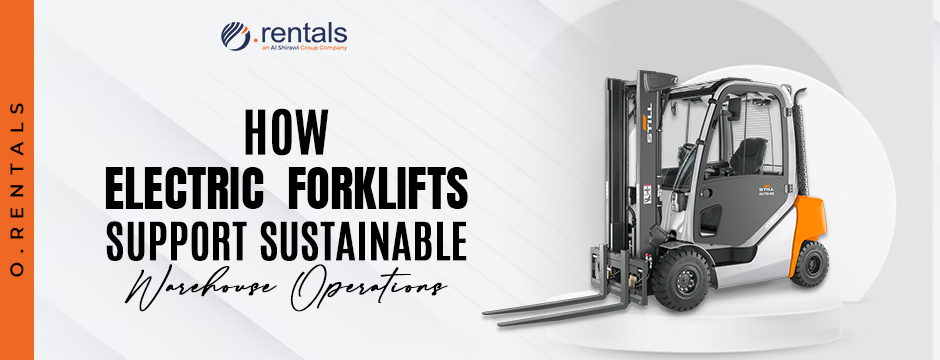
Zero Emissions, Lower Carbon Footprint
A key advantage of using an electric forklift is its zero-emission operation. Unlike diesel or LPG-powered forklifts, electric models run on batteries and produce no exhaust fumes. This makes them especially suitable for indoor warehouses where air quality is a concern. Reducing indoor air pollution leads to safer working environments for employees and eliminates the need for costly ventilation systems.
In terms of environmental impact, the absence of tailpipe emissions plays a significant role in lowering the carbon footprint of a warehouse facility. This aligns well with global efforts to meet carbon neutrality targets and helps businesses demonstrate their commitment to corporate social responsibility.
Energy Efficiency and Lower Operating Costs
Another reason many facilities are adopting electric forklifts is their superior energy efficiency. Electric motors are known for their high torque and efficient energy conversion, resulting in less energy loss during operation. When compared to internal combustion engines, electrical forklifts require less fuel to perform the same tasks, especially in start-stop environments typical of warehouse operations.
While the upfront cost of an electric model can be higher, the lower energy consumption and reduced maintenance requirements lead to significant cost savings over time. There’s no need for engine oil changes, fuel filter replacements, or complex mechanical repairs. This long-term operational efficiency supports both financial and environmental sustainability goals.
Noise Reduction and Workplace Comfort
Noise pollution is another concern in high-traffic warehouse environments. Traditional forklifts can produce significant engine noise, contributing to worker fatigue and creating communication barriers. In contrast, the electric forklift operates quietly, helping to create a more pleasant and productive workplace.
This noise reduction can also lead to improved safety, as workers are better able to hear alarms, warnings, and each other. A quieter operation not only enhances working conditions but also makes the equipment ideal for use in noise-sensitive environments such as retail warehouses, food processing centers, and healthcare logistics.
Flexible Charging and Advanced Battery Tech
Today’s electrical forklifts are equipped with advanced battery technologies, including lithium-ion and fast-charging systems. These innovations allow operations to maximize uptime and eliminate the downtime traditionally associated with battery recharging. Smart charging stations and battery management systems ensure consistent performance and increase overall equipment lifespan.
The availability of rapid charging options also enables businesses to structure shifts without long breaks for charging, further enhancing efficiency. In multi-shift warehouses, spare battery packs or opportunity charging during breaks can keep operations seamless and productive.
For those who prefer not to invest in permanent equipment, electric forklift hire is an increasingly popular solution. It allows companies to access the latest technology without the capital burden of ownership, while still supporting their green initiatives.
Regulatory Compliance and Green Certification Support
Environmental regulations are becoming increasingly stringent, particularly in regions prioritizing clean energy and emissions control. Adopting electric-powered warehouse equipment helps companies stay compliant with these evolving standards. In many cases, using electric forklifts may also support eligibility for green building certifications, government incentives, or operational licenses in restricted emission zones.
With growing public and stakeholder awareness around sustainability, such proactive decisions also enhance brand reputation and trust. Organizations that invest in cleaner technologies are more likely to attract eco-conscious clients and partners, giving them a competitive edge in the marketplace.
Final Thought
Transitioning to an electric forklift fleet is more than just an operational upgrade—it’s a strategic move toward sustainable business practices. These machines support clean, efficient, and quiet warehouse environments while reducing long-term costs and fulfilling regulatory requirements. In an industry where environmental impact and operational performance go hand in hand, electrical forklifts offer a future-forward solution for businesses aiming to do more with less.
For companies that seek flexible solutions, rental options make this transition even more accessible. Providers with extensive fleets and equipment expertise offer scalable support for both short-term and long-term warehouse needs.
Among the leading providers in the UAE, O.rentals has positioned itself as a trusted source for electric and diesel forklifts, along with heavy-duty equipment and warehouse machinery. Sourced from top global brands like HD Hyundai Material Handling, STILL, and Liebherr, their equipment is built for performance and reliability. Businesses seeking a balance of eco-efficiency and operational strength turn to O.rentals to power their warehouse transformation.