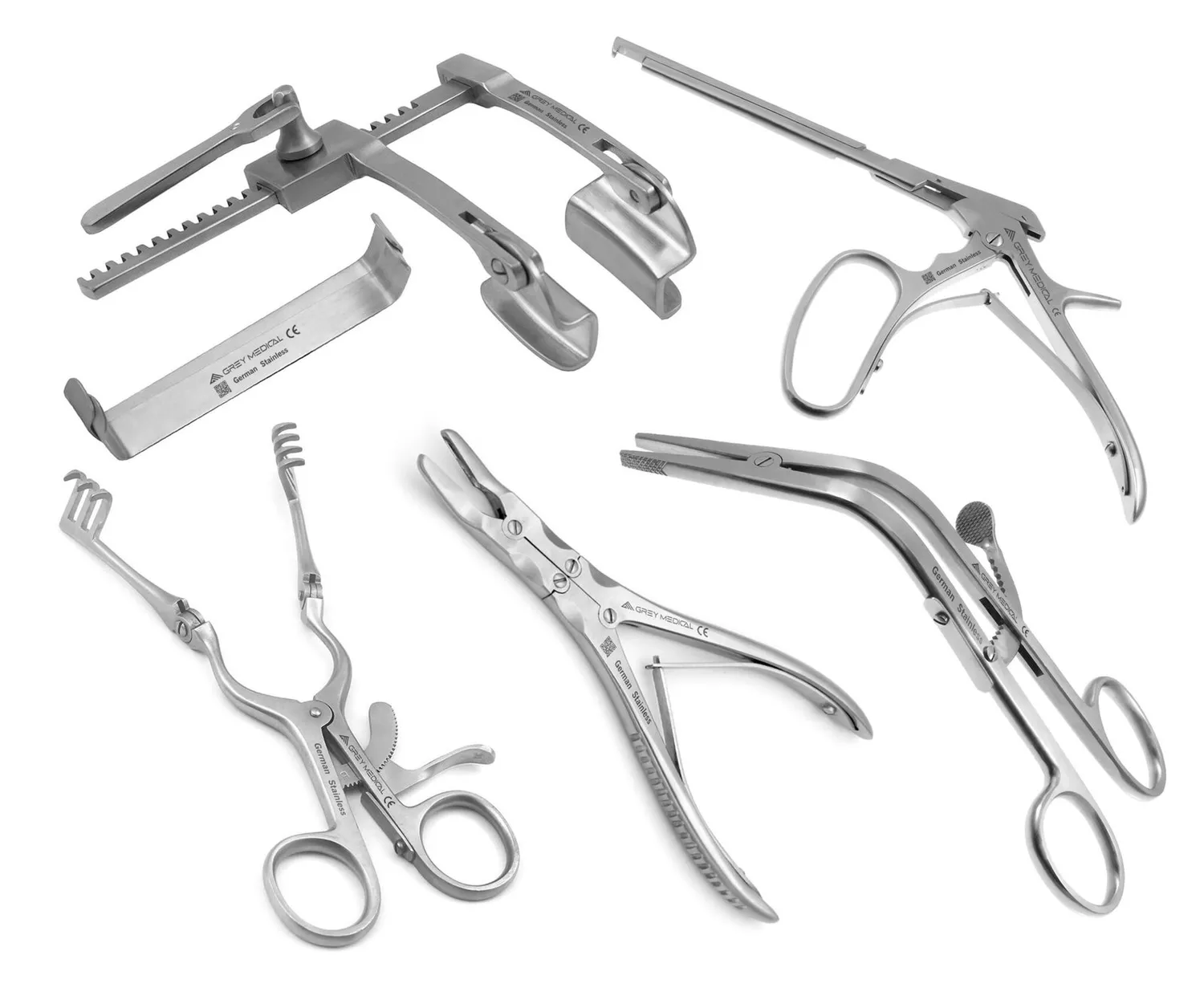
Surgical instruments are essential tools in any operation, each with a specific function designed to assist surgeons in performing procedures with precision and efficiency. These instruments range from basic cutting tools to highly specialized equipment tailored to specific surgeries. The names of these operation instruments reflect their use, design, and the part of the body they are intended for. Understanding the names and types of surgical instruments provides insight into the complex and highly coordinated environment of the operating room.
Categories of Surgical Instruments by Function
Operation instruments are generally categorized based on their function during surgery. The primary categories include cutting and dissecting instruments, grasping and holding instruments, clamping and occluding instruments, retracting and exposing instruments, and suturing instruments. Each of these categories contains numerous tools, each with unique features suited for specific surgical tasks. For example, in the cutting and dissecting category, instruments like scalpels, Metzenbaum scissors, and tenotomy scissors are used for slicing through tissue with varying degrees of precision.
Commonly Used Surgical Instruments and Their Names
One of the most well-known surgical instruments is the scalpel, a small and extremely sharp bladed tool used for making incisions. Scalpels come with different blade shapes, such as the No. 10 or No. 15 blade, which are selected based on the procedure being performed. Another common cutting instrument is the surgical scissor, which includes variations like Mayo scissors for cutting tough tissues and Metzenbaum scissors for more delicate tissue.
Grasping and holding instruments include forceps such as Adson forceps, used for holding delicate tissues, and Allis forceps, which are used for grasping heavier tissues. Hemostats like the Kelly and Crile clamps are clamping instruments used to control bleeding by clamping blood vessels. These instruments are named after the surgeons who first developed or popularized their use.
Retractors, such as the Richardson retractor or the Senn retractor, are designed to hold back tissue and expose the surgical site. These instruments are crucial for visibility and access during surgery. In orthopedic procedures, larger retractors like the Hohmann retractor are used to expose bones. Meanwhile, in abdominal surgeries, self-retaining retractors such as the Balfour retractor are often employed.
Suturing instruments include needle holders such as the Mayo-Hegar or the Castroviejo, which are used to hold and manipulate the needle while suturing. These instruments require precision and are vital in closing surgical incisions effectively. Other notable instruments include suction tips like the Yankauer for clearing fluids, and electrosurgical pencils used for cutting and coagulating tissue with electric current.
Conclusion
The operation instrument names reflect a deep history of surgical innovation and specialization. Each instrument plays a critical role in the successful completion of surgical procedures. From the basic scalpel to the highly specialized retractor, these tools are meticulously designed to support the skill and expertise of the surgical team. Familiarity with these instruments is essential for anyone involved in surgical care, whether they are a surgeon, nurse, or surgical technologist.