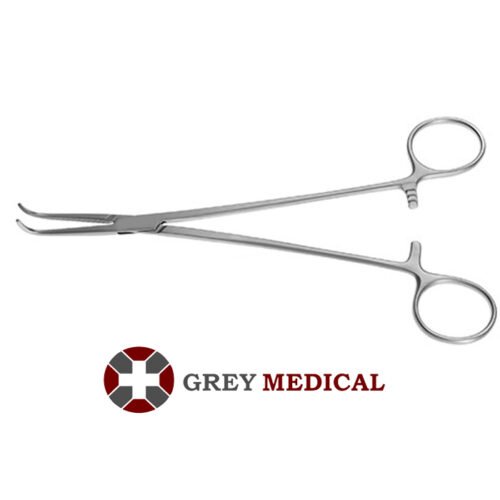
The right angle clamp, also known as a Mixter forceps, is an essential surgical instrument used across a variety of medical procedures. Its unique design, featuring a handle and a sharply curved jaw that forms a near 90-degree angle, makes it invaluable for navigating complex surgical tasks. Whether separating tissues, clamping structures, or controlling bleeding, the right angle clamp plays a significant role in optimizing precision and enhancing surgical outcomes. While tools like the right angle clamp are highly specialized, surgeons often compare them with other instruments, raising questions like, “What is a Kelly clamp?” Understanding the nuances of these tools helps highlight their specific functions and unique applications.
The Purpose of a Right Angle Clamp
Right angle clamps are particularly useful for surgeries that require access to deep or challenging areas within the body. The curve of the jaw allows surgeons to reach around structures such as blood vessels or organs without applying excessive force or causing unnecessary damage. This precision ensures that even when operating in confined spaces, vital structures remain intact and the risk of complications is minimized.
One of the primary functions of a right angle clamp is to hold tissues or sutures in place during procedures. The sharp yet controlled grip of the instrument ensures that tissues can be manipulated with minimal slippage. This function often extends to clamping blood vessels, making the right angle clamp indispensable in controlling bleeding, whether during routine operations or emergency interventions.
Additionally, the tool is adept at creating pathways within the body. Surgeons use right angle clamps to pass sutures, surgical ties, or wires around critical structures, such as major vessels or nerves. This capability is especially evident when the clamp is used in delicate procedures, including cardiovascular or gastrointestinal surgeries.
Right Angle Clamp vs. Kelly Clamp
While the right angle clamp is specialized in its design and function, comparisons with other surgical tools, such as the Kelly clamp, often arise. For those wondering, “What is a Kelly clamp?” this instrument is another vital surgical tool with its own defined applications. Unlike the sharply angled jaw of the right angle clamp, the Kelly clamp has straight or slightly curved jaws designed for gripping and clamping medium-sized vessels or tissues. It is commonly used for hemostasis or holding heavy sutures.
The differences in design reflect the distinct roles these tools play in surgery. While both instruments assist in clamping and tissue manipulation, the right angle clamp’s curved jaw makes it more suitable for maneuvering around hard-to-reach structures. Meanwhile, the Kelly clamp excels in more general applications that don’t require extensive precision or angling.
Advancements in Right Angle Clamp Design
Surgical instruments like the right angle clamp continue to evolve, driven by technological innovation and feedback from medical professionals. Modern versions of this instrument are crafted from lightweight, high-grade stainless steel, combining durability with sterility. The ergonomic designs seen in today’s right angle clamps improve surgeon control, reducing fatigue during lengthy procedures.
Some advanced clamps even incorporate additional features, such as textured jaws for improved grip or finer tips to enhance precision when working around delicate tissues. These advancements ensure that surgeons can deliver better outcomes while minimizing stress on both the patient and the medical team.
Final Thoughts
The right angle clamp serves as a critical tool in the surgical field, owing to its versatile, precise design. From securely clamping tissues to navigating around sensitive structures, its applications are as diverse as the procedures it supports. While tools like the Kelly clamp might be suited for more general tasks, the specialized function of the right angle clamp allows it to excel in cases requiring heightened precision and control.
For surgeons, mastering the use of tools like the right angle clamp ensures a higher level of competency in the operating room. For patients, this mastery translates to safer procedures and better outcomes. Understanding the unique roles of these instruments, and questions like “What is a Kelly clamp?” further underscores their contributions to advancing surgical care.