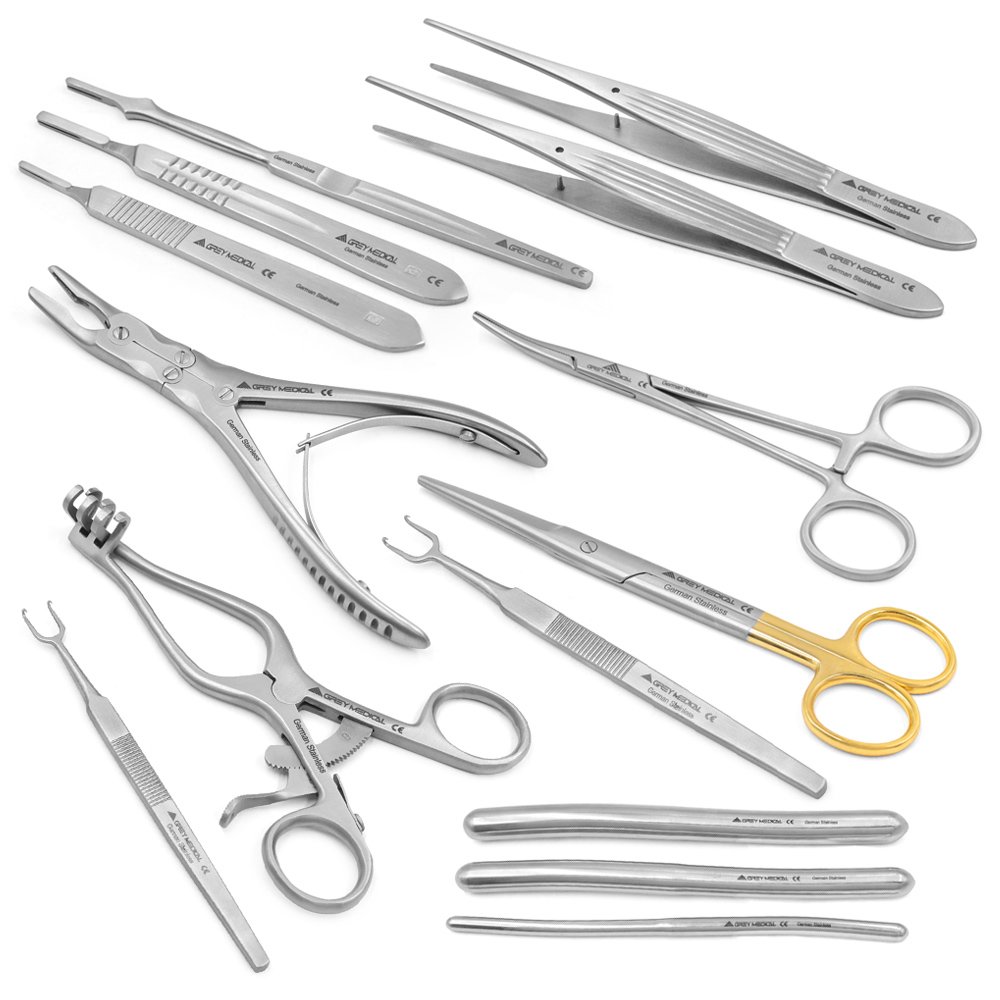
Medical and surgical instruments are indispensable in the practice of modern medicine, serving as the primary tools for performing a wide variety of procedures. These instruments are designed with specific functions in mind, such as cutting, dissecting, suturing, or grasping tissue, and their precision, durability, and functionality are critical to ensuring the safety and success of surgical interventions. From the simplest operations to the most complex, the role of these medical instruments cannot be overstated. Their development and continual improvement have greatly enhanced the outcomes of surgeries, reducing complications and improving recovery times for patients.
Specialized Surgical Instruments for Specific Procedures
Surgical instruments are highly specialized, each crafted to meet the demands of specific medical procedures. For example, fine scissors, such as Metzenbaum scissors, are used primarily in delicate surgeries like microsurgery or ophthalmic procedures, where cutting through soft tissues without causing damage is essential. These scissors are designed with curved, fine blades that allow surgeons to make precise cuts in areas that are difficult to access. Similarly, forceps like the Adson Tissue Forceps are tailored to grip tissues or sutures securely, providing surgeons with the control they need to perform intricate tasks. These tools are indispensable for ensuring that the surgical team can carry out their work efficiently, without compromising the integrity of the tissue or the procedure’s success.
For more complex procedures, surgical instruments are often designed to perform multiple tasks. Instruments like needle holders and forceps are essential for securing and manipulating sutures, while retractors are used to hold back tissues and organs, giving the surgeon better access to the surgical site. Each instrument’s design is tailored to make specific tasks easier and more precise, ultimately leading to better patient outcomes.
The Importance of Material Quality and Durability
The materials used to create surgical instruments are just as important as their design and functionality. Stainless steel is the most commonly used material for surgical tools due to its strength, resistance to corrosion, and ability to withstand repeated sterilization. Instruments such as the Beckman Nasal Speculum are made from high-quality stainless steel, allowing them to be reused safely and effectively in the operating room. Some surgical tools, such as forceps and scissors, incorporate tungsten carbide tips or inserts to maintain sharpness and durability. Tungsten carbide is known for its exceptional hardness, which helps the instrument retain its cutting edge even after extensive use, ensuring consistent performance during long procedures.
Another key consideration in material selection is the instrument’s weight and balance. Tools like the Potts Scissors or the Adson Dressing Forceps are carefully crafted to ensure that they are lightweight and ergonomically designed, allowing the surgeon to maintain control without excessive strain on the hands. The durability of surgical instruments is vital not only for ensuring long-term reliability but also for patient safety, as tools that wear down too quickly can cause damage or fail during critical procedures.
Enhancing Precision and Control Through Ergonomics
Surgeons often work for extended periods, and instruments that are designed with ergonomic features can significantly reduce hand fatigue and increase control during procedures. Many surgical instruments are now designed with handles that reduce strain on the hands and wrists. For example, forceps, needle holders, and retractors often feature ergonomically shaped handles that allow the surgeon to maintain a comfortable grip and fine motor control for precise movements. Instruments with well-designed handles also reduce the risk of slippage, which is crucial during delicate procedures where accuracy is paramount.
The Ongoing Evolution of Surgical Instruments
As medical technology advances, so too do the instruments that support it. The continued evolution of surgical instruments has led to improvements in both their functionality and their material composition. New technologies such as minimally invasive surgery have also driven innovation in instrument design, with tools like laparoscopic scissors and cannulas being developed to access and treat internal organs through small incisions. These advancements in surgical instrument technology allow for quicker recovery times and reduced risk for patients, as less invasive procedures typically result in less trauma to the body.
Additionally, the rise of robotic surgery has introduced a new generation of surgical instruments that are designed to be used in conjunction with robotic systems. These instruments allow for even greater precision, flexibility, and control during complex procedures, further enhancing patient safety and surgical outcomes.
Conclusion: The Integral Nature of Surgical Instruments
Surgical instruments are the unsung heroes of modern medical practice. They are meticulously designed and crafted to perform specific functions that ensure the success of surgeries across various specialties. Whether performing delicate microsurgeries, cardiovascular procedures, or orthopedic operations, these instruments provide the precision, reliability, and control necessary for surgeons to perform their tasks effectively. The continuous improvement of surgical instruments, driven by advances in materials and design, ensures that they remain at the forefront of medical practice, improving patient care, and enhancing the outcomes of surgeries worldwide.