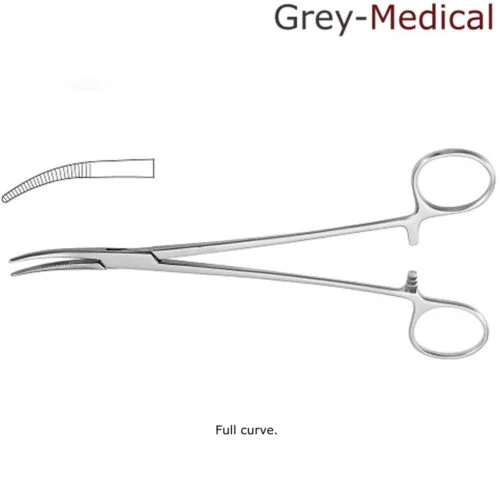
Schnidt Tonsil Forceps are vital instruments in the realm of surgical care, particularly within the field of otolaryngology (ENT). Renowned for their versatility and precision, these forceps have become an essential component of procedures involving delicate tissues in the throat and head. Schnidt Tonsil Forceps unique design and functionality make them indispensable in ensuring the safety and success of complex surgeries.
The Purpose of Schnidt Tonsil Forceps in Surgical Procedures
Primarily used in tonsillectomies and other ENT surgeries, Schnidt Tonsil Forceps are designed to assist surgeons with tasks that demand accuracy and control. They are particularly proficient in grasping, holding, and clamping tissues or vessels during the operation. Their utility extends beyond tonsil surgeries to include procedures like biopsies, suturing, and controlling bleeding in narrow, hard-to-reach areas.
These surgical forceps play an important role in maintaining hemostasis by securely clamping blood vessels, minimizing blood loss, and ensuring a clear surgical field. Their curved design and long reach allow surgeons to access deeper structures while protecting nearby tissues, underscoring their value in medical procedures.
Design and Unique Features of Schnidt Tonsil Forceps
Schnidt Tonsil Forceps are crafted with meticulous attention to detail, ensuring they meet the rigorous demands of surgical environments. Traditionally made of high-grade stainless steel, these instruments possess remarkable durability, sterility, and resistance to wear and corrosion. The forceps are characterized by their fine tips and curved jaws, which facilitate precision in handling tissues and ligatures.
The length of these forceps, which is longer than many other surgical tools, is specifically designed to aid surgeons in accessing deeper anatomical regions. Additionally, the ergonomic grip ensures comfort and control, enabling surgeons to perform intricate maneuvers with ease. This combination of thoughtful design elements makes Schnidt Tonsil Forceps ideal for procedures requiring both delicacy and strength.
Applications in ENT Surgeries and Beyond
While their name emphasizes their role in tonsil surgeries, Schnidt Tonsil Forceps are versatile tools with a wide range of applications. During tonsillectomies, they are used to both grasp and manipulate the tonsil tissue and clamp blood vessels to control bleeding, ensuring the procedure is performed efficiently and safely. Their role is equally vital in other ENT procedures, such as addressing issues with the pharynx or performing biopsies.
Outside of otolaryngology, Schnidt Tonsil Forceps are frequently employed in general surgeries, gynecology, and vascular procedures. Their ability to delicately handle soft tissues and ligatures makes them valuable tools in many surgical disciplines. This adaptability reinforces their reputation as indispensable instruments in operating rooms worldwide.
Enhancing Patient Outcomes with Quality Instruments
The importance of high-quality surgical instruments like Schnidt Tonsil Forceps cannot be overstated. Their precision and reliability directly influence the outcome of surgical procedures, contributing to reduced complications, improved recovery times, and enhanced patient safety. The ability to hold and cut tissues cleanly minimizes trauma to surrounding areas, ensuring surgeries are as minimally invasive as possible.
The use of advanced, well-designed tools also has a positive impact on surgical teams. Instruments that are easy to handle and perform reliably allow surgeons to focus entirely on the procedure, improving overall efficiency. This highlights the symbiotic relationship between skilled surgical techniques and the tools that support them.
Advancements and the Future of Surgical Forceps
The evolution of surgical forceps, including Schnidt Tonsil Forceps, is a reflection of continuous innovation in medical technology. Modern forceps now incorporate materials and coatings that increase their longevity and reduce glare under surgical lights. Precision manufacturing techniques have also improved the alignment and grip of forceps, further enhancing their functionality.
Looking forward, the integration of smart technology may lead to forceps equipped with sensors that provide real-time feedback during surgery. Such advancements could significantly enhance surgical precision and safety, particularly in critical fields like ENT. These innovations will not only refine existing tools but also expand their scope of applications in patient care.
Schnidt Tonsil Forceps stand as a testament to the importance of specialized surgical instruments in modern medicine. Their role in promoting precision, safety, and positive outcomes underscores their indispensability in both ENT surgeries and broader medical practices. By continuing to refine their design and functionality, these tools will remain invaluable assets in the advancement of surgical care.