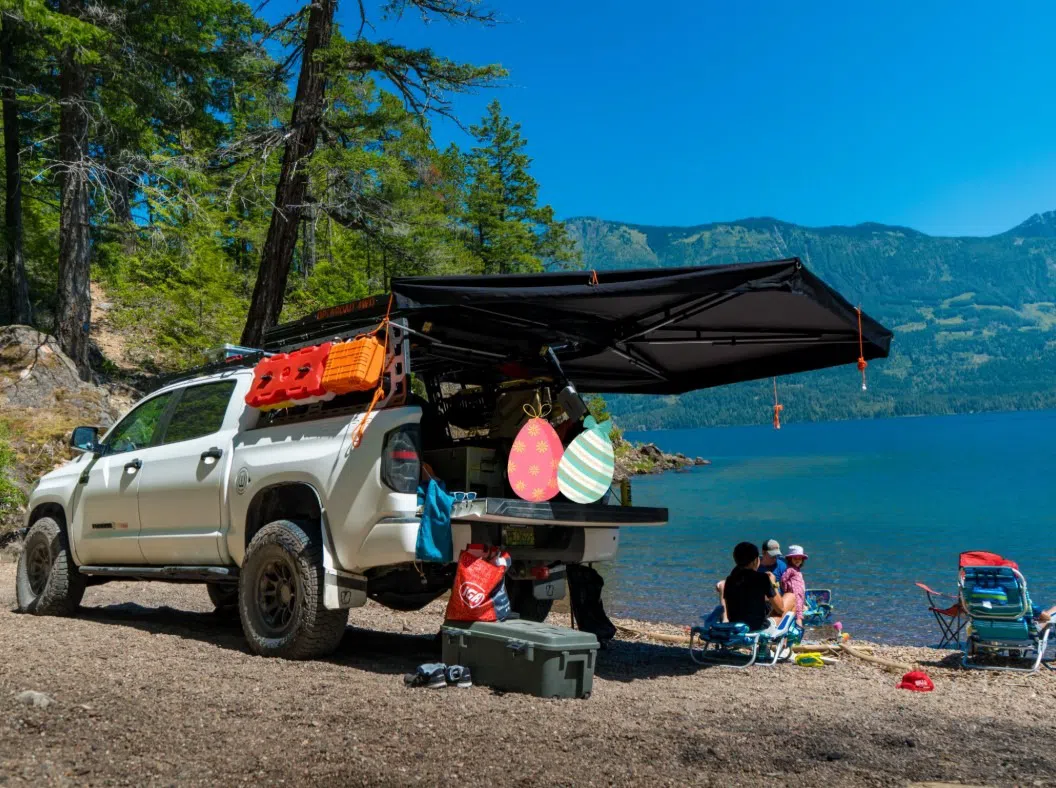
Getting stuck is never planned, but anyone who has spent time on trails, dirt, sand, or snow knows it occurs. A vehicle buried past its axles or a Jeep overturned into a ditch may turn a pleasant weekend into a long, cold wait for help without the correct recovery tool. A reliable off-road winch earns its keep there. Not just an accessory, it's the difference between self-recovery in 20 minutes and a tow vehicle that may never arrive.
With so many models, choosing one might be difficult. This guide details what to look for in your next open road winch to match your vehicle, terrain, and budget.
Why Every Off-Roader Needs a Reliable Winch
Winches aren't just for extreme rock crawlers. Weekend campers, overlanders, hunters, and daily off-roaders need to pull a vehicle for a sunken tire, a fallen tree blocking the trail, or a fellow traveler. A quality open road winch provides you with the confidence to go further because you're not dependent on cell signal or a passing stranger to get unstuck.
Match Winch Capacity to Your Vehicle's Weight
The biggest error consumers make is purchasing a winch based on pricing rather than pulling capacity. A winch should be at least 1.5 times your vehicle's gross weight, including baggage, gear, and any rooftop tent or truck cap. Avoid underestimating, since a half-ton pickup with camping gear pulls differently than one without. Open Road winches from 10,000 to 13,500 pounds can accommodate most full-size trucks and Jeeps, while lighter ATV and UTV systems can use smaller capacities.
Synthetic Rope vs. Steel Cable
Rope choice influences safety and daily use. Steel cable is strong and abrasion-resistant yet heavy, burr-prone, and dangerous if it splits under tension. Synthetic rope is lighter, floats, and is safer to recover from because it doesn't retain hazardous energy. Most modern off-road winches, notably OPENROAD's Panther Series, come with synthetic rope because it's easier to handle, coils cleanly, and decreases vehicle weight, improving fuel economy and payload.
Motor Type and Line Speed Matter
Winches use permanent magnet or series wound motors. Lighter and cheaper permanent magnet motors are perfect for occasional pleasure. Series wound motors provide more consistent power under big loads, making them ideal for serious overlanders and off-roaders who winch often. Line speed, or how rapidly the winch pulls under load, reduces time spent in muck waiting for your rig to free.
Mounting, Compatibility, and Bumper Setup
Make sure your winch fits your bumper or mounting plate before buying. Tacoma, Gladiator, Ranger, F-150, and RAM aftermarket front bumpers commonly show winch measurements. If you're updating your front end, design the winch and bumper together to ensure proper cabling, fairlead location, and control-pack mounting.
Weatherproofing and Build Quality
Recovery rarely occurs in optimum weather. Mud, stream crossings, and snow are frequent in off-road use, so look for a winch with a sealed housing that resists water and dust. Aluminum or waterproof-coated housings withstand corrosion better than inexpensive steel, increasing winch life over years of trail use.
Don't Forget the Rest of Your Recovery Kit
Winches operate best in comprehensive setups. With a snatch block, tree saver strap, and D-ring shackles, you may pull at different angles. Since most winching trips are camping trips, many OPENROAD customers accompany their winch upgrade with an off-road tent or hard-shell rooftop arrangement, turning a recovery tool purchase into an overlanding upgrade. Building a rig for long travels rather than day outings should include off-road tents and recovery gear.
Final Thoughts
Matching capacity to your vehicle, choosing the suitable rope type, and investing in weatherproof build quality for genuine trail conditions are the keys to choosing the right winch. A good winch is one of the most important improvements for a Tacoma for weekend trips or an expedition rig. Search our winch and recovery gear selection to find the setup that keeps you moving on every trail.