
It's not easy to pass the PMI PMP certification exam. The PMP is hard to study for since it has a strict format, questions based on real-life situations, and a wide range of topics that cover people, processes, and business contexts.
Still, thousands of professionals pass it every year, and many of them do so with the help of online resources, such as the PMP Coursera course. Whether you're a seasoned professional seeking to enhance your skills or a new project manager looking to learn more, the right study plan and a structured PMP training course can make all the difference.
Here are some useful tips to help you excel on the exam if you use Coursera's PMP certification training course, which was developed with input from top instructors and aligns with PMI standards.
Learn How the PMI PMP Certification Exam Is Set up First.
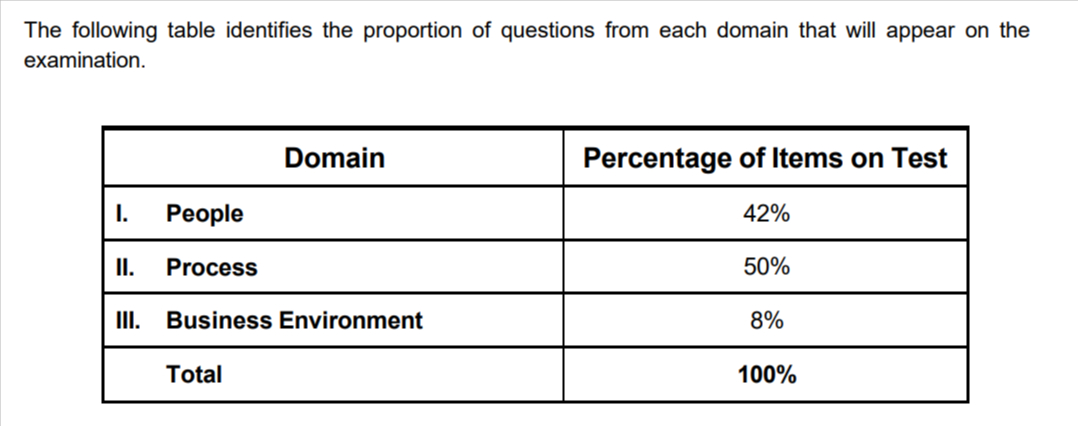
PMI made changes to the PMP exam that are built on three main areas:
- People (42%)
- Process (50%)
- Business Environment (8%)
You have 230 minutes to answer 180 multiple-choice questions. The questions are on agile, hybrid, and predictive methodologies. Because of this shift from memorizing to answering questions that require you to apply what you've learned, it's essential to comprehend ideas truly, not just recall their meaning.
Coursera's PMP certification training addresses this challenge by utilizing real-life case studies and project scenarios to demonstrate how these disciplines work together in various fields. The PMI 2023 Exam Content Outline says that the test will focus more and more on leadership, risk management, and the ability to adapt to new situations. This means that questions based on scenarios will be standard.
Create a Study Plan That Works for You.
One great thing about PMP training and certification through Coursera is that you can do it at your own pace. However, if you lack discipline, being flexible can easily lead you to procrastinate.
Divide your study plan into goals for each week. Allow 6 to 8 weeks for focused preparation, depending on your level of experience. Spend some time going over one area of knowledge at a time, and then go over how it can be used in real life.
Use a study planner to keep track of your work. Utilize Coursera's weekly reminders and pacing ideas to stay on track effectively. Many students perform better when they consistently study for one to two hours a day, rather than cramming right before the exam.
Practice, Practice, and More Practice
The test may seem too hard, even if you understand the material well, if you haven't practiced answering PMP-style questions. Coursera's end-of-module quizzes and practice tests should be utilized frequently. The site features hundreds of practice questions, some of which closely resemble the actual test and include multiple-choice questions.
Additionally, become familiar with the theory behind PMI. There isn't always one "right" answer to a question, but there is always one best answer. Timed practice not only helps accuracy but also the speed at which you can make decisions.
Learn the PMBOK, but Do More than That.
Don't use the PMBOK Guide as your sole source of information, even though it serves as the basis for PMP project management training. This is not just the PMBOK that the PMP exam is built on. It is also the Exam Content Outline (ECO). That's where Coursera PMP training shines—lessons are aligned with both the PMBOK and the most recent ECO, and they delve into great detail about both agile and hybrid methods.
For instance, Coursera's course by Learnkarts places a strong emphasis on teamwork, engaging stakeholders, and servant leadership, all of which are important for the People domain but may not be covered in more traditional tools.
Find a Study Group or Community Online and Join It.
Learning on your own can make you move more slowly. Many people who are learning benefit from connecting with others in PMP LinkedIn groups or discussion boards. Coursera's community boards and peer-graded tasks enable students from all over the world to communicate with one another.
You'll receive support and be open to ideas, questions, and interpretations that you might not have considered on your own. Sharing what you've learned is a smart way to keep learning.
Stick to Your Routine and Approach Test Day like a Pro.
Instead of learning new things the week before your test, go over your notes, outlines, and flashcards again. Coursera makes this easy by providing you with review tools and checklists. Take two or three full-length practice tests before the actual test.
Stay calm and confident on test day. If needed, use the first 10 to 15 minutes to write down essential numbers or frameworks. Smartly use your time—mark tough questions so you can come back to them later. Don't forget that it's not about being great, but about having a plan.
In conclusion
It takes more than memorization to pass the PMI PMP certification exam. You need to understand, plan, and practice regularly.
You can join the group of PMP-certified professionals around the world who are shaping the future of project management if you use the right tools, such as the Coursera PMP certification training course!