"Can someone be in charge of a project without being in charge of it?" During a team meeting, Priya, who is in charge of marketing at a medium-sized tech company, asked that question.
Launching a product website was almost over, and she was in charge of arranging designers, content writers, developers, and SEO experts. The due date was soon. It was essential. And there was no sign of the project boss.
"You pretty much ran that like a project manager," her CTO said after the launch.
She realized then that project management isn't a job title; it's a set of skills. Today's fast-paced, cross-functional workplaces don't just hire certified workers to know the basics of project management. Anyone can learn them.
You likely manage projects, people, deadlines, and deliverables, even if you don't know it. Whether you work in HR, marketing, sales, operations, or tech support, this is true.
The New Normal: Projects Everywhere
A study from the Project Management Institute says that companies that don't put enough emphasis on project management fail 67% more often than those that do.
Professionals from all fields are being pushed into project-based jobs without any formal training at a time when flexibility, adaptability, and teamwork are very important.
That's why learning the project management fundamentals can help you stand out and make a real difference, even if you don't want to become a project manager full-time.
What PMP Fundamentals Teach You?
1. Better setting goals and managing time
Learning to break down big jobs into smaller, more manageable parts is an important part of becoming a PMP. Whether planning a company vacation or helping a new customer get started, project planning skills are important. Work Breakdown Structures (WBS), Gantt charts, and risk grids are all tools that can be used anywhere and are usually taught in PMP certification courses.
2. Better leadership and communication
Grammarly's 2023 State of Business Communication study found that 72% of business leaders think good communication has made their team more productive.
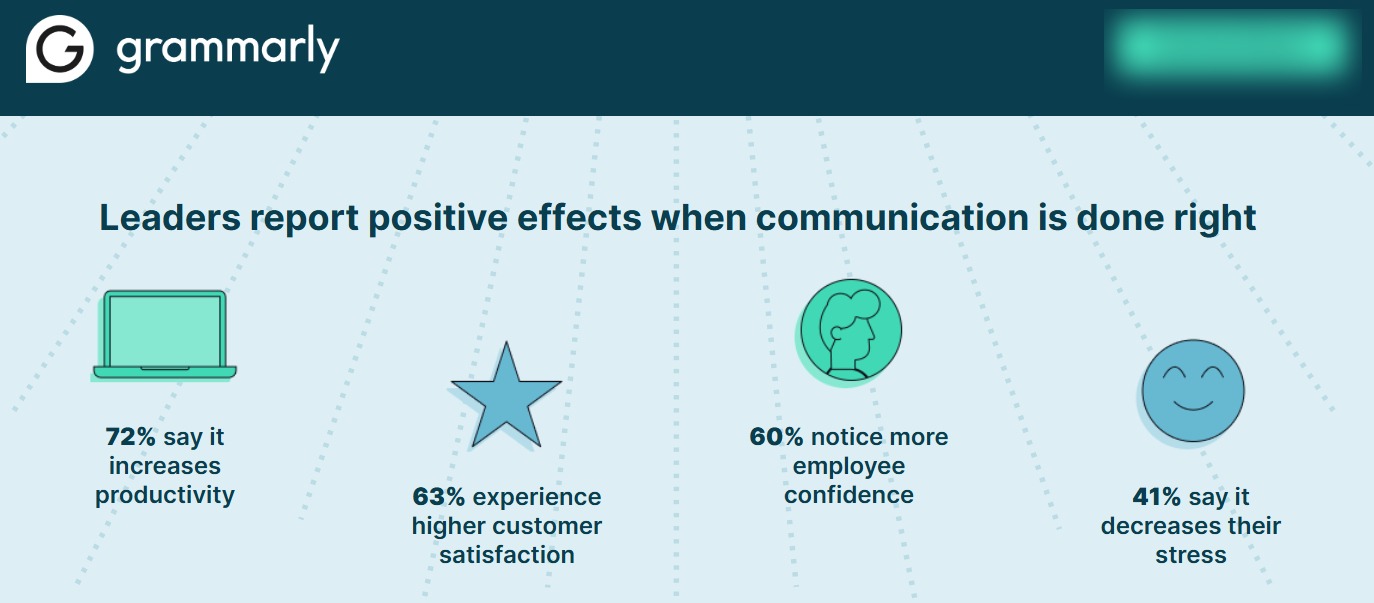
Project management offers frameworks for involving stakeholders, feedback loops, and escalation paths. These are important skills for anyone who leads or coordinates a team.
3. Better control of risks and budgets
People who aren't managers are supposed to know about money. You learn how to predict costs, handle budgets, and spot early project risks in PMP courses. Whether planning a marketing campaign or updating an internal system, these are important skills.
4. An advantage in the job market
The PMP certification training course on Coursera, which was made in partnership with Learnkarts, teaches students about best practices known worldwide. Even if you don't want to get the PMI PMP certification, this training will improve your resume and show that you can be a leader.
Everyone Should Learn the Basics of PMP Training
Here is a real-life example:
His job is as a software engineer at a transportation company.
Even though writing code is his main job, Ahmed often works with product managers, QA testers, and designers.
After taking the Coursera PMP specialization, he learned how to describe project scope and set clear milestones. This made him more productive and reduced delays for everyone on his team. His boss now puts him in charge of the technical aspects of big projects all the time.
The course he took?
Coursera's PMP certification training course.
What do the Graphs Show?
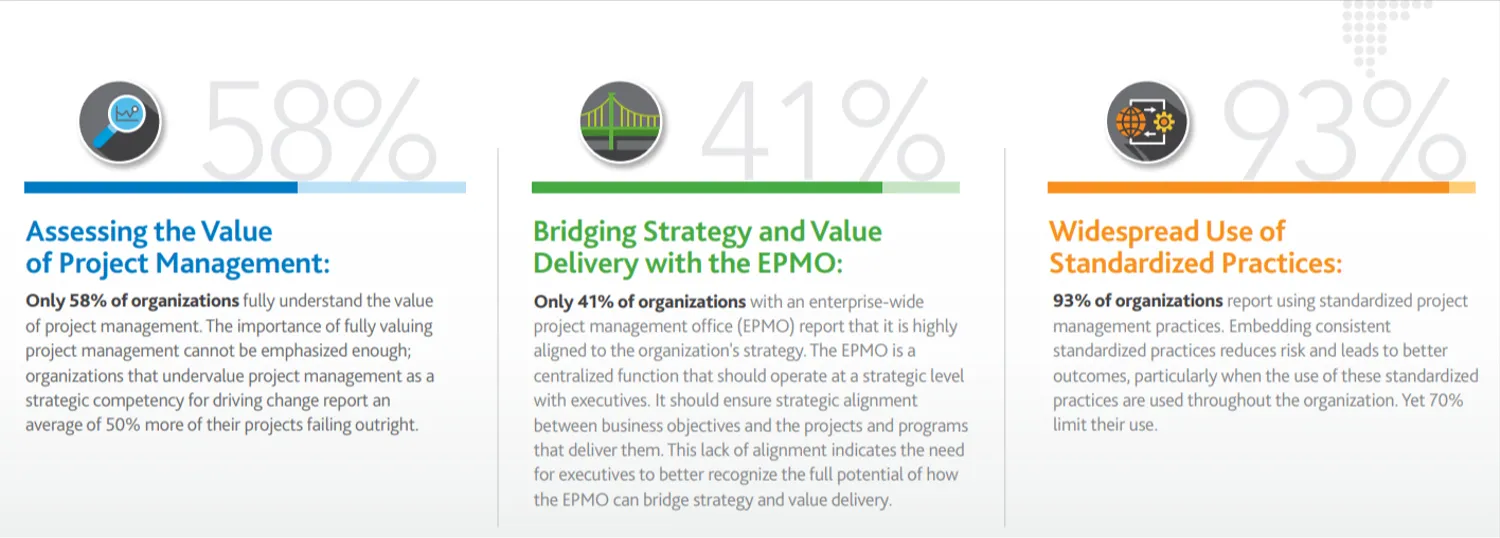
- Not all businesses fully understand how important project management is. Only 58% of them do.
- Companies that use tried-and-true project management methods lose 28 times less money on projects.
- People who aren't project managers often take charge of projects without being trained, which can cause problems with communication, missed deadlines, and price overruns.
The skills you learn in PMP project management training can help you with your projects, whether you are called a "Project Manager" or not. They help make sure that they are finished on time and within budget.
Last Thoughts
It's not about getting a new title when you learn the basics of project management.
No matter your job, it's about giving yourself the mindset and tools to lead, inspire, and get things done. The PMP Certification Coursera course makes this important skill easy for workers in any field.
If you work with targets, teams, and deliverables daily, then the real question is: can you afford not to learn project management?