Nikhil was a client manager at a new digital marketing agency. He had years of experience, a good portfolio, and a strong network. But after just a few weeks, things started to go wrong.
Clients weren't responding quickly, there were more misunderstandings within the company, and his boss told him that people were complaining about the way he talked to them.
Nikhil was surprised when he looked back at his email threads and saw that the problem wasn't with the message itself but with the tone, structure, and lack of clarity. Clients got the wrong idea from emails that were too abrupt or not written correctly.
Nikhil changed how he communicated with people after taking a course on email etiquette in the workplace. In just one month, his team was able to work together better, and his clients were happier.
Professional email etiquette is a crucial skill that is often overlooked in the workplace. Nikhil's experience demonstrates the importance of this. Today, most of the things we say to each other are written or online, so the way you write is just as important as what you write.
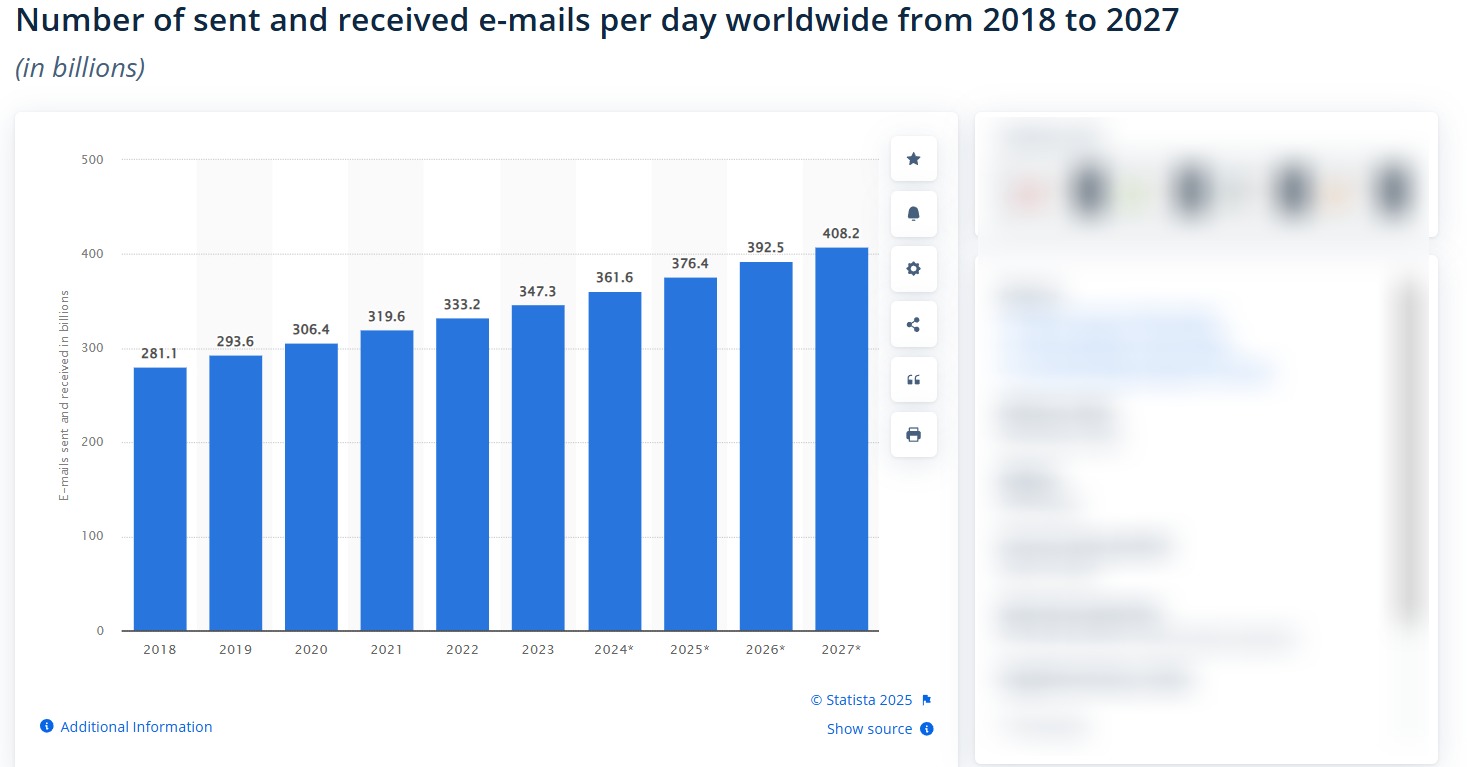
Even though real-time tools like Slack and Teams are becoming more popular, companies still use email a lot in 2025. Since 2022, approximately 333 billion emails have been sent and received daily, but by 2025, this number is expected to increase to over 376 billion emails sent and received daily.
For professionals, emails are the main way they talk to clients, partners, and coworkers. The problem is that most people haven't been taught how to write good emails. That's where the gap starts.
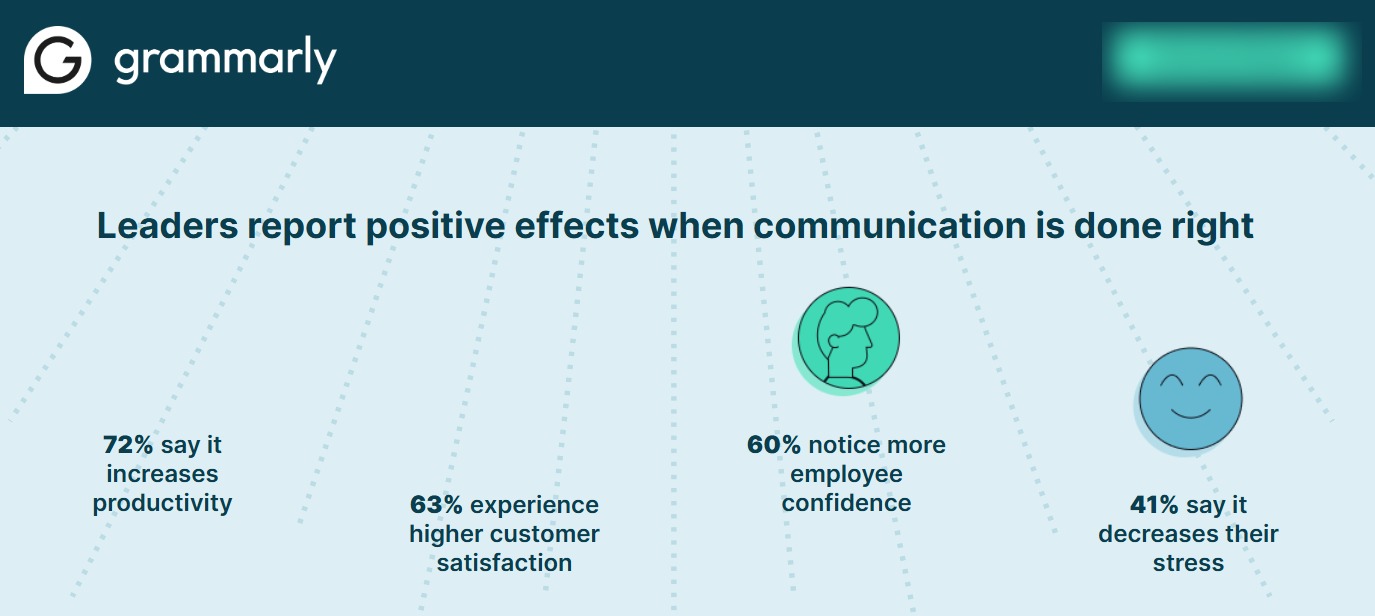
In the workplace, professional email etiquette is more than just not making mistakes and greetings. It's about ensuring clarity, respect, and tone, which have a direct impact on how you work with clients and your own team. A Grammarly study found that companies with clear communication retained more employees, accomplished more work, and were 63% happier with their customers.
Think about how much bad email habits cost. One unclear or badly organized email to a client can slow down decisions, make disagreements worse, or, even worse, hurt trust. For example, not greeting someone, using excessive jargon, writing in all capital letters, or responding too quickly can all be perceived as careless or even rude.
A 2023 Forbes story states that misreading the tone of an email is one of the primary reasons for conflict at work and strained relationships with clients.
This is why learning email etiquette rules is now required, not just a choice. You will understand how to write subject lines that get people's attention, how to organize messages so they are easy to read quickly, and how to use the right tone for each person you are writing to.
Whether you're asking your boss for something or giving a client an update on your service, your message should be confident, clear, and polite.
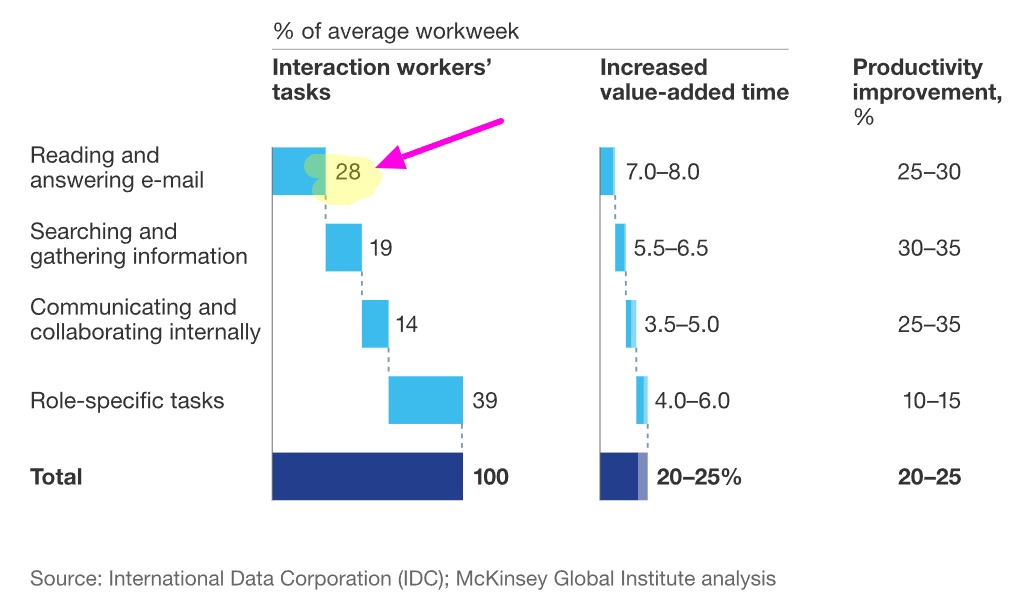
Time management is another benefit that you might not initially consider as crucial to improving your email writing skills. According to McKinsey, the average worker spends 28% of their week reading and responding to emails. By knowing the email etiquette tips, you can cut down on back-and-forth, avoid misunderstandings, and make more time for more important jobs.
Different cultures, industries, and job roles also have different examples of professional email etiquette. When setting a deadline, a senior leader may use a different tone than when presenting a project report to a peer. That's why role-playing and scenario-based tasks that look like real conversations in the workplace are often part of a structured email writing course.
Good email habits have an impact on more than just communicating with clients; they also help teams work together more effectively. It helps build a mindset of trust, accountability, and responsiveness. Teams work better together, avoid confusion, and build stronger working relationships when they email each other. This is particularly important for hybrid or remote teams that can't always communicate in person.
Coursera and other sites offer specialized, beginner-friendly programs, such as the Email Etiquette Training course, that can help students and workers improve these skills. These lessons teach you how to use email properly and include exercises, rules for proper email behavior, and tests to see how much you've improved. Learners feel confident and skilled in their written communication after learning how to use the right style and punctuation, as well as how to make their writing easy to read and sensitive to tone.
Finally, being able to write well-thought-out, business-like emails is no longer just a "nice-to-have" skill; it has become a competitive edge. It makes you look more polished, earns the trust of clients, and strengthens teamwork. Email etiquette is important because so many chances and first impressions depend on it. Learning it is an investment in your communication credibility.