
Communication is more than just sharing information in today's fast-paced workplace; it's also a means to advance in your career. People often discuss instant messaging and collaboration tools, but knowing how to use professional email effectively remains crucial for maintaining a professional image, achieving your goals, and securing employment opportunities.
Let's talk about why proper email etiquette training is worth the money for both you and your business.
How Much Does It Cost to Not Communicate Well?
Not being able to communicate well is not only annoying, it costs a lot of money.
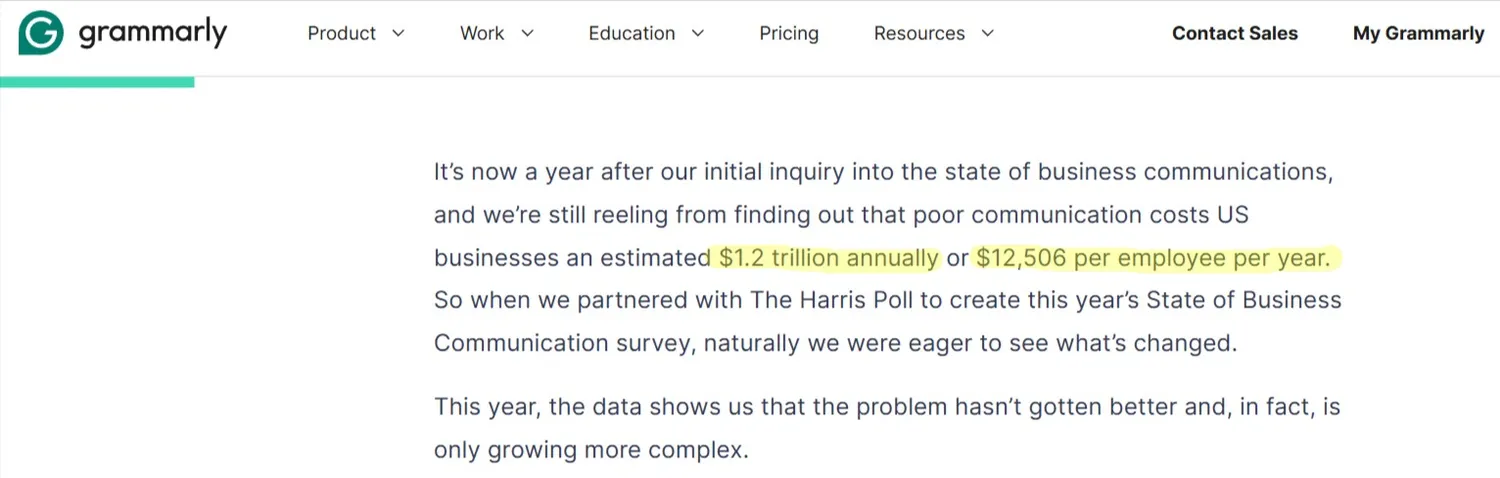
A poll by Grammarly and Harris found that bad communication costs U.S. businesses up to $1.2 trillion a year. Miscommunication costs the average worker nearly 7.5 hours a week, or $12,500 a year per employee. Pumble says that 40% of workers say they are less productive, and 86% say that poor communication causes problems at work.
For individuals, this means missing deadlines, feeling stressed, and having their jobs stop moving forward. For businesses, it slows down tasks and hurts their bottom line.
Why Email Is Still Important?
Even though instant messaging and systems like Slack are becoming more popular, email is still the best way to get things done:
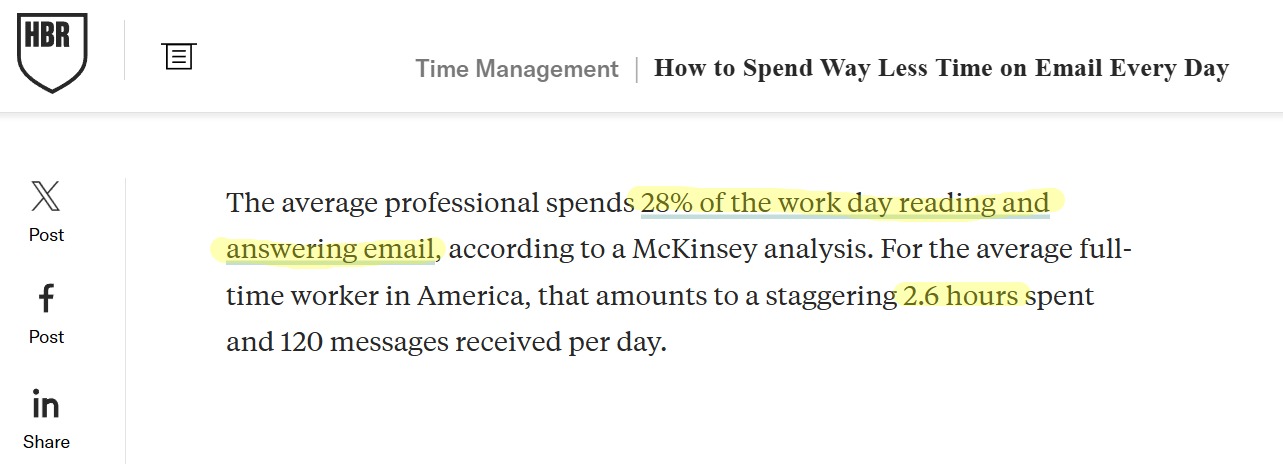
- About 28% of a worker's day, or 2.6 hours, is spent on email management.
- Every day, more than 200 billion emails are sent, and many people still believe it's the best way to communicate with someone.
- More than 55% of contacts with clients and people outside of work are done via email.
Email is still a very important way to communicate, keep records, and build a good image in business.
Email Etiquette Training: Little Money Spent, Big Return
Structured email writing courses have real benefits, such as:
- Saving time: According to HBR, simple things like grouping your emails can save you 14 minutes a day, and computer shortcuts can give you back over 16 hours a year.
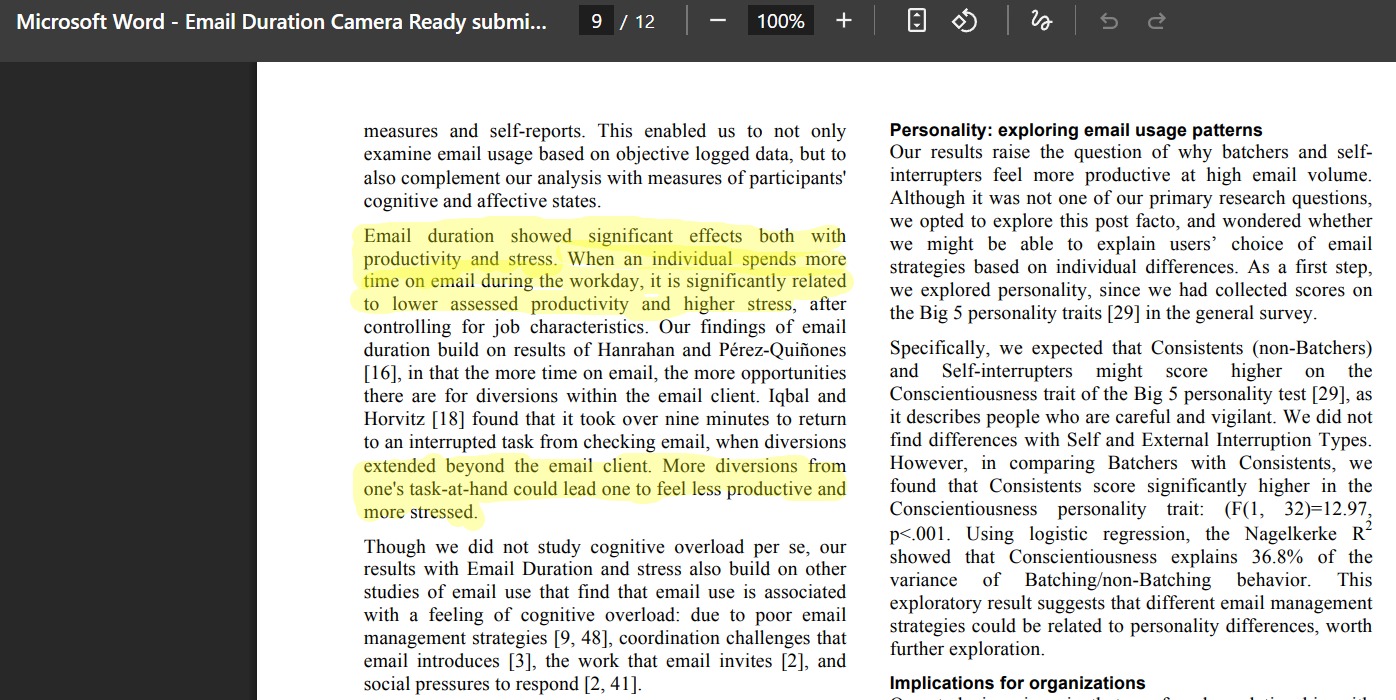
- Less stress: Research from UCI and Microsoft indicates that spending more time on email is associated with less productivity and increased stress.
- Higher morale: Pumble says that 51% of workers feel stressed and burned out due to poor communication.
- The payoff in money: Better email handling can give each employee back six days of work per year, which is huge for the company.
Real Email Etiquette Tips That Work
Focus on these finer points of professional email etiquette to get the most out of it:
- Clear subject lines: List the goal and the need for action.
- How to Greet and End Professionally: Respect Builds Trustworthiness.
- Concise body copy with structure: For clarity, use bullet points.
- Polite Tone: Do not use slang, images, or ALL CAPS.
- Replies on time: Aim for a 24-hour reaction window.
- Good formatting and attachment: This indicates that you paid attention to the details.
- Proofreading: When you make mistakes, they hurt more than just your image.
- Use CC and Reply All with care: Reduce clutter.
- Sign with the important things: Make it clear who you are.
- Batching and self-scheduling: This reduces stress and interruptions.
These aren't just trendy words; they're the best email etiquette rules based on study and real-life effects.
Gains for Both Individuals and Organizations
For individuals, mastering email writing skills enhances visibility:
- Sends fewer vague follow-ups, which makes them seem more confident.
- Shows that you are reliable and careful, which are traits that leaders value.
- Brings up clear communication, which is important for mixed and remote settings.
For teams and companies,
- It cuts the cost of miscommunication by up to $12,500 per person per year for teams and businesses.
- More work gets done because there are fewer talks and delays when tasks are clear.
- Better communication leads to 51% fewer burnout reports, which means less burnout.
- Improves culture—when clarity is the standard, people work together better.
How ROI Works: How Email Works Mathematically
Picture Enterprise Firm has 200 knowledge workers on staff:
- $12,500 per employee saved = $2.5 million annual benefit
- Plus six extra productive days per employee = 1,200 extra days annually
All of this comes from better email manners, which is good for both people and businesses.
Begin Investing Today.
An excellent email writing course by Learnkarts provides professionals with examples of proper email conduct, practice problems, and expert comments that are more valuable than what they can learn on the job. This course helps you understand the standards of proper email behavior, resulting in immediate and long-term benefits.
To summarize,
Learning email etiquette in the workplace is not a "soft skill"; it is something that will assist you and your team in succeeding at work. When you improve your email writing skills, you not only save time and avoid confusion, but you also increase trust, visibility, and opportunity.