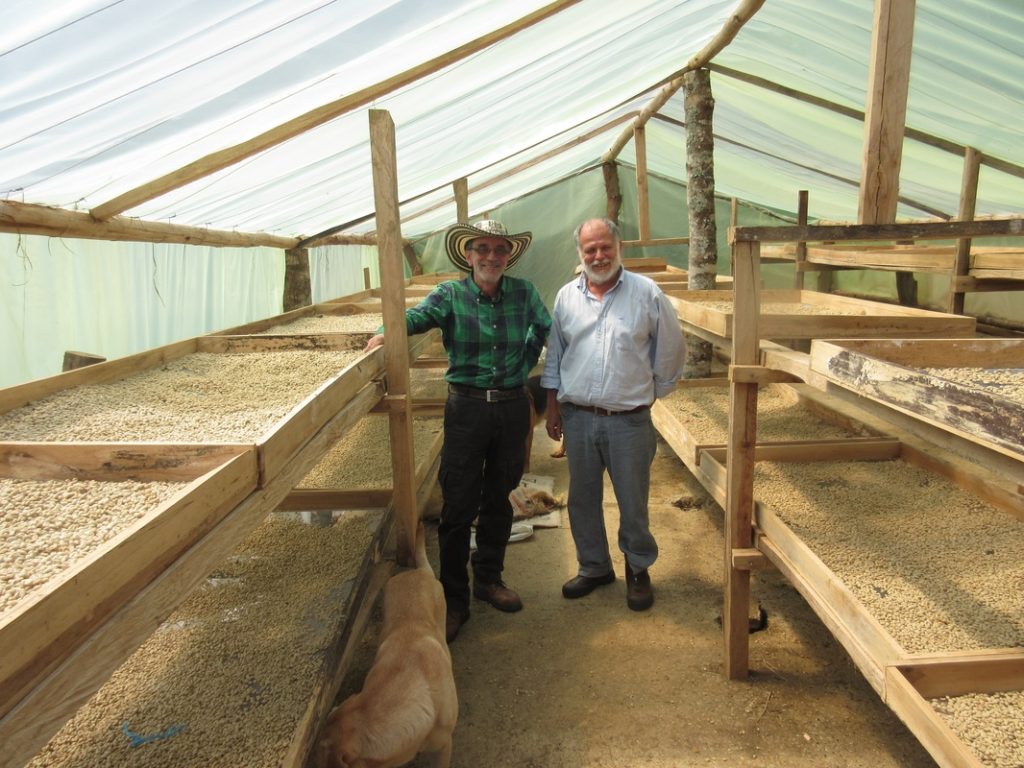
Walking into a roastery used to feel like stepping backstage at a concert. The public saw the finished performance, the roasted coffee in neat bags, the aroma doing most of the talking. What remained invisible was everything upstream, the decisions made long before heat ever touched a drum. That invisibility became a problem once writing shifted from surface-level tasting notes to deeper stories about sourcing, craft, and consequence. Something more fundamental was needed, not another finished product, but access to the starting point.
Why the Search Began at the Green Stage
Years of writing about food and drink sharpen an instinct for where flavour narratives tend to collapse. Too often, roasted coffee stories flatten complexity into branding language, skipping the uncomfortable parts where risk, labour, and long timelines live. The curiosity that followed was not about better roasting technique, but about control and understanding earlier in the chain. That curiosity led directly to unroasted coffee beans, a category often discussed in technical terms but rarely explored as a creative or ethical choice.
Green coffee offered a way to think clearly again. Without roast profiles doing the heavy lifting, quality had nowhere to hide. Density, moisture, uniformity, and aroma mattered immediately. It became clear that starting with unroasted green coffee beans was less about saving money or chasing novelty and more about regaining authorship over the final cup.
Experiencing Coffee Before the Narrative
Handling green coffee for the first time is a grounding experience. The beans smell faintly vegetal, almost neutral, carrying potential rather than promise. There is humility in that stage. Nothing tastes good yet, and nothing is guaranteed. It forces patience.
What stood out most during this experience was the transparency. Documentation travelled with each lot, not as marketing material but as operational necessity. Harvest timing, processing method, drying protocols, and storage conditions were treated as critical data points rather than footnotes. That level of detail allowed choices to be made deliberately, not reactively, which is rare in a category often driven by last-minute substitutions.
For someone accustomed to critiquing finished products, this shift upstream felt like being invited into the editorial room before the headline was written.
What Set This Approach Apart
Many suppliers offer green coffee, but not all support the thinking required to use it well. The difference here lay in consistency and conversation. Lots were curated with restraint rather than abundance, making it easier to learn their behaviour across multiple roasts. Guidance was practical, not prescriptive. Suggestions were framed as possibilities, not rules.
This approach matters deeply for beans for roasters in Ontario, where climate, storage conditions, and batch sizes introduce variables that cannot be ignored. Green coffee that performs predictably in one environment may struggle in another. A supplier who understands that reality, and speaks to it honestly, becomes more than a vendor. They become part of the creative process.
Equally important was pricing clarity. Costs were explained in relation to harvest conditions, logistics, and currency shifts, rather than hidden behind vague market references. That transparency made planning possible and reduced waste, which is an ethical outcome as much as an economic one.
The Unexpected Emotional Shift
What emerged slowly was a change in emotional posture. Working with green coffee invites responsibility. Every mistake is visible. A poor roast cannot be blamed on origin mystique or brand positioning. The accountability is direct.
That accountability also builds respect for the people farthest from the café counter. Handling unroasted green coffee beansmakes the labour behind them tangible. Each defect represents hours of human effort affected by weather, soil, and infrastructure. It becomes harder to romanticise coffee without acknowledging the physical and economic vulnerability embedded in its production.
That awareness changed how coffee was written about. The language became quieter, more precise. Grand claims felt inappropriate. Accuracy became the goal.
Learning from Ontario’s Roasting Landscape
Ontario’s roasting scene is pragmatic by necessity. Energy costs fluctuate. Storage space is finite. Customers range from espresso-focused cafés to community organisations brewing by the litre. Green coffee that works here must be versatile and forgiving without being bland.
Access to reliable beans for roasters in Ontariocreated space to experiment responsibly. Profiles were tested over time rather than rushed to market. Mistakes became lessons rather than losses. The result was not perfection, but confidence, and that confidence translated into better storytelling and better cups.
The most telling sign of success was how little explanation was required once the coffee reached people. Questions shifted from “why does this taste different?” to “when can we get more?”
A Broader Reflection on Craft
Craft is often framed as obsession, but this experience suggested something else. Craft, at its best, is about restraint and clarity. It is knowing which variables to control and which to respect. Starting with unroasted coffee beans reinforced that lesson repeatedly.
There is also a broader industry implication. As consumers grow more informed, the value of traceable, well-supported green coffee will only increase. Not because it is exotic, but because it is honest. It allows roasters, writers, and drinkers alike to engage with coffee as a process rather than a product.
Closing Thoughts That Stay Close to the Ground
The most meaningful outcome of this experience was not a single exceptional cup, but a recalibration of expectations. Coffee does not need constant reinvention. It needs continuity, fairness, and time.
Working from green beans backward into the cup reintroduced a sense of proportion. It reminded everyone involved that flavour is cumulative, built through dozens of small decisions rather than one dramatic moment. For those willing to engage at that level, the reward is not just better coffee, but a clearer conscience and a more credible story to tell.
That, ultimately, is what makes this approach worth recommending.