In the world of modern architecture and design, glass has transcended its traditional role as a mere building material. It has become an integral part of the aesthetics, functionality, and safety of structures. Among the various types of glass available, laminated safety glass stands out as an unsung hero, providing a unique combination of transparency, security, and protection. In this article, we will delve into the fascinating world of laminated safety glass, exploring its features, applications, and the crucial role it plays in contemporary architecture.
What Is Laminated Safety Glass?
Laminated safety glass is a specialized type of glass composed of multiple layers bonded together with a layer of polyvinyl butyral (PVB) interlayer sandwiched between them. This construction is achieved through a process of heat and pressure, which ensures a strong and resilient bond. The PVB interlayer is the secret ingredient that sets laminated glass apart from other types of glass. It plays a pivotal role in enhancing safety and security.
The Unique Features of Laminated Safety Glass
Laminated safety glass offers several unique features that make it an indispensable choice in modern architecture:
- Safety and Impact Resistance: One of the primary benefits of laminated safety glass is its ability to hold together even when shattered. In the event of an impact or breakage, the PVB interlayer keeps the glass fragments bonded, preventing them from scattering and causing harm. This feature is especially crucial in areas where safety is a top concern, such as building facades and automobile windshields.
- Sound Insulation: Laminated glass provides effective sound insulation due to the viscoelastic properties of the PVB interlayer. It helps reduce external noise, making it an excellent choice for urban environments, commercial buildings, and residences near noisy streets.
- UV Protection: Laminated safety glass offers UV-blocking capabilities, protecting interior spaces from the harmful effects of ultraviolet (UV) radiation. This protection helps prevent fading of furniture, artwork, and flooring, preserving the aesthetics of the interior.
- Security: Due to its resistance to forced entry, laminated safety glass is often used in security-conscious applications. It can deter intruders, making it a preferred choice for banks, storefronts, and other high-security environments.
Applications of Laminated Safety Glass
Laminated safety glass is a versatile material with a wide range of applications across various industries. Some of its notable uses include:
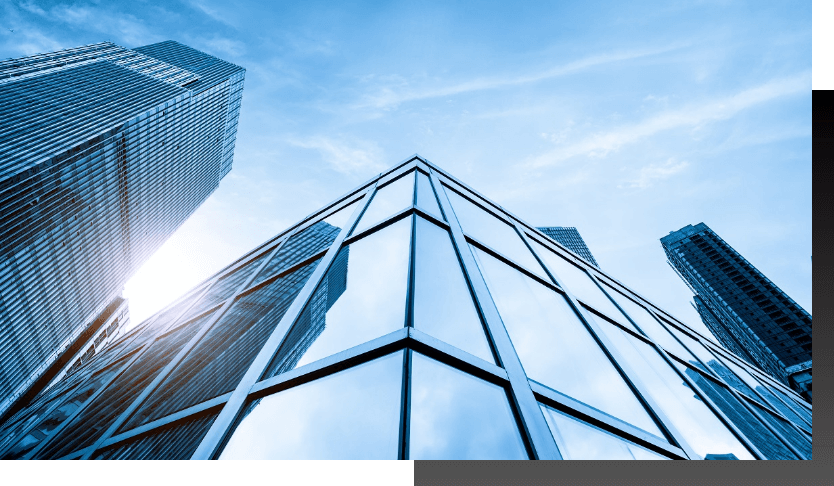
- Architectural Glass Facades: Laminated glass is a staple in modern architectural designs. It is often used for building facades, curtain walls, and large windows, enhancing both aesthetics and safety.
- Automotive Windshields: The windshield of your car is most likely made of laminated safety glass. Its shatter-resistant properties ensure driver and passenger safety, especially in the event of an accident.
- Interior Partitions: Laminated glass is employed in office interiors and residential spaces to create stylish and soundproof partitions while maintaining an open and airy feel.
- Skylights: In homes and commercial buildings, laminated safety glass is used in skylights to allow natural light in while providing protection against falling debris or accidental breakage.
- Showcases and Display Cabinets: Jewelry stores, museums, and galleries often use laminated glass for showcases and display cabinets, ensuring both security and visibility.
- Balcony Railings: Laminated glass railings provide safety without obstructing views, making them popular choices for balconies and terraces in high-rise buildings.
Laminated Safety Glass: Aesthetic Possibilities
Beyond its safety and security features, laminated safety glass offers a world of aesthetic possibilities. It can be customized with various tints, colors, and patterns, adding a touch of elegance to any space. Additionally, it can incorporate decorative interlayers, such as fabric or mesh, to create unique visual effects.
Maintenance and Longevity
Laminated safety glass is known for its durability and low-maintenance characteristics. Regular cleaning with mild soap and water is usually sufficient to keep it looking pristine. Its resistance to environmental factors, such as moisture and UV radiation, ensures that it maintains its clarity and structural integrity over time.
The Environmental Aspect
In an era of growing environmental awareness, laminated safety glass also has a sustainable side. Its longevity and durability mean fewer replacements and less waste. Moreover, laminated glass can contribute to energy efficiency in buildings by reducing the need for artificial lighting and HVAC systems, thus lowering overall energy consumption.
Conclusion
Laminated safety glass is a testament to the remarkable synergy between safety and aesthetics in modern architecture and design. Its ability to combine transparency, impact resistance, sound insulation, and UV protection makes it an invaluable asset in a variety of applications.
Whether gracing the façade of a cutting-edge skyscraper, safeguarding precious artifacts in a museum, or providing a secure view from a high-rise balcony, laminated safety glass quietly plays a crucial role in shaping the world we inhabit.
As we continue to push the boundaries of architectural innovation and design, laminated safety glass remains a reliable partner, ensuring that beauty, security, and sustainability coexist harmoniously in the spaces we create. It may be an unseen guardian, but its impact on the way we experience our built environment is undeniable.
Also Read: Exploring the Advantages of Using Laminated Safety Glass