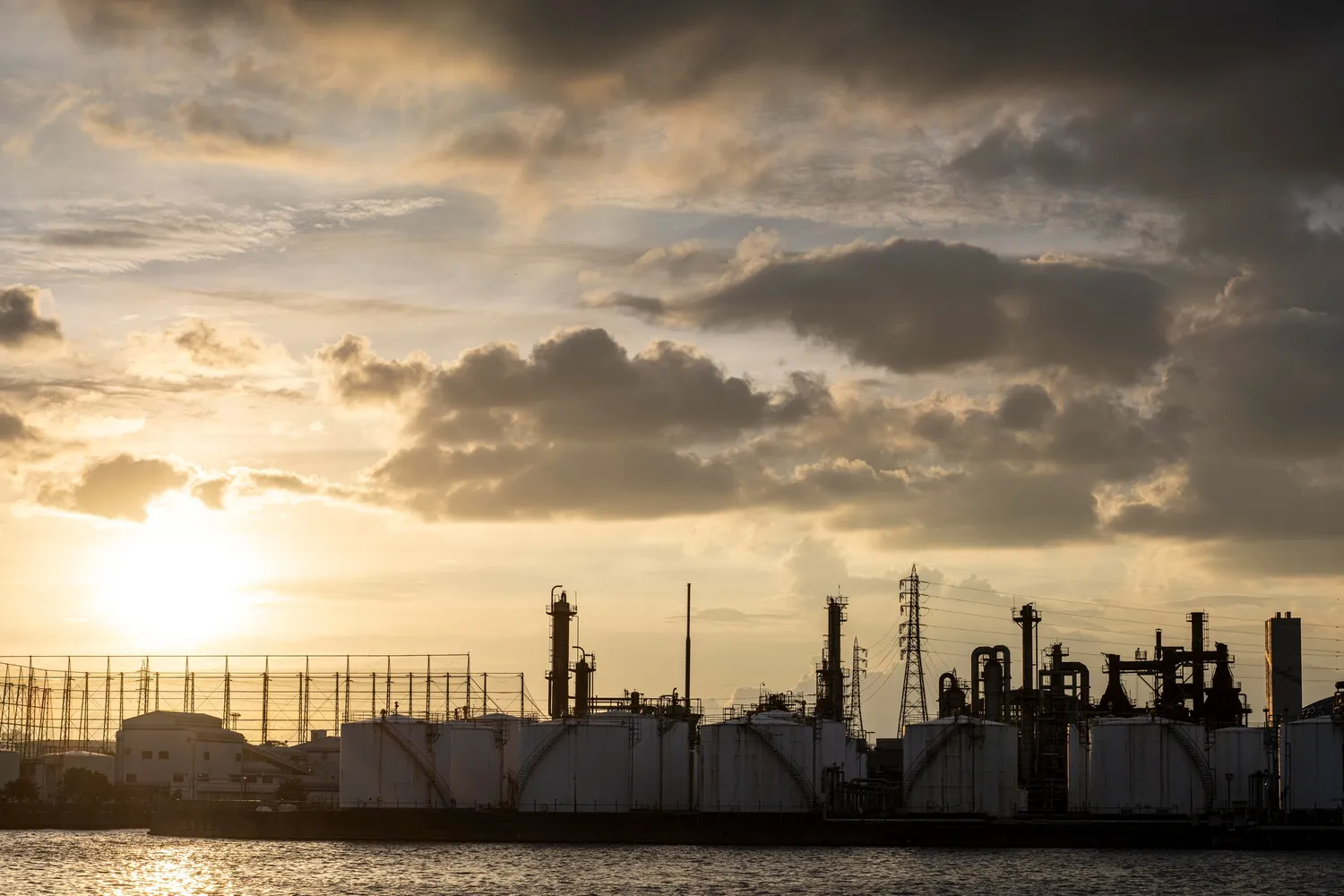
The oil and gas industry is still arguably the biggest economy in the world and is still offering a variety of opportunities for people working in other industries. It does not matter what the category is-may it be for a fresh graduate, technician, or someone trying to transfer from other industries- starting a career in oil and gas can be tedious as well as rewarding.
The following is a step-by-step guide to earning your place in this rapidly changing environment and nurturing a successful career.
Step 1: Understand the Oil and Gas Industry
Before taking the plunge, it is important to understand how the industry operates. The industry is generally divided into three main sectors:
- Upstream – Exploration & Production (drilling, geosciences, reservoir engineering)
- Midstream – Transportation & Storage (pipelines, shipping, logistics)
- Downstream – Refining & Marketing (chemical processing, distribution, sales)
Knowing where your interests and skills will fit will allow you to focus on that spot in your career.
Step 2: Choose Your Specialization
There are an endless number of roles in this technical, operational and support functions. Here are some examples of some popular job categories in oil and gas:
- Engineering - Petroleum, chemical, mechanical, electrical
- Geoscience - Geologist, geophysicist, seismic data analyst
- Field Operations - Rig workers, technicians, supervisors
- Health, Safety and Environment (HSE) - Safety officers, environmental specialists
- Business Support - Procurement, finance, logistics, project management
Picking a specialization so soon will determine much of the educational and training decisions to be taken.
Step 3: Acquire the Right Education and Certification
A solid educational foundation is critical to success. Always bear in mind the kind of role you desire:
- Engineers and scientists need at least a bachelor's degree, if not a master's degree, in an appropriate subject.
- Technicians and operators often require diplomas or certifications from the technical institutes.
- Safety and compliance roles may require HSE-specific certifications like NEBOSH or OSHA.
In addition to these, certification from professional bodies like SPE (Society of Petroleum Engineers) can add more market credibility in several countries around the world.
Step 4: Acquire Practical Experience
Practical training is inevitable for anyone going into this oil and gas industry. Below are some avenues through which one can acquire practical experience:
- Internships or apprenticeships with oil and gas companies
- Field training programs by service providers or drilling contractors
- Volunteer projects or university research related to energy and geology
Real-world experience gives you a competitive edge and helps you build industry contacts.
Step 5: Build a Strong Professional Network
The energy sector is a heavy relationship-built sector. To grow your network:
- Attend industry event, conference, and webinars.
- Join professional organizations such as SPE, AAPG or a local oil and gas organizations.
- Connect with other industry professionals, HR reps, and mentors on LinkedIn.
Networking opens doors to referrals and opportunities within.
Step 6: Apply for Entry-Level Jobs
These are the primary starting points in your job search. These roles should match your background and level of experience. They include:
-Trainee Field Engineer
-Junior Production Technician
-HSE Assistant
-Petroleum Engineer Intern
-Operational Support Specialist
Job hunting websites include LinkedIn, Oil and Gas Job Search, Rigzone, and company websites.
Step 7: Be on the lookout and learn.
This means new technologies such as AI, automation, and sustainable energy methods will suspect multiple changes in the oil and gas industry. Be forward-looking by:
-Doing an online course on Coursera, Udemy, and other specialty industry training portals
- Following energy news and trends
- Upskilling on data analytics, remote monitoring, or environmental compliance
Conclusion
Entry into the oil and gas sector requires planning, perseverance, and a lot of learning. By using this step-by-step approach - understanding the sector, choosing the way, getting an education, and networking - you will set up the stage for a long and successful journey within one of the most critical sectors in the world.
Read Also- Offshore Oil & Gas Training Courses: A Gateway to Lucrative Careers in the Energy Industry