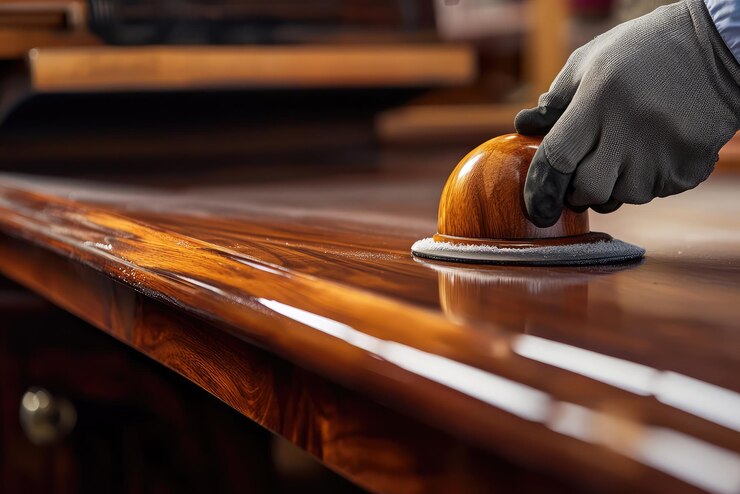
When it comes to preserving and enhancing the natural beauty of wood, achieving a durable finish is key. Whether you’re restoring furniture or maintaining hardwood floors, the right combination of finishing wax for wood and wood wax oil can offer the protection and elegance your wood deserves. In this guide, we’ll explore how to use these products effectively and highlight how they work in harmony to give your wood surfaces a lasting, high-quality finish.
Understanding Finishing Wax for Wood
Finishing wax for wood is a popular product used by woodworkers and DIY enthusiasts to protect and enhance the look of wooden surfaces. Finishing waxes are often made from natural substances like beeswax or carnauba wax, and they provide a soft, satin sheen to the wood while protecting it from moisture, dirt, and daily wear.
Unlike varnishes or polyurethane, wax doesn’t create a thick, glossy layer on top of the wood. Instead, it forms a protective coat that penetrates the wood’s surface, allowing the natural grain and beauty to shine through. Finishing wax is ideal for furniture, cabinets, and decorative pieces where a more natural, subtle finish is desired.
What is Wood Wax Oil?
Wood wax oil is another fantastic product used for treating wood surfaces. It combines the penetrative qualities of oil with the protective properties of wax, offering the best of both worlds. This oil-wax blend nourishes the wood from within while leaving a durable, smooth layer on top.
Wood wax oil provides a stronger barrier than wax alone, making it suitable for areas that experience heavy use, such as hardwood floors, countertops, and furniture. Its natural finish enhances the wood grain and gives the surface a rich, warm look without the plastic-like appearance that synthetic finishes can leave behind.
Steps to Achieving a Durable Finish
1. Prepare the Surface
Before applying finishing wax for wood or wood wax oil, it’s crucial to prepare the surface. Start by cleaning the wood thoroughly to remove any dust, dirt, or debris. If you’re working with an older piece of furniture or floor, use a fine-grit sandpaper to smooth out any imperfections and ensure the surface is even.
For hardwood floors, use the best hard floor cleaner to ensure the surface is clean and ready for treatment. A good floor cleaner will lift dirt and grime without leaving a residue, preparing the wood for the application of wax or oil.
2. Apply Wood Wax Oil
For a durable and protective finish, start by applying wood wax oil. Using a clean, lint-free cloth, rub the oil-wax blend into the wood, working in the direction of the grain. Apply an even coat across the entire surface, ensuring that the oil penetrates deep into the wood’s fibers.
Allow the first coat to absorb into the wood for about 20 to 30 minutes. Afterward, use a clean cloth to wipe away any excess oil. Let the wood dry completely for at least 24 hours before applying a second coat. For the best results, apply two to three coats of wood wax oil, lightly sanding between coats for a smoother finish.
3. Finish with Finishing Wax
Once the wood wax oil has fully cured, apply a layer of finishing wax for wood for added protection and shine. Scoop a small amount of wax onto a clean cloth and rub it onto the wood surface in circular motions. The wax will provide a smooth, satiny finish while reinforcing the protective qualities of the wood wax oil.
After applying the wax, allow it to sit for 10 to 15 minutes before buffing the surface with a soft cloth. This will bring out a subtle sheen, highlighting the wood’s natural grain and beauty.
4. Buff and Maintain
Once the finishing wax is buffed into the wood, it will leave a beautiful, durable finish that protects against moisture and wear. To maintain your wood surfaces, periodically reapply a thin layer of wax or oil, especially in high-traffic areas like floors or frequently used furniture. Regular maintenance will keep the wood looking fresh and well-protected.
By using finishing wax for wood in combination with wood wax oil, you can achieve a long-lasting, durable finish that not only protects your wood surfaces but also enhances their natural beauty. Start by cleaning and preparing the surface, then apply wood wax oil to penetrate and nourish the wood. Follow up with a protective layer of finishing wax for added shine and protection. With these steps, your wood furniture and floors will remain stunning for years to come, all while standing up to the challenges of daily use.