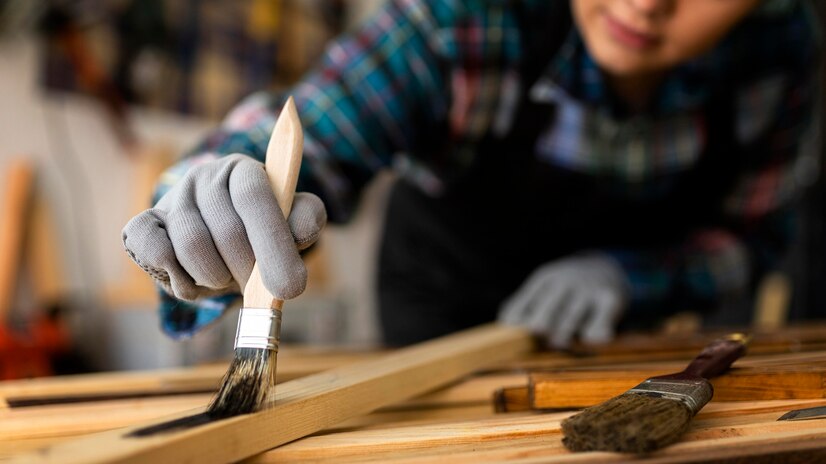
A woodworking shop is more than just a space filled with tools and lumber; it's a sanctuary where creativity meets craftsmanship. One of the essential techniques to master in your woodworking shop is the application of a woodworking wax finish. This simple yet effective method can transform your wooden creations, enhancing their beauty and longevity. In this blog, we’ll explore the benefits of using a woodworking wax finish and provide tips on how to achieve the best results.
The Benefits of a Woodworking Wax Finish
- Natural Beauty: A woodworking wax finish enhances the natural grain and color of the wood, giving it a rich, warm glow that other finishes often cannot achieve. The subtle sheen of wax creates a timeless look that complements both rustic and modern designs.
- Protection: While wax might not offer the same level of protection as varnishes or polyurethane, it provides a solid barrier against dust, moisture, and everyday wear and tear. This makes it an excellent choice for decorative pieces, furniture, and items that don't require heavy-duty protection.
- Ease of Application: Applying a woodworking wax finish is straightforward and forgiving, making it ideal for both beginners and experienced woodworkers. It doesn't require specialized equipment or extensive drying times, and any mistakes can be easily corrected.
- Repairability: One of the standout advantages of a wax finish is its ease of repair. If your piece gets scratched or loses its luster over time, you can simply reapply the wax to the affected area without stripping the entire finish.
Tips for Applying a Woodworking Wax Finish
- Preparation: Start with a well-sanded surface. Ensure that the wood is clean and free of any dust, as this will affect the final finish. Use progressively finer sandpaper to achieve a smooth surface.
- Choosing the Right Wax: There are various types of woodworking wax available, including paste wax, liquid wax, and beeswax. Paste wax is the most common choice for its durability and ease of use. Choose a high-quality wax that complements the color of your wood.
- Application: Using a soft cloth or a wax brush, apply a thin layer of wax to the wood. Work in small sections, using circular motions to ensure even coverage. Allow the wax to sit for a few minutes to penetrate the wood.
- Buffing: Once the wax has set, use a clean, dry cloth to buff the surface. This step is crucial as it helps to bring out the shine and ensures a smooth finish. Buffing can be done by hand or with a mechanical buffer for larger projects.
- Multiple Coats: For added protection and a deeper shine, consider applying multiple coats of wax. Allow each coat to dry and buff before applying the next.
- Maintenance: To maintain the beauty of your wax finish, periodically clean the surface with a soft cloth and reapply wax as needed. This will keep your pieces looking fresh and well-protected for years to come.
Incorporating a woodworking wax finish into your projects can significantly elevate the quality and appearance of your creations. The natural beauty, ease of application, and repairability of wax make it an indispensable technique for any woodworking shop. Whether you're crafting furniture, decorative items, or functional pieces, a well-applied wax finish will enhance and protect your work, ensuring it stands the test of time. So, grab your wax and cloth, and give your woodworking projects the perfect finishing touch they deserve.