Wood is one of the most versatile and beautiful materials used in furniture making, cabinetry, and other woodworking projects. To protect and enhance the natural beauty of wood, choosing the right oil is essential. Natural wood oils not only nourish the wood but also bring out its rich textures and grains, making your wooden pieces stand out. In this guide, we'll explore how to choose the best oil for wood and the benefits of using natural finishes.
Natural wood oils are derived from plant-based ingredients, making them eco-friendly, non-toxic, and safe for use in both indoor and outdoor projects. These oils penetrate deep into the wood, offering superior protection against moisture, stains, and everyday wear while enhancing the natural grain of the wood. Unlike varnishes, which sit on the surface, oils blend with the wood, providing a smooth, durable finish that ages gracefully.
Types of Natural Wood Oils
When selecting the best oil for your wood projects, it's essential to consider your specific needs. Here are a few popular natural wood oils and their benefits:
- Tung OilOne of the most popular choices for woodworkers, tung oil is a natural drying oil that penetrates deeply into the wood, providing a durable, water-resistant finish. It enhances the grain and creates a warm, rich color without forming a glossy layer. Tung oil is often used on high-traffic surfaces like tabletops and flooring.
- Linseed OilLinseed oil, extracted from flax seeds, is another excellent natural wood oil. It’s easy to apply and provides a soft, warm finish that accentuates the wood’s natural characteristics. This oil is commonly used on furniture and cabinets. Boiled linseed oil is a quicker-drying option, making it ideal for faster projects.
- Danish OilDanish oil is a blend of natural oils, often including linseed or tung oil. It provides a smooth, low-sheen finish that offers great protection against water and heat. Danish oil is ideal for enhancing the wood's color and grain while offering moderate durability.
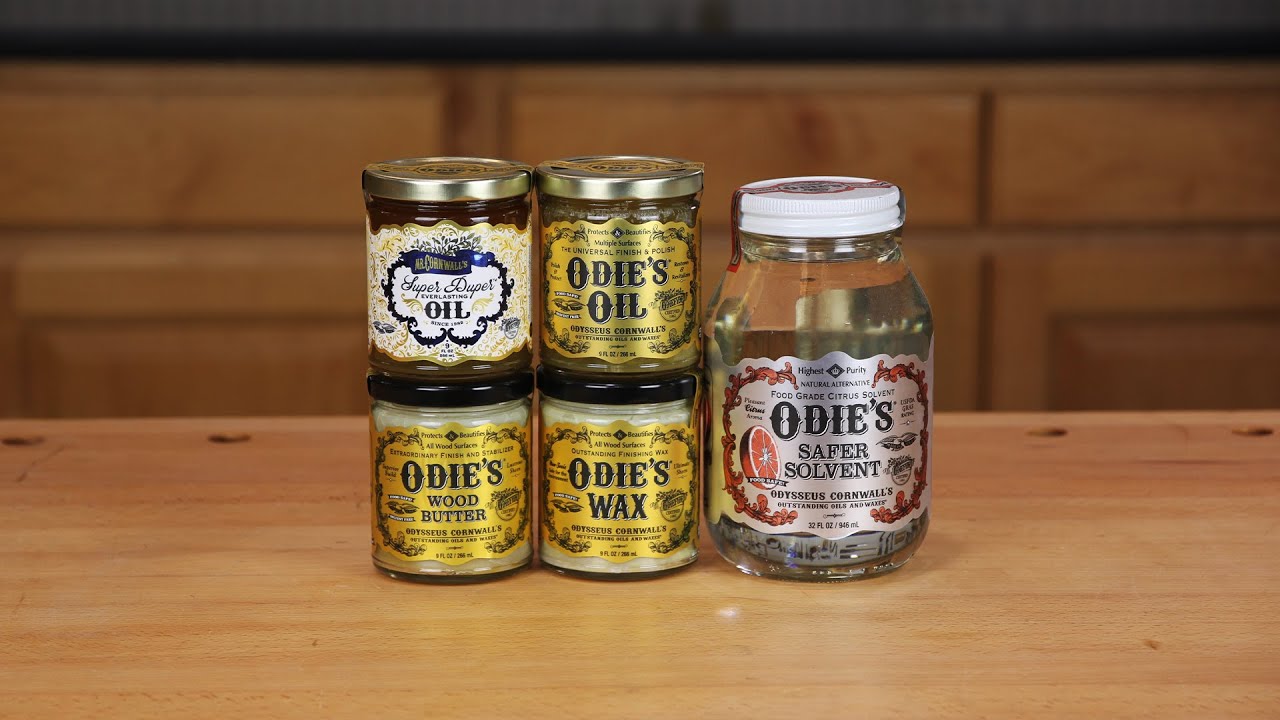
- Odie's OilOdie’s Oil is a natural, food-safe option that works on all types of wood. It's easy to apply and delivers a rich, lustrous finish. This oil is particularly popular for cutting boards, countertops, and other wood surfaces that come into contact with food.
How to Choose the Best Oil for Wood
When selecting the best oil for wood, consider the following factors:
- Type of Wood: Different woods have unique characteristics. Hardwood furniture, like oak and walnut, benefits from tung oil or Danish oil, while softer woods, like pine, may respond well to linseed oil.
- Usage and Durability: If the wood will face heavy use or moisture, choose an oil that offers water resistance, such as tung oil or Odie’s Oil.
- Desired Finish: If you prefer a natural, matte look, Danish oil or tung oil may be your best choice. For a slightly glossy finish, consider boiled linseed oil.
Choosing the right natural wood oil is crucial to maintaining and enhancing your wooden projects. Whether you're working on furniture, cabinetry, or flooring, selecting the best oil for wood will protect your work and bring out the natural beauty of the material. From tung oil’s durability to the food-safe qualities of Odie’s Oil, the perfect natural wood oil is out there to suit your project’s needs.