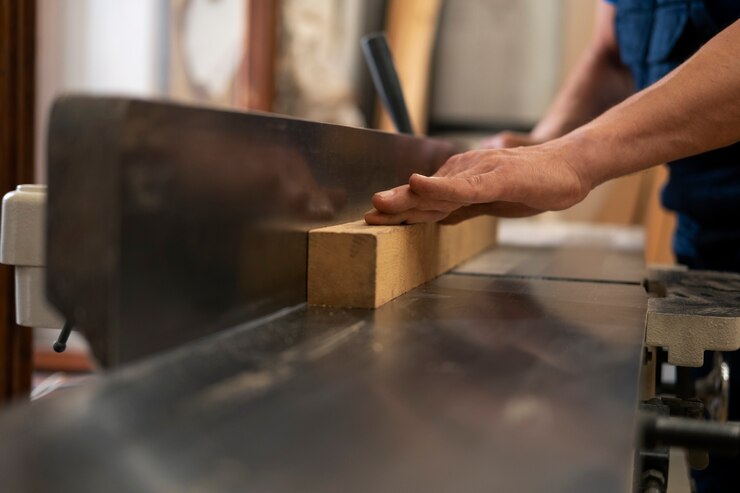
When it comes to woodworking, achieving a professional finish can make a significant difference in the appearance and durability of your projects. The right oil not only enhances the beauty of the wood but also provides protection against wear and tear. This guide will explore some of the best oils for finishing wood and how to choose the right wood oil colours to elevate your craftsmanship.
Why Use Oil for Finishing Wood?
Oil finishes penetrate the wood, providing deep nourishment and enhancing the natural grain and color. Unlike traditional varnishes or lacquers, which sit on the surface, oils soak in, allowing the wood to breathe. This results in a more natural look while offering excellent protection against moisture and UV rays.
Top Oils for Wood Finishing
- Linseed Oil: A popular choice among woodworkers, linseed oil is derived from flax seeds. It dries slowly, allowing ample time for application and working it into the wood. It can enhance the grain and provide a rich, warm tone, making it ideal for oak and walnut. However, it may require multiple coats for optimal protection.
- Tung Oil: Known for its durability, tung oil creates a waterproof finish and is an excellent choice for items that will see heavy use, like tabletops. It dries faster than linseed oil and provides a beautiful, natural matte finish. Tung oil is also available in various wood oil colours, allowing you to customize the appearance.
- Danish Oil: This blend of oils and varnish provides the benefits of both. Danish oil penetrates deeply while leaving a hard protective layer on the surface. It dries relatively quickly and is available in various shades, making it a versatile option for any project.
- Odie’s Oil: A modern favorite, Odie’s Oil combines natural oils and waxes to produce a finish that enhances the wood’s natural beauty while providing protection. It’s non-toxic, making it safe for food-contact surfaces. Odie’s Oil is available in different colours to complement any wood type.
Choosing Wood Oil Colours
When selecting a wood oil, consider the desired final look. Lighter oils will enhance the natural tones of the wood, while darker oils can add depth and richness. Experimenting with samples on scrap wood can help you determine how each oil interacts with the wood grain and the overall effect.
best oil to finish wood Achieving a professional look in your woodworking projects is all about the details. The best oils for finishing wood will not only protect your work but also enhance its natural beauty. Whether you prefer the classic look of linseed oil or the durability of tung oil, there’s a perfect option for every project. By carefully choosing the right oil and considering the various wood oil colours available, you can elevate your woodworking skills and create stunning, long-lasting pieces. Happy finishing!