Maintaining a balanced diet is an important part of a healthy lifestyle. While fresh fruits, vegetables, whole grains, and other nutritious foods play essential roles, nuts and dried fruits can also be valuable additions to everyday meals. They are convenient, versatile, and easy to include in breakfast, snacks, and homemade recipes. However, choosing the right products is important to enjoy their flavour, quality, and nutritional benefits.
Premium dry fruits are a popular choice for people who value freshness, taste, and quality. From almonds and cashews to walnuts and dried fruits, there are plenty of options to suit different preferences and dietary needs. Understanding how to select, store, and consume these products can help you make better choices for your daily nutrition.
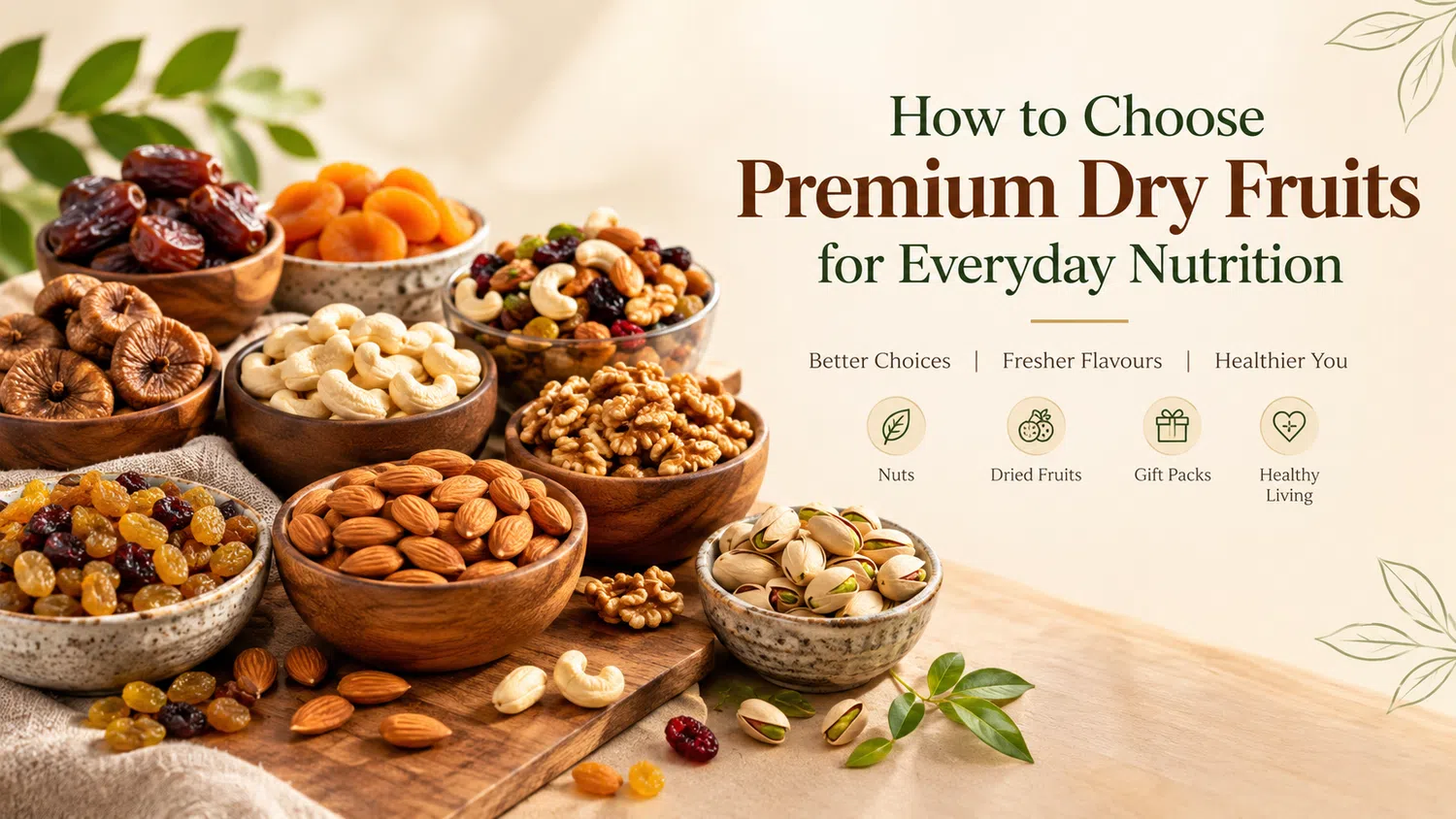
Understand What Makes Premium Dry Fruits Different
Not all dry fruits offer the same quality. Factors such as freshness, processing methods, storage conditions, appearance, and packaging can influence the overall product experience.
When shopping for premium dry fruits, look for products that are properly packed, free from visible moisture, and suitable for consumption. Nuts should generally have their characteristic aroma without any unusual or rancid smell. Dried fruits should have a natural appearance and a texture appropriate to their variety.
Reliable packaging is another important consideration. Airtight packaging can help protect dry fruits from moisture, air exposure, and contamination. Checking the ingredient list, expiry date, and storage instructions is also helpful.
Choosing premium-quality products is not simply about appearance. It also means paying attention to freshness, handling, and the information provided by the seller.
Choose a Mix Dry Fruits Combination for Variety
Including different nuts and dried fruits in your diet can make everyday snacking more interesting. A mix dry fruits combination may contain almonds, cashews, walnuts, raisins, pistachios, and other varieties, depending on the product.
Each ingredient contributes a different flavour, texture, and nutritional profile. Almonds provide healthy unsaturated fats, fibre, and vitamin E. Cashews offer unsaturated fats and minerals such as copper and magnesium. Walnuts are known for their plant-based omega-3 fatty acid, alpha-linolenic acid (ALA). Raisins provide carbohydrates and naturally occurring sugars.
A mixed combination can be enjoyed between meals, added to breakfast bowls, or used as a topping for porridge and yoghurt. You can also prepare your own mixture at home to suit your preferences.
For everyday snacking, pay attention to portion sizes. Nuts are energy-dense, so a small handful is often a practical starting point. If you choose a packaged mixture, check whether it contains added sugar, salt, oil, or flavourings.
Look for the Premium Almond Quality
Almonds are among the most widely consumed nuts because they are easy to incorporate into different meals. A premium almond selection should meet your expectations for freshness, flavour, size, and overall quality.
When buying almonds, look for clean, intact nuts without signs of insect damage, excessive breakage, or unusual discolouration. Their aroma should be mild and characteristic rather than stale or bitter.
Almonds provide vitamin E, fibre, protein, and unsaturated fats. These nutrients make them a useful addition to a balanced eating pattern. You can eat them as a snack, soak them if you prefer that texture, or add chopped almonds to salads, smoothies, desserts, and breakfast cereals.
However, soaking almonds is a matter of personal preference rather than a requirement for everyone. Whole almonds can also be enjoyed directly.
Choose packaging that protects the nuts from moisture and excessive exposure to air. Buying from a seller who provides clear product details and storage guidance can make it easier to assess quality.
Consider Organic Almonds When Buying Nuts
Some consumers prefer organic almonds because they want products grown under certified organic farming standards. Organic certification generally relates to specific agricultural practices and restrictions on certain inputs, depending on the certification system.
When selecting organic almonds, check the packaging for a recognised certification relevant to your country. Do not assume that a product is certified organic simply because its label uses words such as “natural” or “pure.”
Organic almonds can provide many of the same nutrients as conventional almonds. Choosing between the two depends on your preferences, budget, availability, and confidence in the product's sourcing.
Regardless of the farming method, freshness and proper storage remain important. Keep almonds in a cool, dry place in an airtight container. If you buy a large quantity or live in a warm climate, refrigeration can help maintain quality for longer.
Find the Best Cashews for Your Needs
Cashews are popular for their creamy texture and mildly sweet flavour. They are commonly used in Indian curries, sweets, gravies, snacks, and baked goods. Finding the best cashews depends on how you plan to use them.
For direct snacking, many people prefer whole cashews with a consistent appearance and a fresh, pleasant flavour. For cooking, broken cashew pieces may be a more economical choice because they can be blended into gravies or chopped into recipes.
Cashews contain protein, unsaturated fats, copper, magnesium, and other nutrients. They can contribute to a varied diet when consumed in appropriate portions.
When purchasing cashews, inspect the packaging and look for signs of damage or moisture. Avoid products with a rancid smell or unusual taste. If you prefer a healthier everyday snack, consider plain or dry-roasted cashews without excessive added salt, sugar, or oil.
The best option is one that meets your intended use while providing reliable quality and good value.
Explore Organic Cashews and Their Quality
Organic cashews may appeal to consumers who prefer nuts produced under certified organic farming standards. As with organic almonds, it is worth checking the certification and reading the label carefully before purchasing.
Organic status alone does not guarantee that cashews are fresher, more nutritious, or better tasting than conventional alternatives. Processing, transportation, packaging, and storage can all influence the quality of the final product.
When comparing options, consider the ingredient list, origin information where available, packaging quality, and best-before date. Choose plain varieties if you want greater control over the amount of salt, sugar, and other ingredients in your diet.
Cashews can be added to vegetable dishes, rice preparations, homemade trail mixes, and desserts. They can also be blended into creamy sauces as an alternative to some dairy-based ingredients.
As with other nuts, people with cashew allergies should avoid them and check product labels for potential cross-contact warnings.
Add Walnuts to Your Everyday Diet
Walnuts are recognised for their distinctive flavour and nutrient composition. They contain unsaturated fats, fibre, and alpha-linolenic acid, a plant-based omega-3 fatty acid.
When buying a walnut with shell, inspect the shells for cracks, holes, or signs of moisture damage. Choose nuts that appear intact and have been stored in clean, dry conditions. The shell can provide a protective barrier, but it does not guarantee freshness or rule out internal spoilage.
If possible, purchase from a seller who provides information about sourcing and storage. After cracking the shell, examine the kernel and smell it before eating. Discard walnuts that taste bitter in an unusual way, smell rancid, or show signs of mould.
Walnuts can be enjoyed on their own or added to salads, oatmeal, yoghurt, baked goods, and homemade snack mixes. Their rich flavour pairs well with raisins, dates, and other dried fruits.
Store walnuts away from heat, humidity, and direct sunlight. Refrigeration or freezing is particularly useful for keeping larger quantities fresh for longer.
How to Choose the Best Dried Fruit
Nuts are only one part of the dry fruits category. Dried fruits such as dates, raisins, apricots, figs, and prunes offer different flavours and textures, making them useful ingredients for meals and snacks.
When searching for the best dried fruit, consider the variety, freshness, ingredient list, and intended use. Some dried fruits contain only the fruit itself, while others may have added sugar, oils, preservatives, or other ingredients.
Read the label to understand what you are buying. If you want to limit added sugar, look for unsweetened options where available. Remember that dried fruits naturally contain concentrated sugars because much of their water has been removed.
Dried fruits also provide varying amounts of fibre and micronutrients. They can be added to porridge, cereal, yoghurt, salads, and homemade energy bites.
Since dried fruits are concentrated sources of energy, sensible portions are important. Pairing them with nuts can create a more varied snack, combining the carbohydrates of dried fruit with the fats, fibre, and protein found in nuts.
Check Packaging, Freshness, and Storage
Even high-quality dry fruits can lose their appeal if they are stored incorrectly. Exposure to heat, air, moisture, and sunlight can affect their flavour and texture over time.
Before buying, check the following:
Packaging: Choose sealed, food-safe packaging that protects the contents.
Freshness: Review the packing date, best-before date, and any available batch details.
Ingredients: Check for added sugars, salt, oils, preservatives, and allergens.
Appearance: Look for products free from visible mould, insect damage, and excessive moisture.
Storage guidance: Follow the manufacturer's instructions after opening.
Once opened, transfer products into clean, airtight containers when appropriate. Keep them in a cool, dry location and refrigerate products when recommended, particularly in warm or humid conditions.
Avoid mixing newly purchased dry fruits with older leftovers unless you have checked that the older products are still fresh.
Choose a Dry Fruits Gift Pack for Special Occasions
Dry fruits are not just everyday snacks; they are also popular gifts for festivals, weddings, birthdays, anniversaries, and corporate celebrations. A thoughtfully selected dry fruits gift pack combines practicality with an attractive presentation.
When choosing a gift pack, consider the recipient's preferences, the occasion, and the product selection. A combination of almonds, cashews, walnuts, pistachios, and dried fruits can offer variety, while individually packed portions may be convenient for sharing.
Pay attention to packaging quality, freshness, ingredient information, and presentation. For recipients with dietary restrictions or allergies, verify the ingredients and any cross-contact warnings before gifting.
Premium gift boxes can also make festive celebrations feel more special without relying exclusively on sweets. They are suitable for family gatherings, employee appreciation, client gifts, and seasonal gifting.
Whether you are buying for personal use or as a present, select a product that balances quality, taste, convenience, and value.
Conclusion
Choosing the right dry fruits involves more than comparing prices or selecting attractive packaging. By considering freshness, ingredients, storage, product quality, and portion sizes, you can find options that fit your everyday routine and personal preferences.
From a nutritious mix dry fruits combination to premium almond varieties, organic almonds, the best cashews, organic cashews, walnuts with shell, and the best dried fruit selections, each product offers its own flavour and uses. Thoughtfully chosen premium dry fruits can also make meaningful gifts for festivals and special occasions.
For those looking for quality dry fruits for everyday enjoyment and gifting, Occasions Dry Fruit offers a destination to explore a variety of dry fruit options for different needs. Whether you are building your daily snack collection or selecting a dry fruits gift pack for someone special, choosing carefully can help make every occasion more memorable.