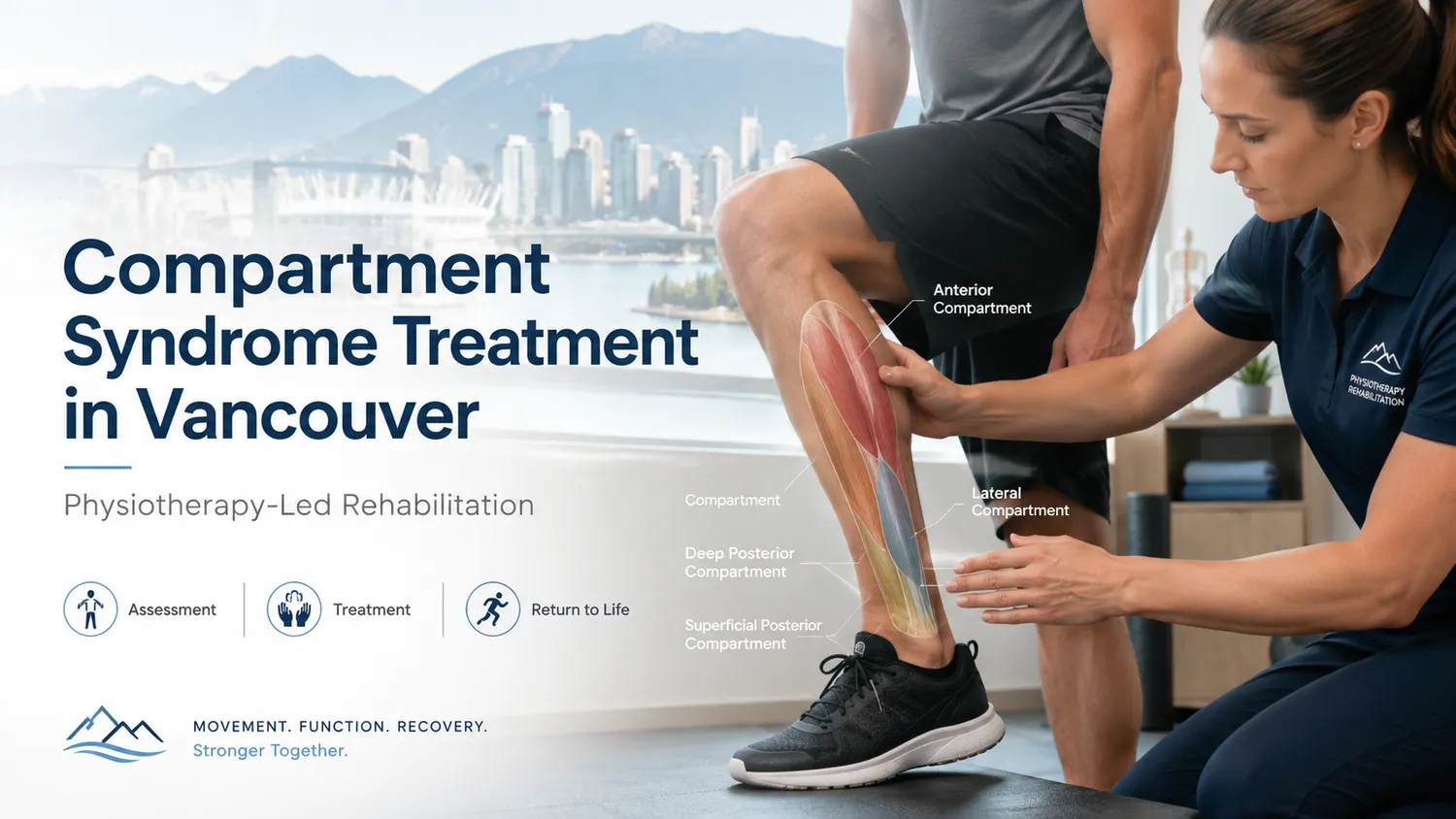
Pain, injury and reduced mobility can affect far more than one part of the body. They can make work more difficult, interrupt exercise, reduce confidence and change the way a person approaches everyday movement.
Physiotherapy can help people understand these changes and work towards restoring function through a structured, individual rehabilitation plan.
Although physiotherapy is commonly associated with injury treatment, it can also support people dealing with weakness, restricted movement, balance difficulties, persistent musculoskeletal symptoms and reduced physical capacity.
The focus is not simply on where discomfort is located. It is on how the problem affects the person’s daily life and what needs to improve for them to move forward.
Physiotherapy Begins With Assessment
A physiotherapy programme should begin with an assessment rather than a standard set of exercises.
The physiotherapist may ask about:
- The history of the symptoms
- Activities that aggravate or relieve them
- Previous injuries or treatment
- Work and lifestyle demands
- Exercise and sporting activities
- Current physical limitations
- The person’s goals for recovery
The physical assessment may then examine areas such as strength, mobility, balance, coordination and movement control.
This process helps identify which factors may be contributing to the person’s difficulties and which aspects of rehabilitation should be prioritised.
The World Health Organization describes rehabilitation as a group of interventions intended to optimise functioning and reduce disability in people with health conditions. Physiotherapy is one of the healthcare disciplines that can contribute to this process.
Why Individual Goals Matter
Rehabilitation is most useful when it is connected to meaningful activities.
For one person, the goal may be returning to work without discomfort. For another, it may be walking longer distances, lifting a child, returning to the gym or taking part in sport again.
These goals influence the treatment plan.
Someone who needs to return to a physically demanding job may require progressive lifting and carrying exercises. A runner may need to rebuild lower-limb strength and tolerance to repeated impact. A person recovering from a neurological condition may focus more on balance, coordination and safe movement.
The diagnosis may help guide care, but the person’s actual needs determine how rehabilitation should be applied.
Exercise as Part of Physiotherapy
Therapeutic exercise is often central to physiotherapy.
Depending on the assessment, exercises may be used to improve:
- Strength
- Mobility
- Balance
- Coordination
- Endurance
- Movement control
- Confidence with activity
- Tolerance to work or sport
The exercises should be matched to the person’s current level.
A programme that is too difficult may aggravate symptoms or reduce confidence. One that is too easy may not provide enough challenge to create meaningful progress.
Physiotherapists can adjust the difficulty by changing the resistance, range of movement, speed, duration or complexity of an exercise.
As recovery develops, the programme may become more specific to the activities the person wants to resume.
Manual Therapy and Hands-On Care
Manual therapy may also be included when clinically appropriate.
This may involve joint mobilisation, guided stretching, soft-tissue techniques or other hands-on approaches. These methods may help manage symptoms or make certain movements easier during part of the rehabilitation process.
However, manual therapy is generally one component of care rather than the entire plan.
Progress often depends on combining hands-on treatment with exercise, education and gradual exposure to normal physical demands.
The balance between these elements can change. Earlier appointments may place more emphasis on symptom management, while later sessions may focus more heavily on strengthening, movement confidence and independent self-management.
Physiotherapy for Sports Injuries
Sports injuries can happen to competitive athletes, recreational participants and people beginning a new activity.
Common examples include muscle strains, joint sprains, tendon-related pain and overuse problems.
Returning to sport requires more than waiting for symptoms to disappear. The person also needs to regain the physical capacity required by the activity.
Rehabilitation may therefore include:
- Strength exercises
- Mobility work
- Balance training
- Jumping or running progressions
- Changes of direction
- Sport-specific drills
- Guidance on training volume
The final stages should prepare the person for the actual demands of the sport rather than only for basic movements in the clinic.
Workplace Injury Rehabilitation
A workplace injury can interfere with both professional and personal responsibilities.
The rehabilitation plan may need to reflect tasks such as prolonged sitting, standing, lifting, repetitive movement or working overhead.
Physiotherapy may support a gradual return to these activities by rebuilding strength, endurance and movement tolerance.
Temporary modifications may also be useful while capacity is being restored.
For example, a person may initially return with reduced lifting demands or shorter periods of a particular task, then progress as function improves.
Rehabilitation After a Motor Vehicle Accident
Motor vehicle accidents can lead to pain, stiffness, weakness and difficulty returning to ordinary routines.
The symptoms and recovery time can vary significantly between individuals.
Physiotherapy may include:
- Mobility exercises
- Progressive strengthening
- Manual therapy
- Education
- Balance or coordination work
- Home exercises
- Gradual return to normal activities
In British Columbia, people receiving treatment after a motor vehicle accident may also need a clinic familiar with the ICBC rehabilitation process.
This can help with treatment planning and the documentation associated with the claim.
Neurological, Vestibular and Balance Rehabilitation
Physiotherapists may also work with people experiencing neurological or balance-related difficulties.
Treatment may focus on improving:
- Walking
- Balance
- Coordination
- Strength
- Movement control
- Tolerance to motion
- Confidence during everyday activity
The goals are often highly individual.
For one person, progress may mean walking safely outside. For another, it may involve managing stairs, returning to work or performing household activities with greater independence.
Small functional improvements can make a meaningful difference to daily life.
Education Helps Build Independence
Physiotherapy is not limited to what happens during appointments.
Patients may also receive guidance about how to manage activity between visits.
This can include advice on:
- Performing exercises correctly
- Increasing activity gradually
- Modifying aggravating tasks
- Responding to temporary symptom changes
- Monitoring the body’s response to exercise
- Recognising when reassessment is appropriate
A realistic home programme is often more useful than a long list of exercises that is difficult to follow.
Consistency matters. A few relevant exercises completed regularly may contribute more to progress than a complicated routine performed only occasionally.
World Physiotherapy highlights the role of physiotherapists in assessing rehabilitation needs, setting goals, providing interventions and evaluating outcomes.
This ongoing review allows the treatment plan to evolve as the patient’s abilities and needs change.
Choosing a Physiotherapy Clinic
A good physiotherapy provider should take time to understand the person’s condition, goals and daily demands.
It may be helpful to choose a clinic that:
- Conducts an individual assessment
- Explains findings clearly
- Provides a personalised plan
- Connects exercises to meaningful goals
- Reviews progress regularly
- Encourages self-management
- Adjusts treatment when needed
- Refers to other professionals when appropriate
A multidisciplinary setting can also be helpful when care from more than one regulated health discipline may be beneficial.
Physiotherapy in Vancouver
People seeking physiotherapy in Vancouver can access individual assessment and rehabilitation at Northwest Rehab Group in Mount Pleasant.
The clinic works with people recovering from sports injuries, workplace injuries, motor vehicle accidents and neurological conditions, as well as those experiencing pain, weakness, mobility restrictions or balance difficulties.
Depending on the assessment, care may include:
- Therapeutic exercise
- Strength and mobility training
- Balance work
- Movement education
- Manual therapy
- Home rehabilitation strategies
- Gradual return-to-activity planning
Northwest Rehab Group provides several regulated healthcare services in one clinic, allowing collaborative care to be considered when appropriate.
The physiotherapy plan is based on the person’s presentation and goals rather than a fixed treatment formula.
Looking Beyond Pain Reduction
Pain is one way to measure recovery, but it is not the only one.
Progress may also mean:
- Walking further
- Moving with more confidence
- Returning to work
- Resuming exercise
- Sleeping more comfortably
- Regaining strength
- Improving balance
- Managing symptoms more independently
- Feeling less restricted during daily activities
Recovery can take time and may not follow a perfectly straight path.
A personalised physiotherapy programme can provide structure, appropriate progression and practical support throughout that process.
To learn more about available treatment and rehabilitation options, visit the Northwest Rehab Group physiotherapy page.