Recovering from pain or injury is rarely about finding one single treatment. Musculoskeletal conditions can be influenced by strength, mobility, workload, previous injuries, daily habits and the physical demands placed on the body.
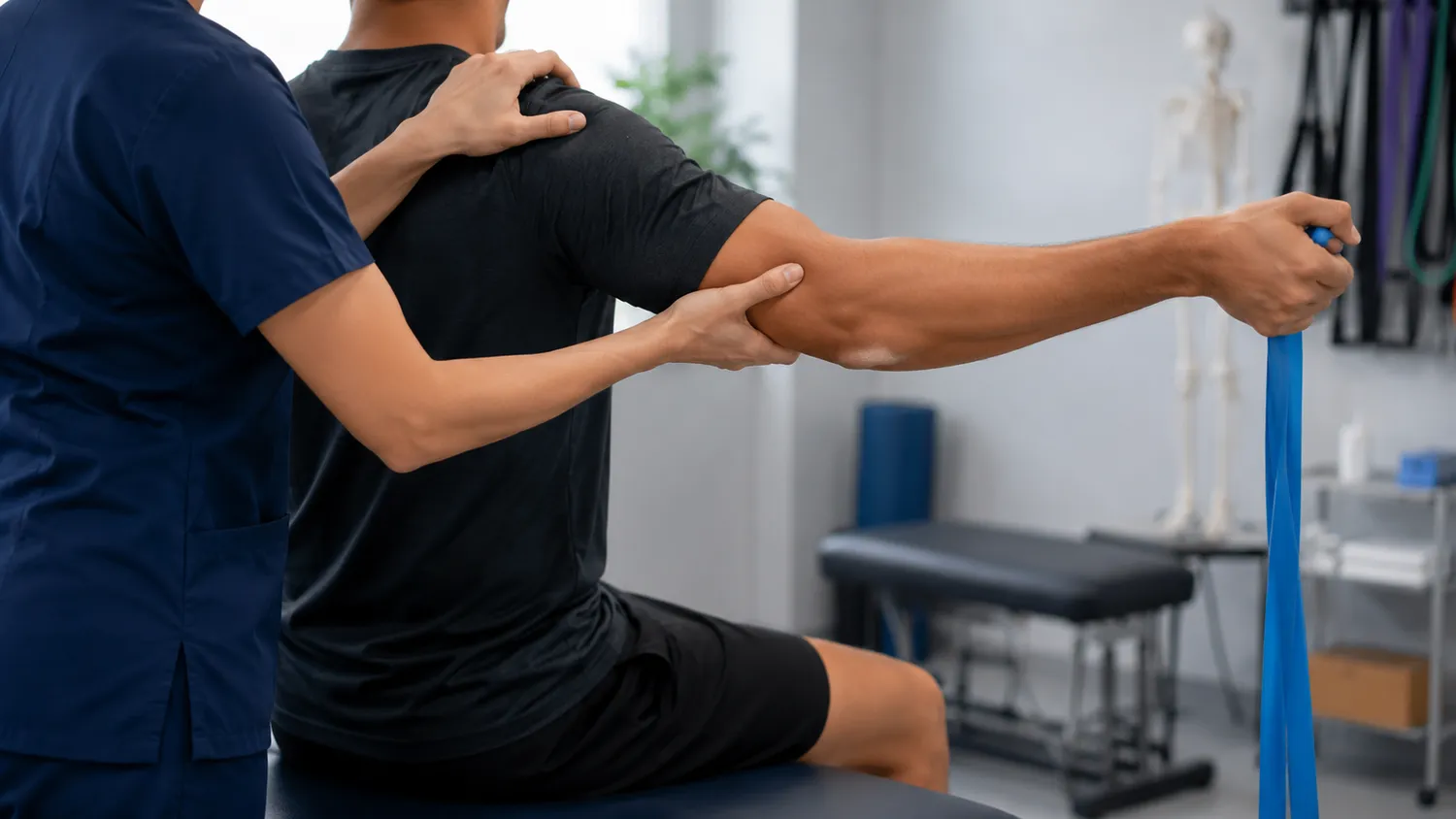
For many people, the most effective approach is a personalized rehabilitation plan that combines hands-on care, movement-based treatment and practical guidance for returning to normal activity.
Why an Individual Assessment Matters
Two people may experience pain in the same area but require very different treatment plans.
For example, knee pain in one person may be associated with a recent sports injury, while another person may experience similar symptoms because of gradually increasing their running volume. The location of the pain alone does not always explain why the problem developed.
A clinical assessment may consider:
- How and when the symptoms began
- Movements or activities that aggravate the problem
- Previous injuries and relevant health history
- Joint mobility and muscle function
- Strength, balance and movement control
- Work, exercise and lifestyle demands
The purpose is not only to identify the painful area, but also to understand the factors that may be contributing to the person’s symptoms.
The Role of Manual Therapy
Manual therapy is one component that may be included within a broader rehabilitation plan. Depending on the person’s needs, it may involve soft-tissue techniques, joint mobilizations, stretching, assisted movement or chiropractic adjustments.
Not every patient requires the same form of manual therapy, and adjustments are not automatically included in every appointment. Treatment should be selected according to the patient’s assessment, preferences, clinical needs and informed consent.
Manual therapy may be used to help manage symptoms or make movement more comfortable, but it is commonly combined with exercise and active rehabilitation rather than treated as a complete solution by itself.
Building Strength and Confidence Through Exercise
Exercise-based rehabilitation can help people gradually rebuild their capacity for work, sport and everyday movement.
A rehabilitation programme may include:
- Mobility exercises
- Progressive strengthening
- Balance and coordination work
- Functional movement exercises
- Gradual exposure to previously painful activities
- Advice on modifying training or workplace demands
The exercises should be realistic and appropriate for the patient’s current ability. An overly complicated programme can be difficult to maintain, while exercises that are too easy may not provide enough stimulus to support progress.
The programme can therefore be adjusted over time as symptoms, strength and confidence change.
A Multidisciplinary Model of Care
Some patients benefit from access to more than one healthcare discipline, particularly when their needs extend beyond a single type of treatment.
A multidisciplinary rehabilitation clinic may provide services such as:
- Physiotherapy
- Chiropractic care
- Registered massage therapy
- Acupuncture
- Naturopathic medicine
- Custom orthotics
- Concussion rehabilitation
- Neurological rehabilitation
- Prenatal and postnatal care
Collaboration can be useful when each practitioner has a clearly defined role and care is coordinated around the patient’s goals. Northwest Rehab Group is a multidisciplinary clinic in Mount Pleasant, Vancouver, offering individualized rehabilitation and manual therapy services.
Rehabilitation Should Be Goal-Oriented
The goal of care is not necessarily to eliminate every temporary sensation before a person returns to activity. In many cases, rehabilitation involves gradually improving tolerance, function and confidence.
Patient goals may include:
- Walking without significant discomfort
- Returning to work
- Resuming gym training
- Cycling or running again
- Lifting or carrying safely
- Managing a recurring condition more independently
- Returning to sport after injury
Establishing practical goals can make it easier to measure progress and determine whether the current treatment plan remains appropriate.
Supporting Long-Term Self-Management
Long-term improvement should not depend entirely on attending appointments indefinitely. Patients can often benefit from understanding how to manage flare-ups, modify activity and continue appropriate exercises independently.
Northwest Rehab Group generally takes a situation-based approach rather than routinely promoting maintenance visits on a fixed weekly or monthly schedule. The emphasis is placed on self-care, exercise and helping patients remain strong between appointments.
This approach may include advice on:
- Managing temporary symptom flare-ups
- Increasing activity gradually
- Recognizing when workload has changed too quickly
- Maintaining strength and mobility
- Knowing when reassessment may be appropriate
Knowing When Referral Is Needed
Musculoskeletal practitioners should also recognize when symptoms require assessment from another healthcare provider.
Referral or additional investigation may be appropriate when symptoms are unusual, worsening, associated with significant trauma or outside the practitioner’s professional scope. Collaborative care includes understanding professional limitations and directing patients to appropriate services when necessary.
British Columbia’s chiropractic professional standards also emphasize informed consent, appropriate examination, evidence-supported claims and referral when care falls outside chiropractic scope.
Rehabilitation in Mount Pleasant, Vancouver
Northwest Rehab Group provides multidisciplinary care from its clinic at 2830 Main Street, Vancouver, BC. Appointments can be booked online through the clinic’s booking platform.
A well-designed rehabilitation plan should reflect the individual—not simply the name of the injury. By combining appropriate hands-on treatment, progressive exercise, education and collaboration where needed, patients can work toward meaningful improvements in movement and everyday function.