Over the past few years, consumers’ growing commitment to ethical eating and intentional enjoyment has redefined how chocolate is made and consumed. In an era of shifting attitudes and consumer tastes, vegan dark chocolate is also a standout that caters to those who appreciate plant-based nutrition but still crave deliciousness. Without dairy or any animal-derived ingredients in sight, this is chocolate in its purest form as the cocoa powders, natural fats, and selected sweeteners combine to give you an intense experience that tastes better than ever.
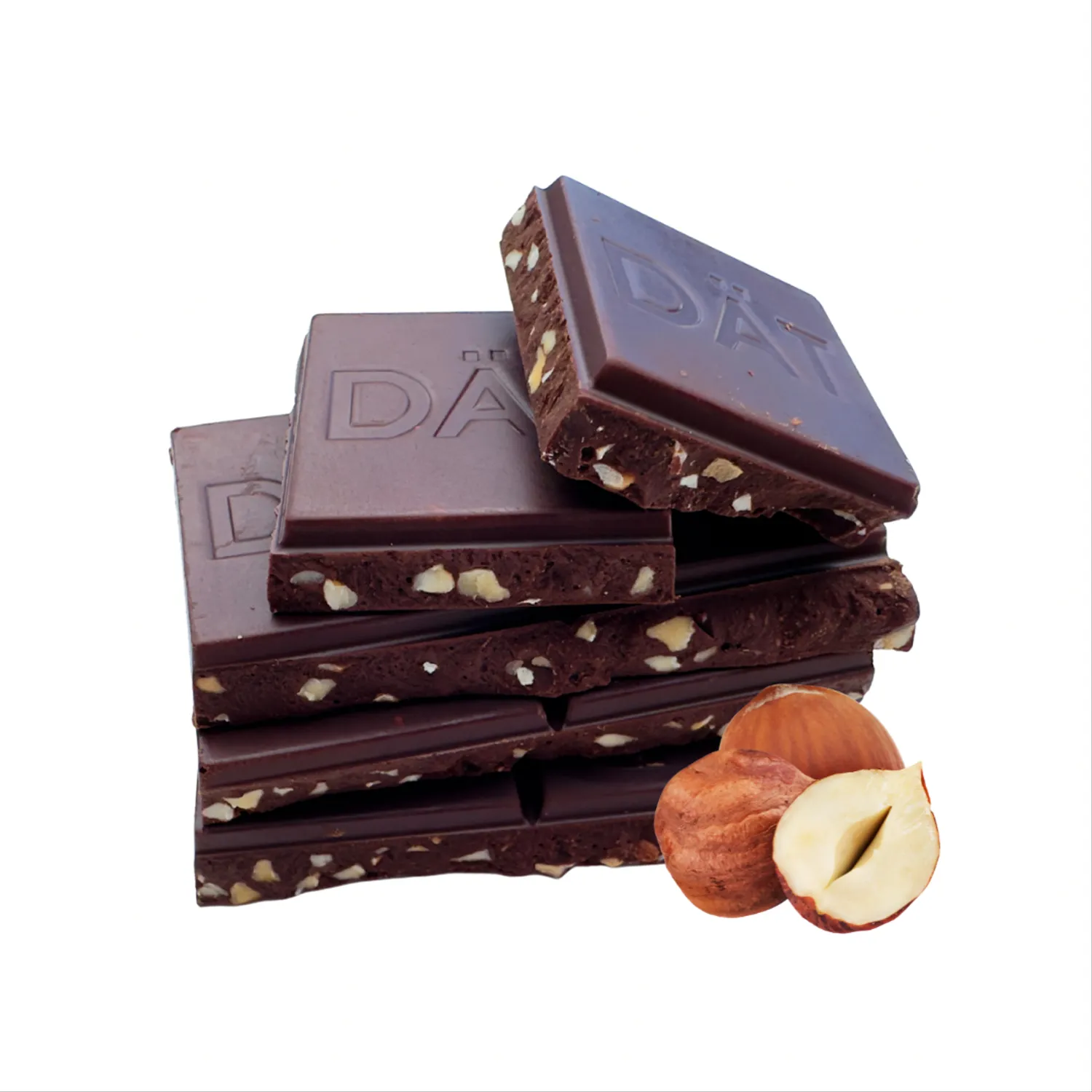
Vegan dark chocolate is, by definition, made with a higher percentage of cocoa solids; it's those cocoa solids that give it its bitter kick. Cocoa beans are rich in antioxidants, including flavonoids, which have been shown to support heart health and reduce oxidative stress. Dark chocolate versions that are entirely free of animal products can also help to increase blood flow and boost cognitive function, so they’re more than just a treat when had in moderate quantities.
Another defining trait is ingredient transparency. Conventional chocolates may contain such ingredients as dried milk powders, butterfat, or emulsifiers of animal origin. Vegan dark chocolate instead uses substitutes such as cocoa butter, coconut sugar, or an emulsifier derived from oats. These switches aren’t just friendly in the vegan sense but for those who are lactose-intolerant or milk-sensitive, as well. The ultimate effect is a milder digestion process that retains flavor and texture.
Sustainability is another factor driving its rising prevalence. Many producers pay close attention to ethically sourced cocoa, fair trade farming practices, and environmentally friendly packaging. Opting for vegan dark chocolate often aligns with supporting farming communities and reducing our dependence on animal agriculture. This ethic also provides an additional level of satisfaction for those consumers who are conscious about their purchases.
Flavor innovation has broadened its appeal even further. In addition to traditional cocoa essences, chocolatiers now play with inclusions such as sea salt, chili, orange peel, and berries. These add-ins offset cocoa's natural bitterness, resulting in complex flavors that rival those of original gourmet chocolates. The uses for vegan dark chocolate are endless, from munching on it straight to baking or even using it in plant-based desserts.
Nutritionally, it tends to have less saturated fat than other milk alternatives. When you’re choosing vegan dark chocolate for everyday snacking or indulgent desserts, pay attention to the percentage of cocoa and sugar used so that you have a healthy choice. More cocoa is generally healthier, since it means more nutrients and less sweetness.
In the end, vegan dark chocolate is a conscientious shift in confectionery. It is a mixture of moral obligation, nutrients, and rich taste all rolled into one. As demand for plant-based options increases, this proves that even a decadent treat can be deliciously made without animal products, with ingredients you are proud to choose.
Scott Jordon is the author of this article. To know more about Organic Dark Chocolate, please visit our website: nutsola.com.